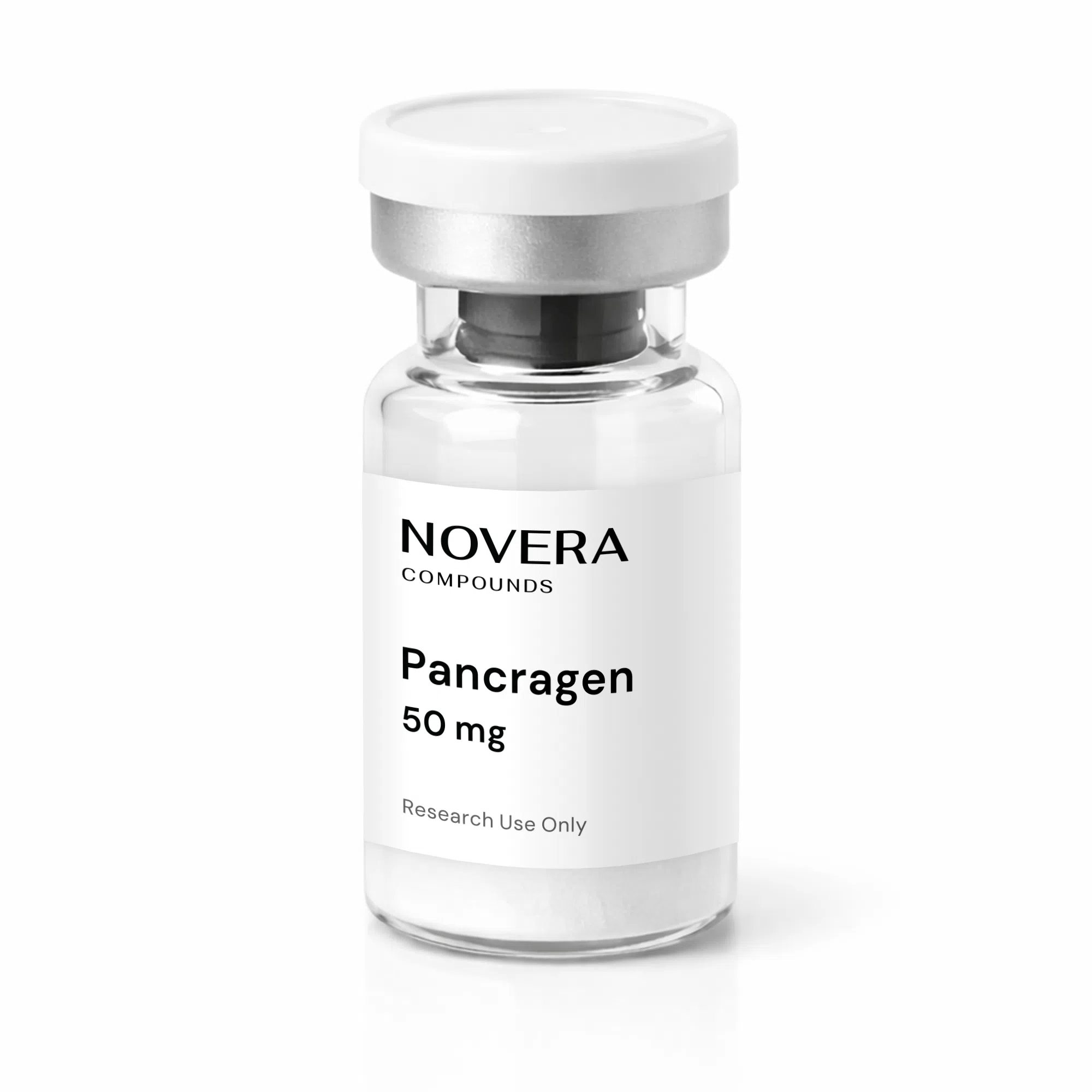
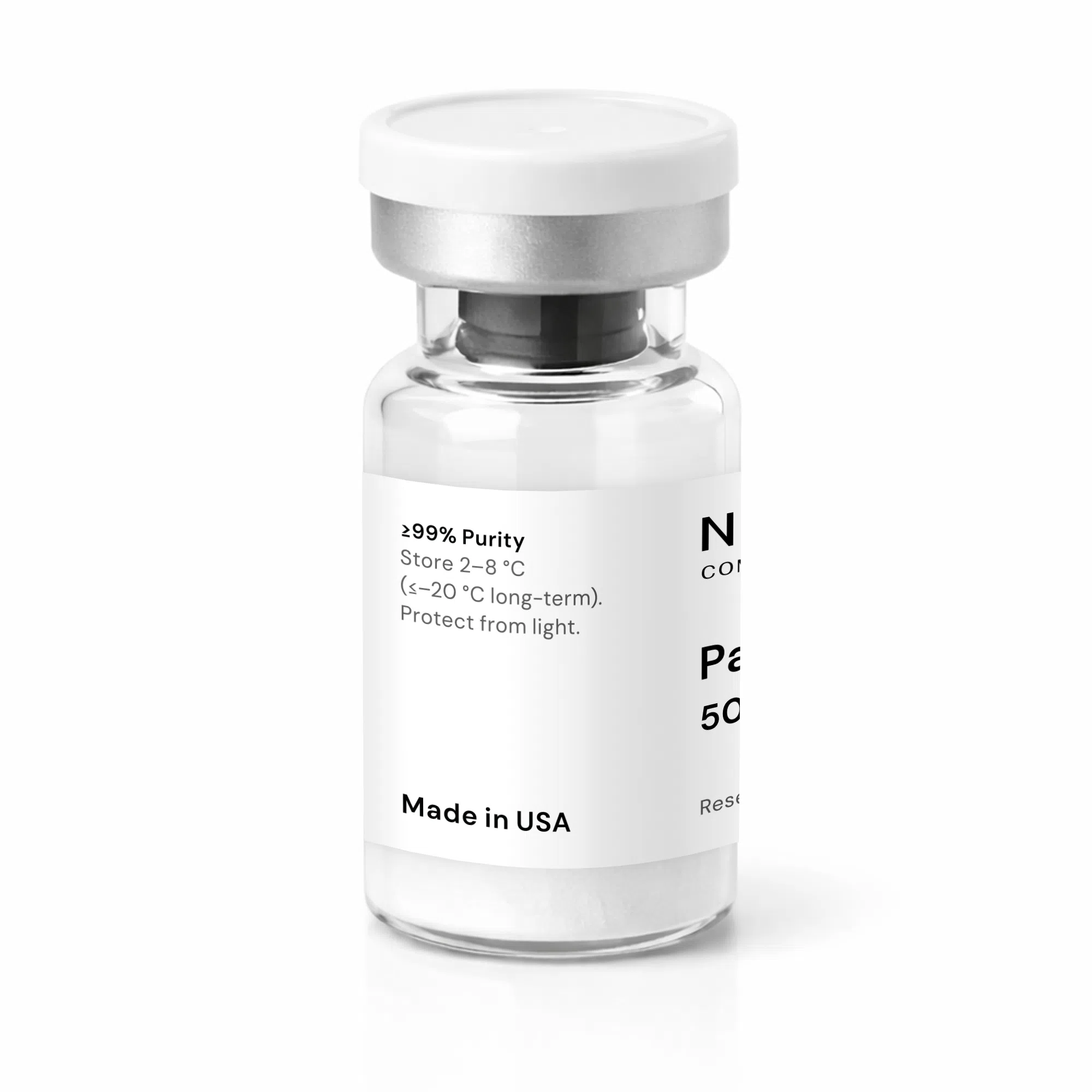
NAD+ 500mg
Strength: 500mg
CAS: 53-84-9
Chemical Formula: C₂₁H₂₇N₇O₁₄P₂
Molecular weight: 663.43 g/mol
Synonyms: Nicotinamide adenine dinucleotide, nmn, nad
Storage: Store 2–8 °C (≤–20 °C long-term). RT exposure during transport acceptable. Protect from light.
Shelf life: 24 months from the manufacturing date.
NAD+ (nicotinamide adenine dinucleotide) is a naturally occurring cellular coenzyme used in redox reactions and as a required cofactor for multiple NAD+ dependent enzymes in metabolism and signaling research. Research suggests that NAD+ availability can influence mitochondrial energy metabolism, redox balance, and NAD+ consuming pathways (for example, sirtuins and PARPs) in controlled experimental systems.


Why Choose Medica Depot
Shop hundreds of medical products with no minimums and free shipping on large orders.
 400+ products
 No order minimums
 Free shipping
 Loyalty rewards
 Trusted since 2007
 Account manager
 Verified LOT numbers
INFORMATION
What is NAD+?
Nicotinamide adenine dinucleotide (NAD+) is a naturally occurring coenzyme found in all living cells. Although it is not a peptide, NAD+ plays a central role in cellular energy metabolism and maintenance processes, making it widely studied in laboratory research. NAD+ is also involved in essential biochemical reactions that support mitochondrial activity, maintain redox balance, and regulate enzymatic signaling.
This product is supplied strictly for laboratory research use only.
Product Specifications
- CAS Number: 53-84-9
- Chemical Formula: C₂₁H₂₇N₇O₁₄P₂
- Molecular weight: 663.43 g/mol
- Strength: 500mg
- Synonyms: Nicotinamide adenine dinucleotide, NAD
- Purity: ≥98%
- Storage Conditions: Store at -20°C, avoid light exposure
- Designation: For Laboratory Research Use Only
Key Characteristics of NAD+
- High purity level (≥98%) suitable for controlled experimental use.
- Essential coenzyme involved in cellular energy transfer and enzymatic reactions.
- Frequently studied in metabolism and mitochondrial research models.
- Protect from light and moisture; store at −20°C as specified.
- Supplied in research-grade format for in vitro and preclinical applications.
- Not intended for human or veterinary use.
How NAD+ Supports Research
NAD+ plays a central role in cellular energy production and enzymatic signaling pathways. In laboratory research, it is used to study mitochondrial function, redox balance, and cellular stress responses.
It is also examined in models focused on cellular processes, DNA repair activity, and metabolic regulation. Researchers use NAD+ to better understand how cells maintain energy balance and respond to internal and external stressors under controlled conditions.
Research Applications & Usage Information
NAD+ is commonly used in laboratory research for:
- Studies of mitochondrial bioenergetics.
- Research on oxidative stress and redox balance.
- DNA repair pathway investigations.
- Sirtuin and PARP-related enzymatic activity studies.
- Metabolic regulation models.
- In vitro experiments analyzing coenzyme-dependent reactions.
NAD+ is incorporated into laboratory protocols designed to examine fundamental cellular processes rather than clinical or therapeutic applications.
Handling and Storage Recommendations
- Store at −20°C immediately upon receipt.
- Protect from light exposure.
- Keep the container tightly sealed when not in use.
- Minimize repeated freeze-thaw cycles.
- Allow the material to reach room temperature before opening to reduce moisture exposure.
- Follow institutional laboratory safety guidelines during handling.
Proper storage and handling help maintain chemical stability and ensure reliable experimental outcomes.
Research Use Only Notice
This product is intended for laboratory research use only and is not approved for human or veterinary use. It is not intended for diagnostic, therapeutic, or clinical applications. Any reference to biological activity or potential effects is based solely on preclinical or in-vitro findings and should not be interpreted as validated clinical outcomes. Researchers are responsible for ensuring proper handling, storage, and disposal in accordance with institutional, federal, and international guidelines.
References
- Covarrubias AJ, Perrone R, Grozio A, Verdin E. NAD⁺ metabolism and its roles in cellular processes during ageing. Nat Rev Mol Cell Biol. 2021;22(2):119-141. doi:10.1038/s41580-020-00313-x.
- National Center for Biotechnology Information. Nicotinamide adenine dinucleotide (NAD⁺) compound summary (CID 5892). PubChem. Accessed February 16, 2026. Available from: https://pubchem.ncbi.nlm.nih.gov/compound/Nicotinamide-adenine-dinucleotide
- Liao W, Xie H, Tang H, et al. Dietary supplementation with NAD+-boosting compounds in humans: current knowledge and future directions. Nutrients. 2023;15(8):1947. doi:10.3390/nu15081947
- Amjad S, Nisar S, Bhat AA, et al. Role of NAD+ in regulating cellular and metabolic signaling pathways. Mol Metab. 2021;49:101195. doi:10.1016/j.molmet.2021.101195
What is NAD+?
Nicotinamide adenine dinucleotide (NAD+) is a naturally occurring coenzyme found in all living cells. Although it is not a peptide, NAD+ plays a central role in cellular energy metabolism and maintenance processes, making it widely studied in laboratory research. NAD+ is also involved in essential biochemical reactions that support mitochondrial activity, maintain redox balance, and regulate enzymatic signaling.
This product is supplied strictly for laboratory research use only.
Product Specifications
- CAS Number: 53-84-9
- Chemical Formula: C₂₁H₂₇N₇O₁₄P₂
- Molecular weight: 663.43 g/mol
- Strength: 500mg
- Synonyms: Nicotinamide adenine dinucleotide, NAD
- Purity: ≥98%
- Storage Conditions: Store at -20°C, avoid light exposure
- Designation: For Laboratory Research Use Only
Key Characteristics of NAD+
- High purity level (≥98%) suitable for controlled experimental use.
- Essential coenzyme involved in cellular energy transfer and enzymatic reactions.
- Frequently studied in metabolism and mitochondrial research models.
- Protect from light and moisture; store at −20°C as specified.
- Supplied in research-grade format for in vitro and preclinical applications.
- Not intended for human or veterinary use.
How NAD+ Supports Research
NAD+ plays a central role in cellular energy production and enzymatic signaling pathways. In laboratory research, it is used to study mitochondrial function, redox balance, and cellular stress responses.
It is also examined in models focused on cellular processes, DNA repair activity, and metabolic regulation. Researchers use NAD+ to better understand how cells maintain energy balance and respond to internal and external stressors under controlled conditions.
Research Applications & Usage Information
NAD+ is commonly used in laboratory research for:
- Studies of mitochondrial bioenergetics.
- Research on oxidative stress and redox balance.
- DNA repair pathway investigations.
- Sirtuin and PARP-related enzymatic activity studies.
- Metabolic regulation models.
- In vitro experiments analyzing coenzyme-dependent reactions.
NAD+ is incorporated into laboratory protocols designed to examine fundamental cellular processes rather than clinical or therapeutic applications.
Handling and Storage Recommendations
- Store at −20°C immediately upon receipt.
- Protect from light exposure.
- Keep the container tightly sealed when not in use.
- Minimize repeated freeze-thaw cycles.
- Allow the material to reach room temperature before opening to reduce moisture exposure.
- Follow institutional laboratory safety guidelines during handling.
Proper storage and handling help maintain chemical stability and ensure reliable experimental outcomes.
Research Use Only Notice
This product is intended for laboratory research use only and is not approved for human or veterinary use. It is not intended for diagnostic, therapeutic, or clinical applications. Any reference to biological activity or potential effects is based solely on preclinical or in-vitro findings and should not be interpreted as validated clinical outcomes. Researchers are responsible for ensuring proper handling, storage, and disposal in accordance with institutional, federal, and international guidelines.
References
- Covarrubias AJ, Perrone R, Grozio A, Verdin E. NAD⁺ metabolism and its roles in cellular processes during ageing. Nat Rev Mol Cell Biol. 2021;22(2):119-141. doi:10.1038/s41580-020-00313-x.
- National Center for Biotechnology Information. Nicotinamide adenine dinucleotide (NAD⁺) compound summary (CID 5892). PubChem. Accessed February 16, 2026. Available from: https://pubchem.ncbi.nlm.nih.gov/compound/Nicotinamide-adenine-dinucleotide
- Liao W, Xie H, Tang H, et al. Dietary supplementation with NAD+-boosting compounds in humans: current knowledge and future directions. Nutrients. 2023;15(8):1947. doi:10.3390/nu15081947
- Amjad S, Nisar S, Bhat AA, et al. Role of NAD+ in regulating cellular and metabolic signaling pathways. Mol Metab. 2021;49:101195. doi:10.1016/j.molmet.2021.101195
Related products