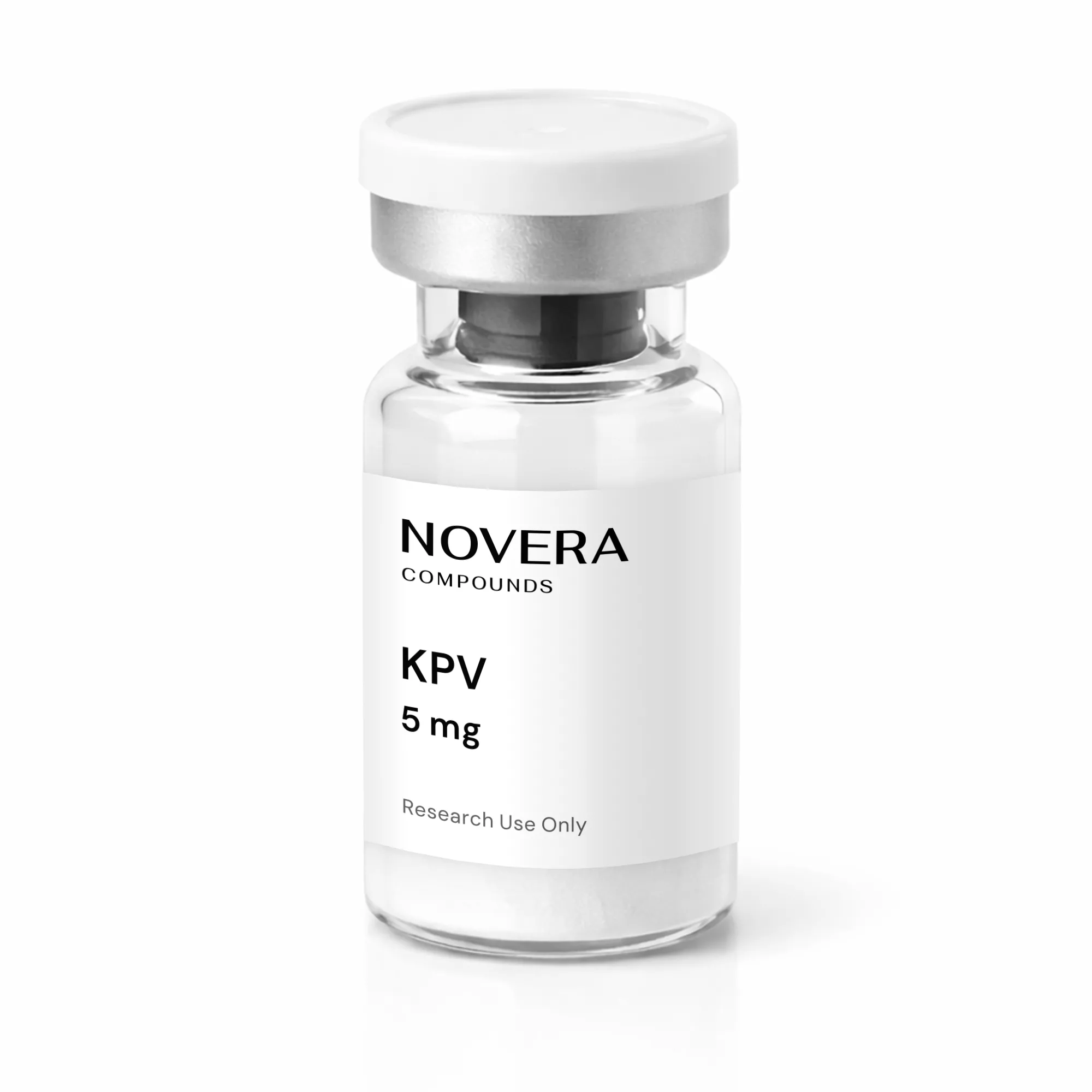
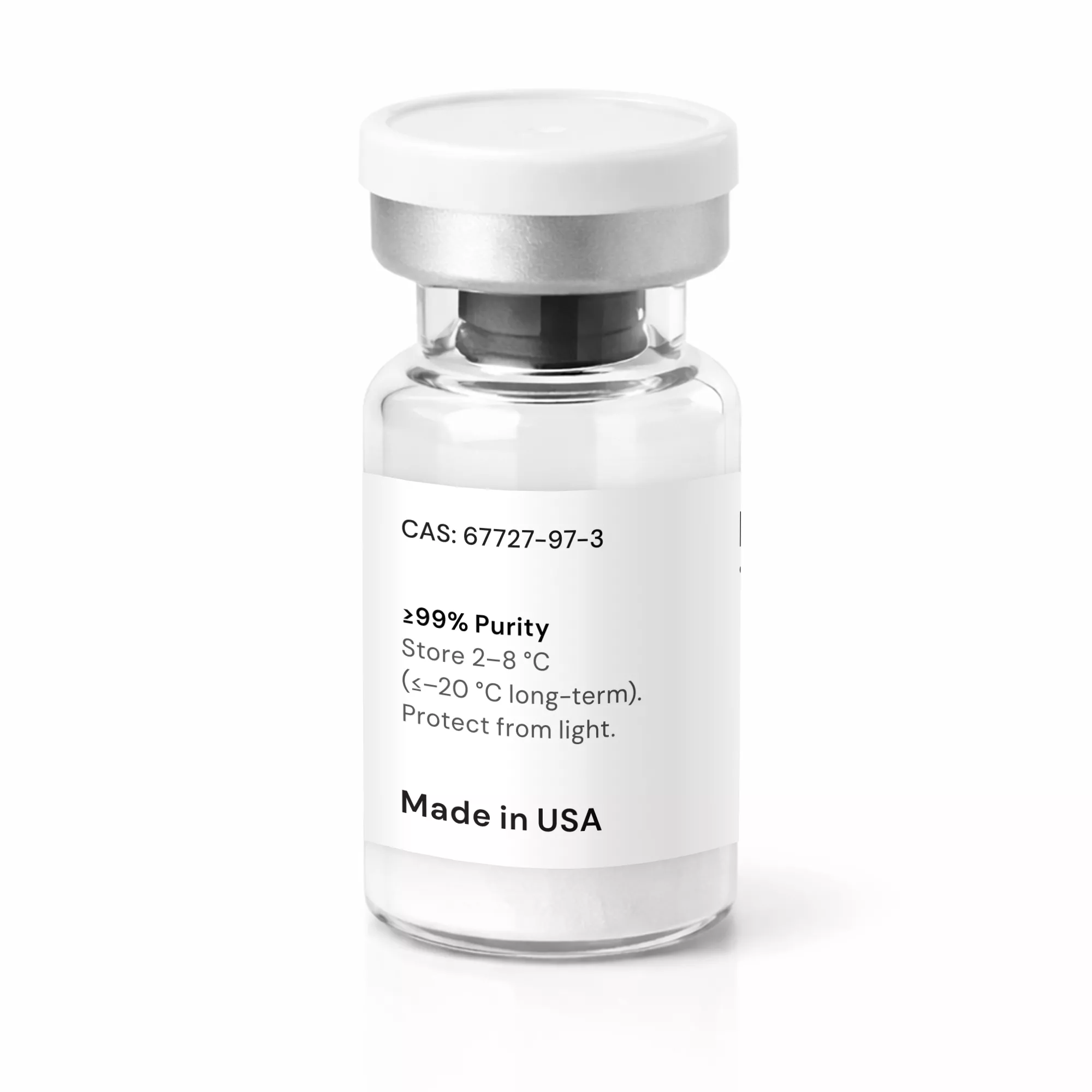
KPV 5mg
Strength: 5 mg
CAS: 67727-97-3
Chemical Formula: C₁₆H₃₀N₄O₄
Molecular weight: 342.43 g/mol
Peptide Sequence: Lys-Pro-Val
Synonyms: Lysine Proline Valine
Storage: Store 2–8 °C (≤–20 °C long-term). RT exposure during transport acceptable. Protect from light.
Shelf life: 24 months from the manufacturing date.
KPV is a synthetic tripeptide (Lys Pro Val) corresponding to the C terminal fragment of α melanocyte stimulating hormone and classified among healing and regenerative research peptides. In preclinical models of intestinal and other immune mediated inflammation, KPV has been reported to modulate NF κB/MAPK signaling and cytokine and histologic readouts, often via PepT1 mediated epithelial uptake, without establishing safety or efficacy for clinical use.


Why Choose Medica Depot
Shop hundreds of medical products with no minimums and free shipping on large orders.
 400+ products
 No order minimums
 Free shipping
 Loyalty rewards
 Trusted since 2007
 Account manager
 Verified LOT numbers
INFORMATION
What is KPV (5mg)?
KPV (5mg) is a synthetic tripeptide composed of lysine, proline, and valine (Lys‑Pro‑Val). It represents the C‑terminal fragment of alpha‑melanocyte‑stimulating hormone (α‑MSH) and is commonly studied as part of the broader class of healing and regenerative peptides.
In laboratory research, KPV is used as a small, chemically defined tool to explore inflammatory signaling, epithelial barrier biology, and tissue remodeling in cell-based systems and animal models, without implying any clinical or therapeutic use.
Product Specifications
- Peptide Sequence: Lys‑Pro‑Val
- Chemical Formula: C₁₆H₃₀N₄O₄
- Molecular Weight: 342.43 g/mol
- CAS Number: 67727-97-3
- Purity: Research‑grade peptide, typically ≥99% purity by HPLC, with identity and purity supported by chromatographic and mass spectrometric analysis and documented in a lot‑specific certificate of analysis.
- Packaging Format: 5 mg lyophilized (freeze‑dried) peptide in a sealed vial, intended for reconstitution with a suitable laboratory solvent or buffer prior to use.
- Storage Conditions: Store at −20°C, protected from light; avoid moisture exposure and minimize repeated freeze–thaw cycles to help maintain peptide integrity.
- Intended Use: For laboratory research use only; not for human or veterinary use.
Notably, many published studies use the acetylated and amidated analogue Ac‑KPV‑NH₂, which incorporates the same Lys‑Pro‑Val tripeptide core but with additional chemical modifications.
Key Characteristics of KPV (5mg)
- Short α‑MSH‑derived tripeptide, mimicking key signaling functions of the parent melanocortin hormone without the pigmentary effects.
- Frequently studied in healing and regenerative research, specifically for its role in inflammatory modulation and tissue remodeling.
- Investigated in preclinical intestinal models to assess NF‑κB and MAPK signaling, cytokine profiles, and tissue morphology.
- Used in PepT1-mediated peptide transport studies, helping understand how peptides enter epithelial and immune cells.
- Supplied as a lyophilized research reagent with documentation supporting reproducibility and analytical quality control.
How KPV (5mg) Supports Research
KPV (5mg) provides researchers with a defined peptide to study how melanocortin-related sequences interact with inflammatory pathways and tissue remodeling.
In experimental models, KPV allows researchers to assess receptor-mediated effects, cytokine regulation, and tissue integrity without relying on endogenous signaling systems.
Research Applications & Usage Information
- Intestinal Inflammation and Epithelial Integrity: Used in models of chemically induced colitis to study histology, cytokine mRNA levels, and other inflammation-related markers.
- Transport and Epithelial Uptake Mechanisms: Explores PepT1-mediated transport in epithelial tissues to investigate cellular entry and peptide signaling.
- Inflammation-Associated and Immune Models: Applied to models of dermatitis and immune-mediated inflammation to assess leukocyte migration and tissue swelling.
- Matrix Remodeling and Wound-Related Pathways: Investigates fibroblast activity, collagen-related endpoints, and ECM remodeling in wound-healing models.
- Melanocortin System and Signaling Research: Serves as a peptide tool for studies of melanocortin receptors and systemic versus local inflammatory regulation.
Handling and Storage Recommendations
- Keep lyophilized KPV vials at −20°C or lower, in a dry, dark environment.
- Allow frozen vials to warm to room temperature while sealed to reduce condensation.
- Brief exposure to room temperature is also acceptable during transport or shipping.
- Store reconstituted aliquots at refrigerated or frozen temperatures in accordance with internal stability data.
- Handle KPV using standard personal protective equipment and good laboratory practices for bioactive peptides.
- Properly dispose of materials according to institutional, national, and international regulations for chemical and biological waste.
Research Use Only Notice
This product is intended for laboratory research use only and is not approved for human or veterinary use. It is not intended for diagnostic, therapeutic, or clinical applications. Any reference to biological activity or potential effects is based solely on preclinical or in‑vitro findings and should not be interpreted as validated clinical outcomes. Researchers are responsible for ensuring proper handling, storage, and disposal in accordance with institutional, federal, and international guidelines.
References
- Dalmasso G, Charrier–Hisamuddin L, Nguyen HTT, Yan Y, Sitaraman S, Merlin D. PEPT1-Mediated Tripeptide KPV uptake reduces intestinal inflammation. Gastroenterology. 2007;134(1):166-178. doi:10.1053/j.gastro.2007.10.026
- Kannengiesser K, Maaser C, Heidemann J, et al. Melanocortin-derived tripeptide KPV has anti-inflammatory potential in murine models of inflammatory bowel disease. Inflammatory Bowel Diseases. 2007;14(3):324-331. doi:10.1002/ibd.20334
- Brzoska T, Luger TA, Maaser C, Abels C, BöHm M. Α-Melanocyte-Stimulating hormone and related tripeptides: biochemistry, antiinflammatory and protective effects in vitro and in vivo, and future perspectives for the treatment of Immune-Mediated Inflammatory Diseases. Endocrine Reviews. 2008;29(5):581-602. doi:10.1210/er.2007-0027
- Gravina AG, Pellegrino R, Durante T, et al. The Melanocortin System in Inflammatory Bowel Diseases: Insights into Its Mechanisms and Therapeutic Potentials. Cells. 2023;12(14):1889. doi:10.3390/cells12141889
What is KPV (5mg)?
KPV (5mg) is a synthetic tripeptide composed of lysine, proline, and valine (Lys‑Pro‑Val). It represents the C‑terminal fragment of alpha‑melanocyte‑stimulating hormone (α‑MSH) and is commonly studied as part of the broader class of healing and regenerative peptides.
In laboratory research, KPV is used as a small, chemically defined tool to explore inflammatory signaling, epithelial barrier biology, and tissue remodeling in cell-based systems and animal models, without implying any clinical or therapeutic use.
Product Specifications
- Peptide Sequence: Lys‑Pro‑Val
- Chemical Formula: C₁₆H₃₀N₄O₄
- Molecular Weight: 342.43 g/mol
- CAS Number: 67727-97-3
- Purity: Research‑grade peptide, typically ≥99% purity by HPLC, with identity and purity supported by chromatographic and mass spectrometric analysis and documented in a lot‑specific certificate of analysis.
- Packaging Format: 5 mg lyophilized (freeze‑dried) peptide in a sealed vial, intended for reconstitution with a suitable laboratory solvent or buffer prior to use.
- Storage Conditions: Store at −20°C, protected from light; avoid moisture exposure and minimize repeated freeze–thaw cycles to help maintain peptide integrity.
- Intended Use: For laboratory research use only; not for human or veterinary use.
Notably, many published studies use the acetylated and amidated analogue Ac‑KPV‑NH₂, which incorporates the same Lys‑Pro‑Val tripeptide core but with additional chemical modifications.
Key Characteristics of KPV (5mg)
- Short α‑MSH‑derived tripeptide, mimicking key signaling functions of the parent melanocortin hormone without the pigmentary effects.
- Frequently studied in healing and regenerative research, specifically for its role in inflammatory modulation and tissue remodeling.
- Investigated in preclinical intestinal models to assess NF‑κB and MAPK signaling, cytokine profiles, and tissue morphology.
- Used in PepT1-mediated peptide transport studies, helping understand how peptides enter epithelial and immune cells.
- Supplied as a lyophilized research reagent with documentation supporting reproducibility and analytical quality control.
How KPV (5mg) Supports Research
KPV (5mg) provides researchers with a defined peptide to study how melanocortin-related sequences interact with inflammatory pathways and tissue remodeling.
In experimental models, KPV allows researchers to assess receptor-mediated effects, cytokine regulation, and tissue integrity without relying on endogenous signaling systems.
Research Applications & Usage Information
- Intestinal Inflammation and Epithelial Integrity: Used in models of chemically induced colitis to study histology, cytokine mRNA levels, and other inflammation-related markers.
- Transport and Epithelial Uptake Mechanisms: Explores PepT1-mediated transport in epithelial tissues to investigate cellular entry and peptide signaling.
- Inflammation-Associated and Immune Models: Applied to models of dermatitis and immune-mediated inflammation to assess leukocyte migration and tissue swelling.
- Matrix Remodeling and Wound-Related Pathways: Investigates fibroblast activity, collagen-related endpoints, and ECM remodeling in wound-healing models.
- Melanocortin System and Signaling Research: Serves as a peptide tool for studies of melanocortin receptors and systemic versus local inflammatory regulation.
Handling and Storage Recommendations
- Keep lyophilized KPV vials at −20°C or lower, in a dry, dark environment.
- Allow frozen vials to warm to room temperature while sealed to reduce condensation.
- Brief exposure to room temperature is also acceptable during transport or shipping.
- Store reconstituted aliquots at refrigerated or frozen temperatures in accordance with internal stability data.
- Handle KPV using standard personal protective equipment and good laboratory practices for bioactive peptides.
- Properly dispose of materials according to institutional, national, and international regulations for chemical and biological waste.
Research Use Only Notice
This product is intended for laboratory research use only and is not approved for human or veterinary use. It is not intended for diagnostic, therapeutic, or clinical applications. Any reference to biological activity or potential effects is based solely on preclinical or in‑vitro findings and should not be interpreted as validated clinical outcomes. Researchers are responsible for ensuring proper handling, storage, and disposal in accordance with institutional, federal, and international guidelines.
References
- Dalmasso G, Charrier–Hisamuddin L, Nguyen HTT, Yan Y, Sitaraman S, Merlin D. PEPT1-Mediated Tripeptide KPV uptake reduces intestinal inflammation. Gastroenterology. 2007;134(1):166-178. doi:10.1053/j.gastro.2007.10.026
- Kannengiesser K, Maaser C, Heidemann J, et al. Melanocortin-derived tripeptide KPV has anti-inflammatory potential in murine models of inflammatory bowel disease. Inflammatory Bowel Diseases. 2007;14(3):324-331. doi:10.1002/ibd.20334
- Brzoska T, Luger TA, Maaser C, Abels C, BöHm M. Α-Melanocyte-Stimulating hormone and related tripeptides: biochemistry, antiinflammatory and protective effects in vitro and in vivo, and future perspectives for the treatment of Immune-Mediated Inflammatory Diseases. Endocrine Reviews. 2008;29(5):581-602. doi:10.1210/er.2007-0027
- Gravina AG, Pellegrino R, Durante T, et al. The Melanocortin System in Inflammatory Bowel Diseases: Insights into Its Mechanisms and Therapeutic Potentials. Cells. 2023;12(14):1889. doi:10.3390/cells12141889
Related products