Did you know that an individual’s own platelets can support the repair of injured tendons, ligaments, and joints? As a regenerative treatment, orthopedic PRP injections, also called PRP orthopedic injections, are a platelet-rich plasma (PRP) injection approach that has become a common option in sports medicine and orthopedic practices for conditions ranging from tendinopathy to early-stage osteoarthritis.
Medica Depot supplies orthopedic PRP injections and related preparation kits to licensed clinics, and this guide will explore how PRP is prepared, its clinical applications in orthopedics, how it is administered, what patients can typically expect in terms of results and recovery, and what it costs.
Clinics building out or expanding a regenerative orthopedics offering can buy orthopedic injections wholesale through Medica Depot, which carries orthopedic PRP kits and related orthopedic injectables sold to licensed medical practices.
Key Takeaways
- PRP concentrates platelets and their associated growth factors from a patient’s own blood using a centrifuge, then delivers that concentrate to an injured or degenerative tissue site to support healing.
- Clinical evidence most strongly supports PRP for knee osteoarthritis and select tendon injuries, with symptom relief commonly reported for six to twelve months and sometimes longer.
- PRP is generally low-risk compared with surgery or repeated corticosteroid use, though preparation methods are not fully standardized and not every professional body endorses it for every condition.
About: Medica Depot is your trusted all-in-one supplier, offering a range of high-quality medical injectables and supplies. We offer a worry-free experience in searching for the best and most popular products on the market, like orthopedic PRP injections. Whether for health professionals, plastic surgeons, dermatologists, licensed estheticians, or other specialists, we can offer genuine, brand-name products you may need. With Medica Depot, we prioritize serving you better to improve the patient’s quality of life.
What Are Orthopedic PRP Injections?
Platelet-rich plasma (PRP) is an autologous blood product, prepared from the patient’s own blood rather than a donor or synthetic source. Platelets are best known for their roles in clotting, but they also store a wide pool of signaling proteins in their granules that help regulate inflammation and tissue repair [1][3].
In regenerative orthopedic medicine, PRP orthopedic injections deliver a higher-than-normal concentration of these platelets directly to a damaged tendon, ligament, muscle, or joint to support the body’s repair process rather than simply masking pain [1][3].
However, the exact biological mechanism of platelet-rich plasma PRP injection is still being studied, and clinicians generally describe it as promising but not yet fully understood [3].
Preparing PRP: Platelets, Growth Factors, and Centrifugation
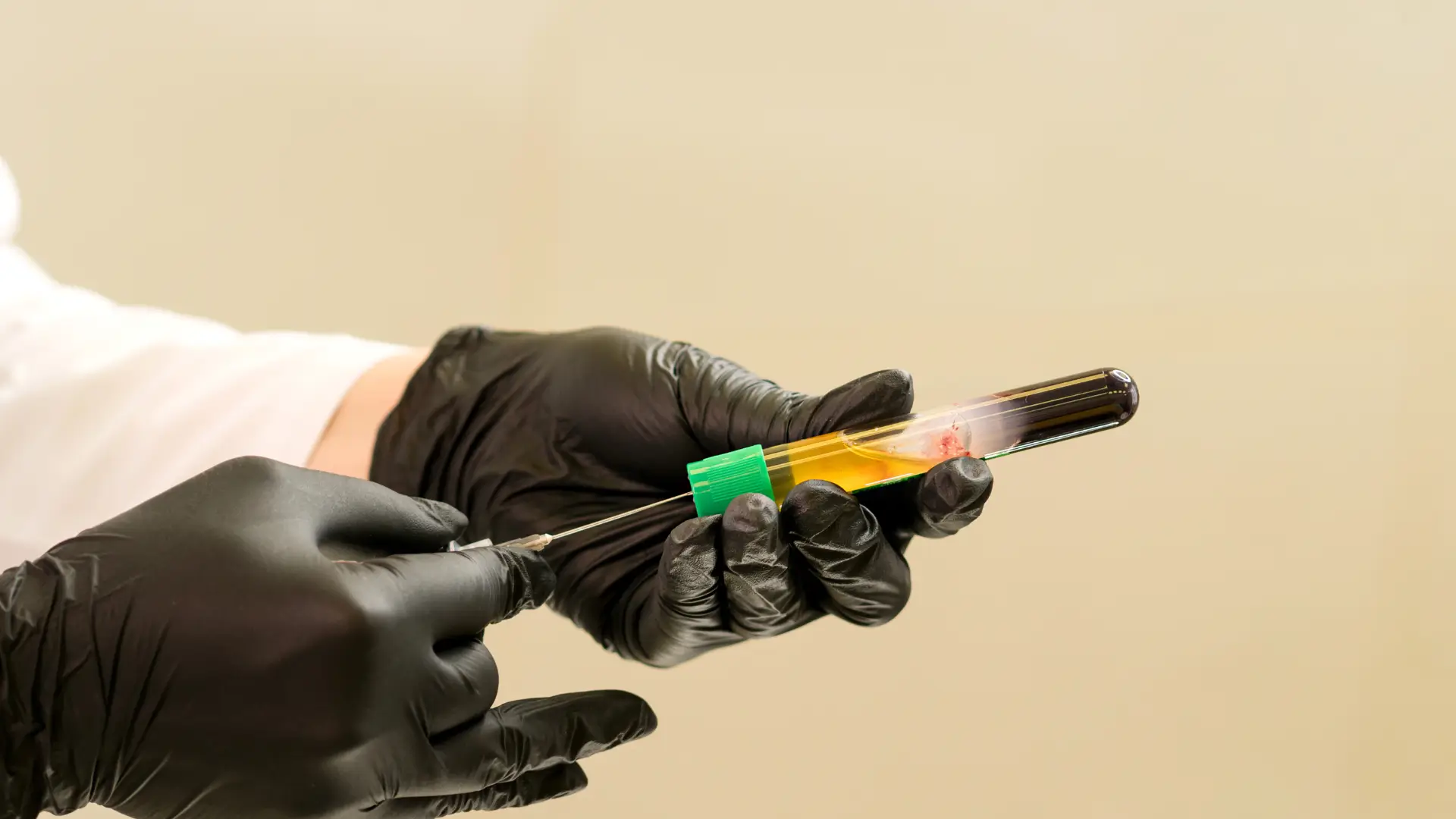
Preparing orthopedic PRP injections starts by drawing a small amount of the patient’s blood, similar to a routine laboratory draw. The sample is placed in a special device called a centrifuge, which spins the blood at high speed to separate platelets and plasma from the heavier red blood cells and white blood cells [1][3].
Plasma is the liquid, protein-rich portion of blood that carries platelets and other blood components through the body [3]. After centrifugation, the solution contains a high concentration of platelets suspended in plasma. When these concentrated platelets are activated, they release growth factors, including platelet-derived growth factor (PDGF), transforming growth factor-beta (TGF-β), vascular endothelial growth factor (VEGF), epidermal growth factor (EGF), insulin-like growth factor (IGF-1), and fibroblast growth factor (FGF), from their internal granules [1].
The growth factors are believed to help recruit reparative cells and support the repair of bone, tendon, and joint tissue [1]. Different PRP preparation systems provide different platelet concentrations and different ratios of white blood cells, which is one reason clinical outcomes can vary between studies and products [1].
Clinical Applications of PRP in Orthopedics
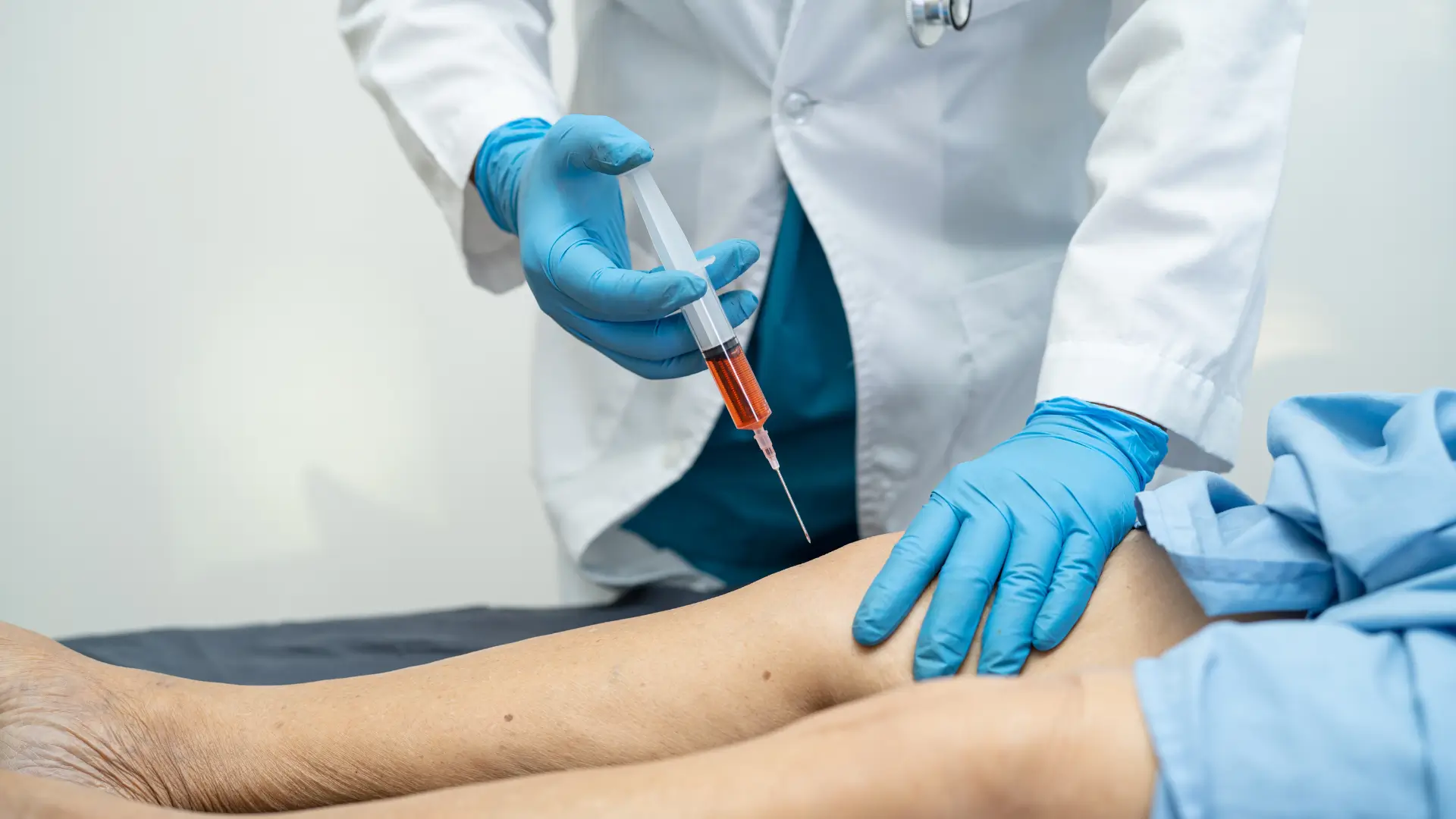
Orthopedic PRP injections are one of several orthopedic injection types used across a range of soft tissue and musculoskeletal injuries. The most extensively studied application is knee osteoarthritis, where PRP is injected into the joint to help reduce pain and improve function in patients with low- to moderate-grade disease [5].
PRP is also used for chronic tendon injuries such as tennis elbow (lateral epicondylitis), golfer’s elbow, Achilles tendinopathy, and patellar tendinopathy. It is also applied to other musculoskeletal injuries and conditions affecting the shoulder, hip, foot, and ankle [4].
Across these applications, the underlying goal of PRP injections remains similar. It aims to deliver a concentrated dose of growth factors to damaged tissue to promote natural healing and shorten the healing process, rather than to replace lost tissue outright [1][3].
How Is a PRP Injection Administered?
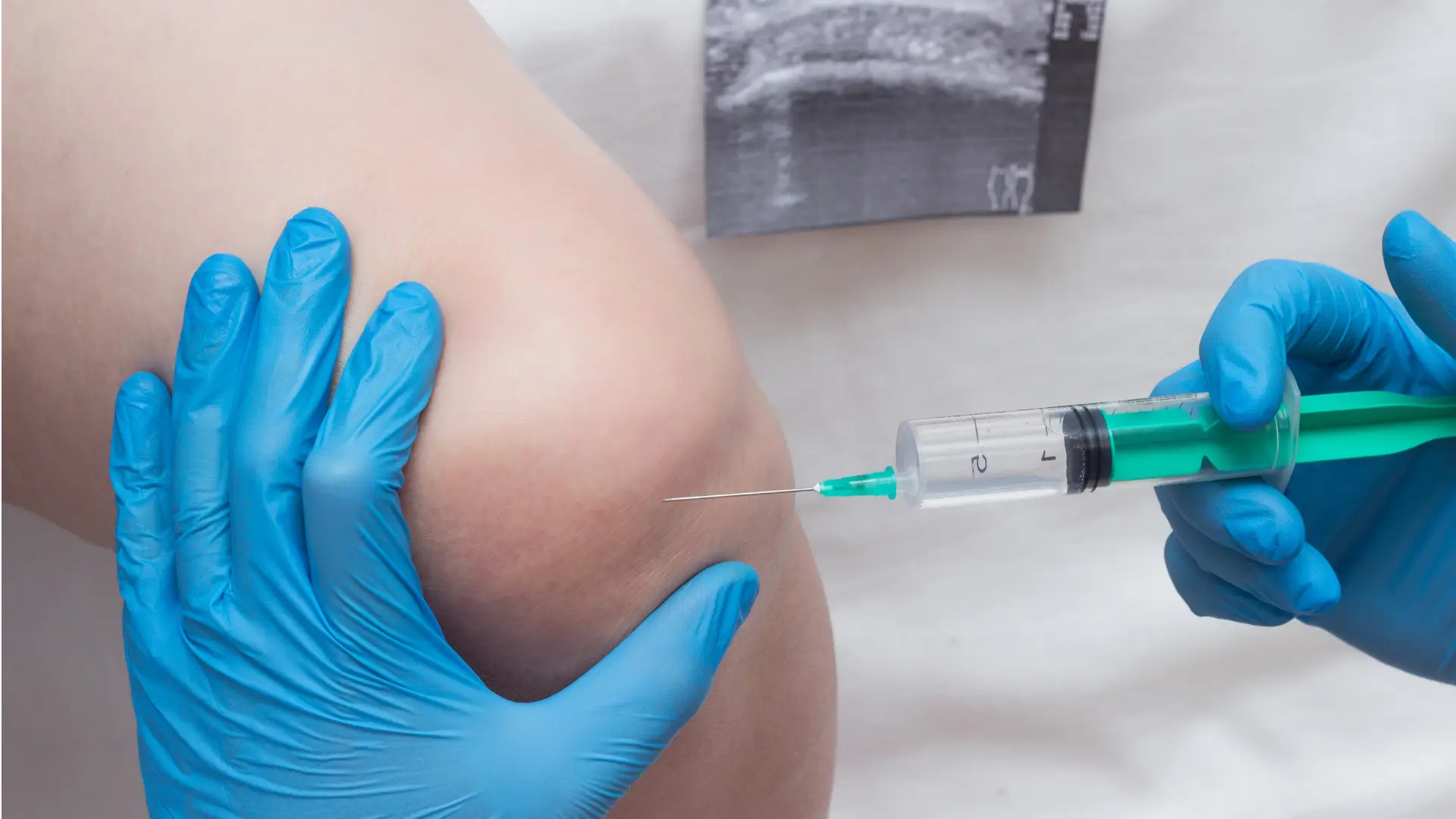
Once the blood is drawn and processed, the PRP is typically injected during the same clinic visit. For joint and deep soft-tissue targets, practitioners may use ultrasound guidance to visualize the target structure and place the injection accurately [3].
Depending on the condition being treated, platelet-rich plasma PRP therapy may involve a single injection or a short course of injections spaced roughly one to a few weeks apart [4]. Patients are often advised to rest the treated area afterward and avoid strenuous activity.
Furthermore, clinicians frequently pair PRP treatment with a structured physical therapy program before and after the injection to support functional recovery [4].
How Long Will a PRP Injection Last?
The duration of benefit from a PRP injection varies by patient, depending on factors such as the severity of the underlying condition, the patient’s activity level, and overall health [4].
For knee osteoarthritis, current evidence indicates that benefits are commonly maintained for twelve months or longer [2]. Moreover, practitioners commonly describe relief lasting at least six months and often a year or more before considering a repeat course [4].
By contrast, orthopedic cortisone injections act quickly on inflammation but generally deliver only short-term relief, and repeated cortisone injections have been associated with radiological cartilage degeneration at more than twelve months [2]. In terms of durability, PRP compares favorably with corticosteroid injections for appropriately selected patients [2].
Notably, PRP is not a one-time cure. Like other injection-based therapies, its effects are expected to diminish over time gradually, and ongoing management such as exercise and weight control remains an important part of long-term outcomes [2][4].
What Are the Cons of Using PRP?
Patients considering PRP reasonably want to know its downsides. Because PRP is prepared from the patient’s own blood, the risk of allergic reaction or disease transmission is low compared with other injectable therapies [5].
The most frequently reported issues are soreness at the injection site and a low risk of infection at the injection site, since the procedure is invasive [4][5]. Additionally, adverse events reported across PRP studies are generally short-term and mild, and long-term safety reviews have found PRP to carry a low risk of harm relative to corticosteroid injections [2].
Post-procedure care following PRP injections generally includes resting the treated joint or tissue for a day or two, avoiding aggressive exercise, and gradually returning to activity under clinical guidance [4].
Research on PRP risks and complications is also evolving: preparation protocols are not standardized across products and providers, making it difficult to compare outcomes directly. Some major professional bodies have not formally endorsed PRP for conditions such as knee or hip osteoarthritis, citing the lack of standardized preparation and technique [5].
How Much Do Orthopedic PRP Injections Cost?
Orthopedic PRP injections are frequently classified as an elective or investigational treatment, so they are often not covered by insurance. Reported out-of-pocket costs for a single joint injection, including facility and physician fees, commonly range from roughly $750 to $2,000 in the United States [5].
However, pricing varies by region within the U.S. based on local cost of care, clinic overhead, and the number of injections included in a treatment course. It can also differ outside the U.S. depending on local healthcare costs, regulatory requirements, and the PRP preparation system used.
When evaluating cost for a joint or soft-tissue condition, patients and clinicians generally weigh the price of a PRP course against the cost and recovery time of alternatives such as repeated cortisone injections or surgery.
The contents of this page are meant for licensed medical professionals. They serve informational purposes only and are not to be taken as medical advice.
Citations
[1] Nakhaei Amroodi, Morteza et al. “Platelet-rich Plasma in Orthopedics: Unraveling Cellular Mechanisms, Therapeutic Potential, and Limitations : Platelet-rich Plasma in Orthopedics.” Galen medical journal vol. 14 e3883. 5 Nov. 2025, doi:10.31661/gmj.v14i.3883
[2] Charlesworth, Jonathon et al. “Osteoarthritis- a systematic review of long-term safety implications for osteoarthritis of the knee.” BMC musculoskeletal disorders vol. 20,1 151. 9 Apr. 2019, doi:10.1186/s12891-019-2525-0
[3] Johns Hopkins Medicine. “Platelet-Rich Plasma (PRP) Treatment.” Johns Hopkins Medicine, www.hopkinsmedicine.org/health/treatment-tests-and-therapies/plateletrich-plasma-prp-treatment.
[4] Christensen, Lynne. “PRP Injection for Knee Osteoarthritis: Does It Work?” Harvard Health Publishing, 16 July 2026, https://www.health.harvard.edu/bones-and-joints/prp-injection-for-knee-osteoarthritis-does-it-work.
[5] WebMD Editorial Contributors. “What to Know About Platelet-Rich Plasma (PRP) Treatment.” WebMD, medically reviewed by Michael Dansinger, MD, www.webmd.com/osteoarthritis/what-to-know-about-platelet-rich-plasma-prp-treatment.
This content was prepared and reviewed under our editorial guidelines , which govern how we source, verify, and update clinical and product information. Every claim is checked against peer-reviewed research, manufacturer documentation, or regulatory guidance before publication.