Did you know that orthopedic treatment options have expanded into a full range of care to address pain and dysfunction in the joints, muscles, and bones? From bracing and physical therapy to advanced surgical reconstruction, orthopedic treatments are chosen based on the severity of the condition, the patient’s goals, and how the injury occurred.
Because the category spans various modalities, medical providers who order the products behind these treatments rely on Medica Depot for orthopedic treatment supplies, from bracing and rehabilitation equipment to the injectable products used in non-surgical care.
This article will explore how the major categories of orthopedic treatment compare with one another, non-surgical versus surgical approaches, trauma care versus routine care, and conventional treatment versus newer, more advanced options, so clinicians and clinic owners can better understand where each fits into a patient’s care plan.
For clinics that stock injectable orthopedic products, it’s worth knowing where to buy orthopedic injections online from a reliable supplier. This decision becomes easier once you understand how injections compare to the other orthopedic treatment options covered below.
Key Takeaways
- Orthopedic treatment ranges from conservative, non-surgical care to reconstructive surgery, and the right starting point depends on injury severity, cause, and patient response to earlier interventions.
- The cause of an injury, whether from a pedestrian accident, a slip and fall, or a workplace incident, builds both the urgency and the type of orthopedic care a patient needs.
- Advanced options like laser therapy and stem cell treatments are gaining attention, but they carry different levels of clinical evidence and regulatory clearance than established non-surgical or surgical care.
About: Medica Depot is your trusted all-in-one supplier, offering a range of high-quality medical injectables and supplies. We offer a worry-free experience in searching for the best and most popular products on the market, like orthopedic injections. Whether for health professionals, plastic surgeons, dermatologists, licensed estheticians, or other specialists, we can offer genuine, brand-name products you may need. With Medica Depot, we prioritize serving you better to improve the patient’s quality of life.
Understanding the Orthopedic Treatment Spectrum
Orthopedic treatment is not a single intervention but an umbrella term for the diagnostic and therapeutic approaches used to manage conditions affecting the musculoskeletal system. Orthopedic care can address anything from a sprained ankle to a fractured hip, with treatment paths chosen based on the tissue involved, the extent of damage, and the patient’s goals.
In practice, treatment plans may progress through a continuum that includes rest, activity modification, bracing, medication, physical therapy, injections, minimally invasive procedures, and surgery. Many patients move through several of these along the course of their care.
AAOS guidance for knee osteoarthritis focuses on evidence-based nonoperative management. Patients whose symptoms remain severe despite appropriate conservative care may require separate evaluation for surgical treatment [1].
For most degenerative and overuse conditions, non-surgical orthopedic treatments are attempted first, and physical therapy, bracing, and activity modification are often enough to meaningfully reduce symptoms. However, unstable or significantly displaced fractures, certain complete ligament ruptures, and other acute traumatic injuries may require early surgical evaluation and, in some cases, surgical treatment.
Non-Surgical Care Compared With Surgery
| Treatment Pathway | Common Examples | Typical Role | Recovery Considerations |
| Non-Surgical Care | Physical therapy, activity modification, bracing, medication, injections | Often used first for stable injuries, degenerative conditions, and many overuse problems | Usually involves less immediate downtime but may require ongoing rehabilitation or repeat treatment |
| Surgical Care | Arthroscopy, fracture fixation, ligament reconstruction, joint replacement | Considered when structural damage is severe, the injury is unstable, or non-surgical care is insufficient | Usually involves a longer period of rehabilitation, restricted activity, or immobilization |
Non-surgical care can reduce symptoms and restore function in many conditions, although outcomes depend on the diagnosis, severity, tissue involved, and patient response. Surgical care, by contrast, is generally reserved for cases where conservative treatment has not produced adequate results or where structural damage is too severe to resolve otherwise.
Physical and occupational therapy may support either pathway by preparing a patient for surgery, guiding postoperative rehabilitation, or serving as the primary treatment.
Trauma Care Versus Routine Orthopedic Treatment
The mechanism and urgency of an injury help determine whether a patient needs emergency stabilization, trauma-center evaluation, or scheduled outpatient care. High-energy injuries may involve fractures, dislocations, vascular or soft-tissue damage, and the need for immediate imaging or surgical fixation. By contrast, providers commonly evaluate arthritis, tendinopathy, and chronic joint pain through scheduled outpatient visits.
Common trauma pathways include pedestrian and motor-vehicle collisions, slip-and-fall incidents, and workplace injuries. Falls are a major cause of injury among older adults and account for most hip-fracture-related emergency department visits and hospitalizations in this population; fall-related orthopedic injuries may also involve the wrist and ankle [3]. Orthopedic treatment for workplace injuries can range from repetitive strain and overuse conditions to acute trauma from falls, machinery, or lifting incidents, and may involve coordination with occupational health services, workers’ compensation requirements, or workplace return-to-duty processes.
The American College of Surgeons’ Trauma Verification, Review, and Consultation Program provides an external review of a hospital’s trauma-care capability, including its readiness, resources, policies, personnel, and performance-improvement processes. ACS verification is distinct from state trauma-center designation [4].
Routine orthopedic services, by contrast, address ongoing or degenerative conditions in an outpatient setting on a scheduled rather than emergency basis. This allows time for conservative treatment trials, imaging follow-up, and shared decision-making before committing to a surgical plan.
Injections and Emerging Orthopedic Modalities
Beyond core rehabilitation, several non-operative options support orthopedic care. Their evidence base, regulatory status, and positioning vary considerably.
Corticosteroid and Viscosupplementation Injections
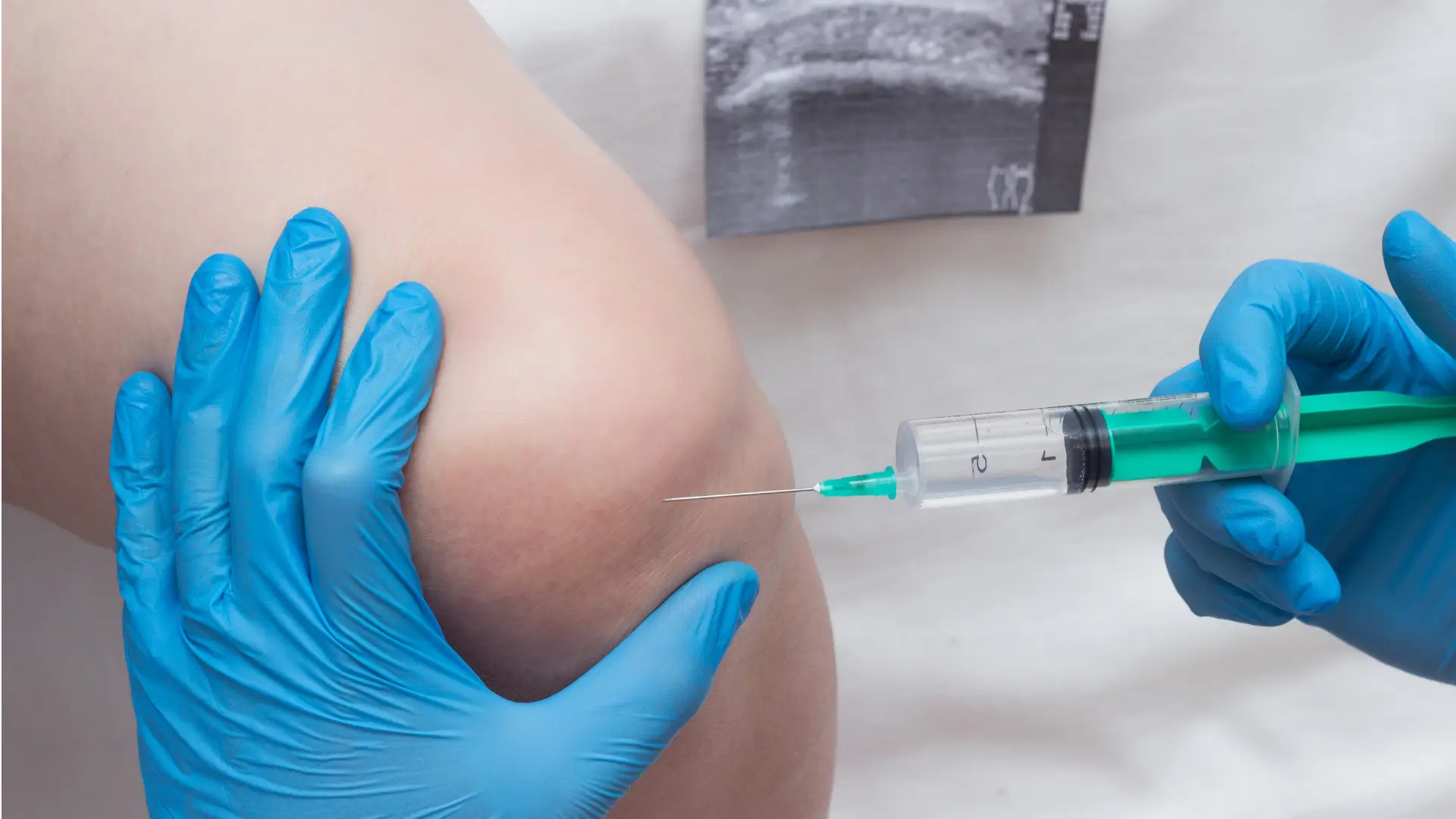
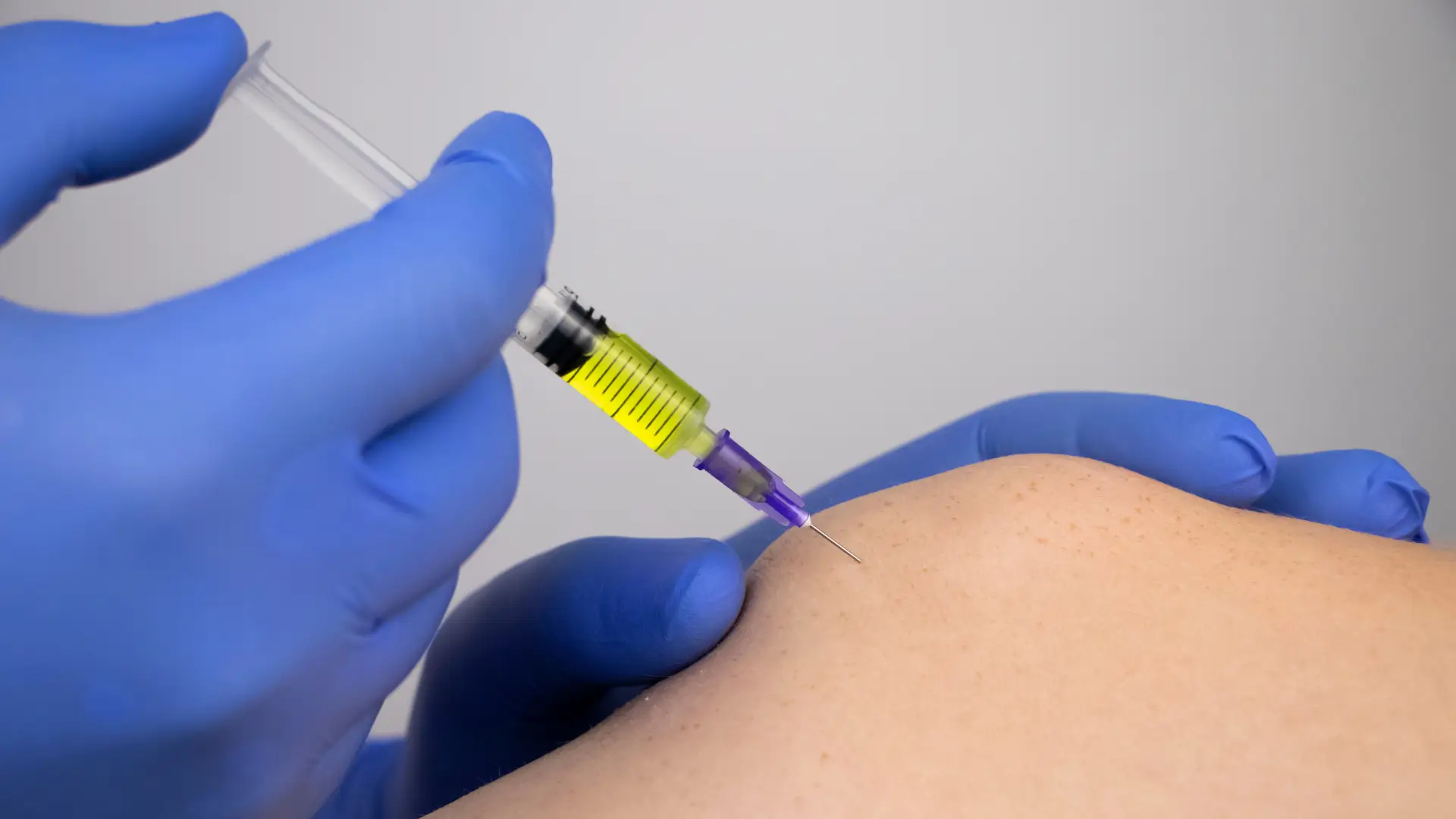
Orthopedic injections, including corticosteroids and viscosupplementation, are non-surgical treatment options that may be considered alongside medication, rehabilitation, bracing, and activity modification. Because injections deliver medication directly to or near a symptomatic area, they may provide localized relief in selected conditions. Their duration and effectiveness vary by product, diagnosis, injection site, and patient.
Clinics comparing treatment options and supply costs should familiarize themselves with knee gel injections cost to provide additional purchasing context.
Low-Level Laser Therapy
Orthopedic laser treatment, also known as low-level laser therapy or photobiomodulation, uses light energy to influence cellular processes and is used in some settings to address pain and functional limitations. A recent narrative review suggests that low-level laser therapy may reduce pain and improve function in some patients with osteoarthritis, although effects vary according to treatment parameters, patient population, and study quality [5]. It is generally positioned as an adjunct, not a replacement, for core orthopedic care.
Stem Cell and Regenerative Medicine Products
In the United States, regenerative medicine products marketed to treat orthopedic conditions must comply with applicable FDA requirements, including any required approval, licensure, or investigational pathway. The FDA states that regenerative medicine therapies have not been approved to treat any orthopedic condition, including osteoarthritis, tendonitis, or joint pain [2]. Providers should evaluate a product’s identity, source, processing method, and legal status before considering it, since regenerative products marketed under similar names may not share the same regulatory position.
Matching the Provider and Facility to the Condition
Not every orthopedic treatment facility offers the same scope of services. Some are equipped for routine orthopedic care only, while others maintain the staffing and equipment needed for orthopedic trauma treatment around the clock.
Patients and referring clinics should consider the provider’s training, relevant specialty experience, available diagnostic and surgical resources, and whether the facility can provide the required level of care. A routine arthritis follow-up and a high-energy fracture may require very different settings.
The contents of this page are meant for licensed medical professionals. They serve informational purposes only and are not to be taken as medical advice.
Citations
[1] Brophy, Robert H, and Yale A Fillingham. “AAOS Clinical Practice Guideline Summary: Management of Osteoarthritis of the Knee (Nonarthroplasty), Third Edition.” The Journal of the American Academy of Orthopaedic Surgeons vol. 30,9 (2022): e721-e729. doi:10.5435/JAAOS-D-21-01233
[2] U.S. Food and Drug Administration. “Consumer Alert on Regenerative Medicine Products Including Stem Cells and Exosomes.” U.S. Food and Drug Administration, updated 24 Mar. 2021, www.fda.gov/vaccines-blood-biologics/consumers-biologics/consumer-alert-regenerative-medicine-products-including-stem-cells-and-exosomes.
[3] Centers for Disease Control and Prevention. “Older Adult Falls: Facts.” Centers for Disease Control and Prevention, updated 20 May 2025, www.cdc.gov/falls/data-research/facts-stats/index.html.
[4] American College of Surgeons. “About the Verification, Review, and Consultation Program (VRC).” American College of Surgeons, www.facs.org/quality-programs/trauma/quality/verification-review-and-consultation-program/about-vrc/.
[5] Hennessy, S N, and G D Corcoran. “Low-level laser therapy in osteoarthritic pain: A narrative review with an approach to integrated clinical use.” Osteoarthritis and cartilage open vol. 7,4 100685. 19 Sep. 2025, doi:10.1016/j.ocarto.2025.100685
This content was prepared and reviewed under our editorial guidelines , which govern how we source, verify, and update clinical and product information. Every claim is checked against peer-reviewed research, manufacturer documentation, or regulatory guidance before publication.