
For professionals asking questions like “Does retatrutide lower cholesterol?”, current research offers growing data on how this investigational therapy may affect blood lipids and other cardiometabolic risk factors. Retatrutide (LY3437943), developed by Eli Lilly and Company, is a once-weekly investigational peptide that activates the GIP, GLP-1, and glucagon receptors. Phase 2 and Phase 3 studies have reported dose-dependent reductions in non-HDL cholesterol, ApoB, and triglycerides, while changes in LDL-C have generally been more modest and HDL-C has shown little direct change.
Medica Depot includes retatrutide within its broader peptide research library, where licensed professionals can review research context and information on how to buy retatrutide wholesale. This article examines the available retatrutide and cholesterol findings, with particular attention to LDL-C, HDL-C, ApoB, and what these changes may mean for cardiovascular outcomes.
Key Takeaways
- Retatrutide has been associated with dose-dependent reductions in non-HDL cholesterol, ApoB, and triglycerides, with more modest reductions in LDL-C and little direct change in HDL-C.
- Lipid changes have appeared alongside improvements in blood pressure, body weight, waist circumference, and liver fat, suggesting a broader cardiometabolic effect rather than an isolated cholesterol change.
- Research has not yet shown that retatrutide reduces heart attack, stroke, or cardiovascular death. Current findings are based on risk markers, while dedicated cardiovascular outcomes research is still underway.
About: Medica Depot is your trusted all-in-one supplier, offering a range of high-quality medical injectables and supplies. We offer a worry-free experience in searching for the best and most popular products on the market, like retatrutide. Whether for health professionals, plastic surgeons, dermatologists, licensed estheticians, or other specialists, we can offer genuine, brand-name products you may need. With Medica Depot, we prioritize serving you better to improve the patient’s quality of life.
Does Retatrutide Lower Cholesterol? What the Evidence Shows
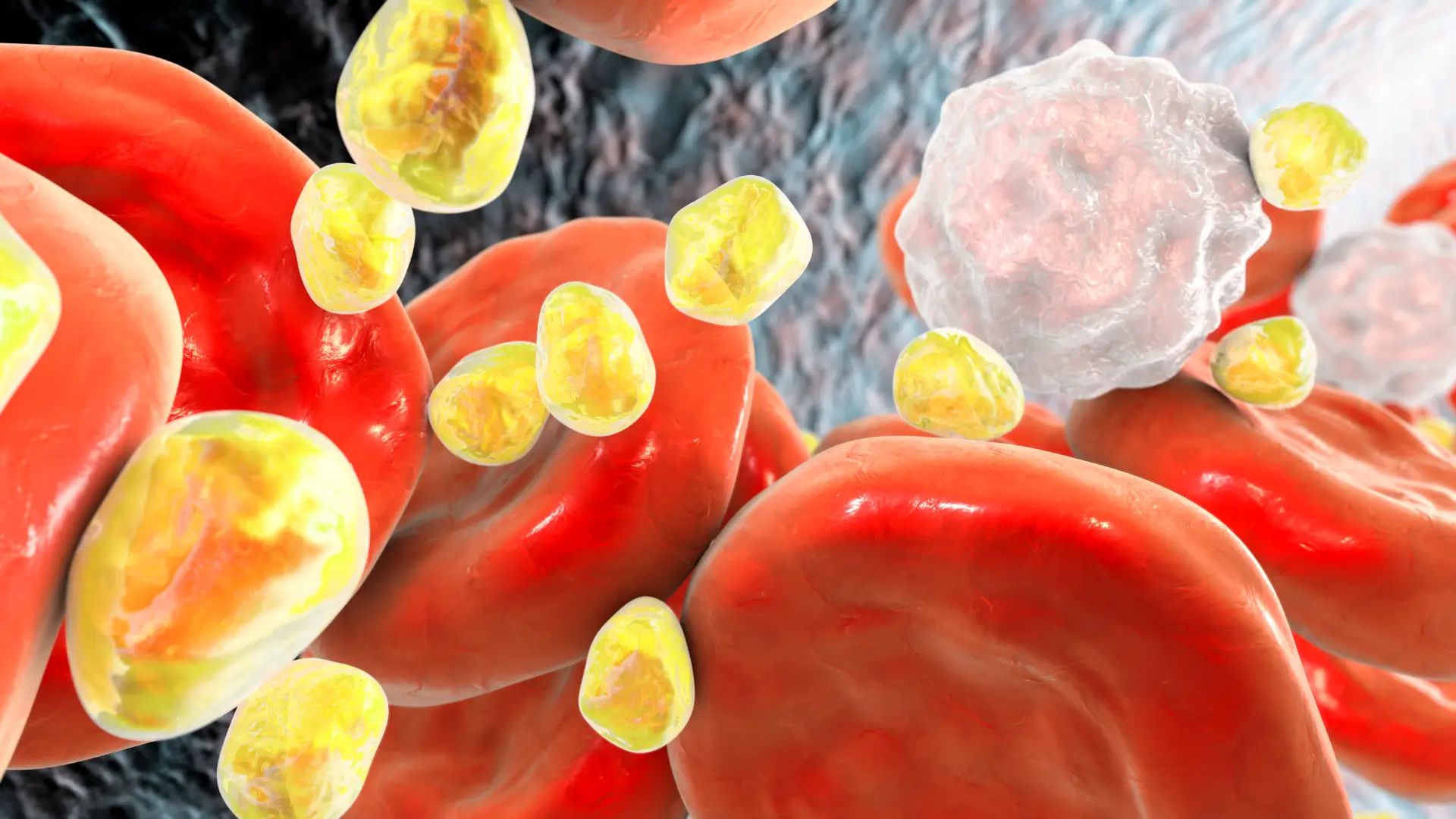
Retatrutide is a once-weekly investigational peptide with a triple-agonist mechanism. Unlike agents that work through one or two metabolic hormone pathways, it activates GIP, GLP-1, and glucagon receptors at the same time.
One of the most detailed lipid analyses was presented at the European Society of Cardiology 2024 congress and published in a supplement to the European Heart Journal. It looked at lipoprotein and apolipoprotein changes in adults with obesity or overweight who did not have type 2 diabetes [1].
What Do the Main Lipid Findings Show?
In that analysis, retatrutide reduced non-HDL cholesterol by up to 22.2% at 24 weeks and 26.9% at 48 weeks. ApoB fell by up to 19.6% and 24.2% over the same periods [1].
These findings were not limited to one value on a standard lipid panel and also reflected changes in atherogenic particle burden.
For professionals asking whether retatrutide will lower cholesterol, the evidence suggests that several lipid measures can improve in research populations. Effect sizes differ by marker, so the answer is more specific than a simple yes or no.
How Might Retatrutide’s Triple Agonist Mechanism Affect Lipid Metabolism?
Retatrutide is built on a GIP-based peptide backbone and includes a fatty diacid moiety that helps extend its half-life. Its combined activity at the GIP, GLP-1, and glucagon receptors is thought to affect lipid metabolism through several related pathways.
What Roles Do GLP-1, GIP, and Glucagon Play?
The proposed effects include:
- GLP-1 receptor activation: Appears to reduce the liver’s output of ApoB and very-low-density lipoprotein.
- Glucagon receptor stimulation: May increase energy expenditure and promote fatty acid oxidation.
- GIP receptor signaling: May support lipid clearance and insulin-related metabolic effects.
Together, these actions may help explain the changes in triglycerides, ApoB, and non-HDL cholesterol seen in trials. Retatrutide was developed primarily as an anti-obesity agent, so its cholesterol findings are best viewed as part of a wider metabolic response.
What Does Research Show About LDL-C, HDL-C, and ApoB?
A 2026 systematic review and meta-analysis of randomized controlled trials found that retatrutide significantly reduced total cholesterol, LDL-C, and triglycerides, while HDL-C did not change significantly [2].
The pooled analysis reported average reductions of about 13 mg/dL in LDL-C and 41 mg/dL in triglycerides [2]. This suggests that the strongest lipid effect may be on triglyceride-rich lipoproteins rather than LDL-C alone.
What Are the Retatrutide Effects on LDL Cholesterol?
The ESC 2024 analysis added more detail to the standard lipid findings. Along with reductions in non-HDL cholesterol and ApoB, retatrutide reduced total LDL particle concentration and small, dense LDL particles [1].
The retatrutide effects on LDL cholesterol suggest changes in both the amount and characteristics of LDL-related particles. LDL-C itself fell more modestly than some of the other lipid measures, but ApoB and small, dense LDL also moved in a favorable direction in the reported analysis.
Does HDL-C Change Significantly?
HDL-C appears to change less than the other major lipid measures. The 2026 meta-analysis found no significant change in HDL-C [2].
The ESC analysis found that average HDL particle size increased, even though total HDL particle number changed only slightly [1]. This is another reason the retatrutide cholesterol profile cannot be summarized by LDL-C and HDL-C values alone.
What Other Cardiometabolic Changes Accompany the Lipid Findings?
The cholesterol changes reported in retatrutide studies have appeared alongside changes in other cardiometabolic measures. This is relevant when considering retatrutide and high cholesterol, since dyslipidemia in research populations with obesity often appears with other metabolic risk factors.
What Happens to Blood Pressure?
The same 2026 meta-analysis reported statistically significant reductions in both systolic and diastolic blood pressure. Systolic blood pressure decreased by an average of 6.79 mmHg, while diastolic blood pressure decreased by 2.46 mmHg [2].
These findings do not prove a reduction in cardiovascular events, but they show that the observed effects extended beyond blood lipids.
Could Liver Fat Reduction Be Part of the Same Metabolic Shift?
A randomized Phase 2a trial published in Nature Medicine in 2024 studied retatrutide in adults with obesity and metabolic dysfunction-associated steatotic liver disease, or MASLD [3].
At 24 weeks, participants receiving retatrutide had substantial relative reductions in liver fat, while the placebo group showed a slight increase. By 48 weeks, the higher-dose groups maintained large reductions, and many participants reached normalized liver fat levels [3].
The liver-fat changes occurred alongside improvements in body weight, insulin sensitivity, triglycerides, and non-HDL cholesterol. For those with questions like “does retatrutide help with cholesterol?”, this pattern suggests that the lipid findings may be tied to a broader metabolic shift rather than a cholesterol-specific action.
How Do Weight Loss, Sleep Apnea, and Diabetes Fit Into the Picture?
Weight loss appears closely connected with several of the cardiometabolic changes seen during retatrutide research. In the Phase 2 obesity trial, participants without diabetes lost up to 24.2% of body weight by 48 weeks at the highest dose [4].
Reductions in non-HDL cholesterol, triglycerides, ApoB, blood pressure, and liver fat generally became greater as weight loss progressed. This makes it difficult to completely separate the lipid findings from the anti-obesity effects observed in the same studies.
Where Do Sleep Apnea and Diabetes Fit?
Retatrutide has also been studied in adults with obstructive sleep apnea. Higher doses were associated with substantial reductions in apnea severity, largely attributed to weight loss and reduced upper-airway obstruction. The emerging retatrutide sleep apnea findings fit the same broader pattern: changes in body weight occur alongside improvements in obesity-related conditions. Detailed peer-reviewed results are still emerging.
Early data in people with type 2 diabetes have also suggested meaningful reductions in HbA1c alongside weight loss, although detailed diabetes-specific lipid analyses are still being finalized.
What Do These Findings Mean for Cardiovascular Outcomes?
Current research shows improvement across several surrogate markers associated with cardiovascular risk, including non-HDL cholesterol, ApoB, triglycerides, blood pressure, waist circumference, and liver fat.
For professionals considering retatrutide for cholesterol, those changes are notable. They still do not answer the larger question of whether treatment leads to fewer cardiovascular events.
Are Risk-Factor Improvements the Same as Event Reduction?
Direct evidence showing reductions in myocardial infarction, stroke, or cardiovascular death is not yet available [5].
A review of pharmacotherapy for MASLD noted retatrutide’s hepatic and cardiometabolic benefits while also stating that major adverse cardiovascular event data and histologic liver outcomes still need to be established in longer, dedicated trials [5].
Eli Lilly and Company has initiated a cardiovascular outcomes program to evaluate whether the improvements seen in surrogate markers translate into fewer major adverse cardiovascular events.
Until those data are available, current findings should be interpreted as evidence of risk-factor improvement rather than proof of cardiovascular protection. Statins remain central to LDL-C management and have established evidence for cardiovascular event reduction.
Conclusion
So, can retatrutide lower cholesterol? Current studies show reductions in several lipid markers, with the clearest changes in non-HDL cholesterol, ApoB, and triglycerides. LDL-C also falls, although the effect appears more modest, while HDL-C shows little direct change.
The broader research picture also includes improvements in blood pressure, body weight, waist circumference, and liver fat. These findings suggest that retatrutide’s lipid effects occur as part of a wider cardiometabolic response.
What remains unknown is whether these improvements lead to fewer heart attacks, strokes, or cardiovascular deaths. That question requires dedicated cardiovascular outcomes data, which are still being collected.
Looking to buy retatrutide online? Get in touch with our customer service representatives at Medica Depot for further guidance.
The contents of this page are meant for licensed medical professionals. They serve informational purposes only and are not to be taken as medical advice.
Citations
[1] Nicholls, S., et al. “Triple-Hormone Receptor Agonist Retatrutide Significantly Improves Lipoprotein and Apolipoprotein Profiles in Participants with Obesity or Overweight.” European Heart Journal, vol. 45, suppl. 1, Oct. 2024, article ehae666.1501. Oxford University Press.
[2] Simental-Mendía, Luis E et al. “Effect of Retatrutide, a Novel Triple Receptor Agonist, on Blood Pressure and Lipid Levels: A Systematic Review and Meta-analysis of Randomized Controlled Trials.” High blood pressure & cardiovascular prevention : the official journal of the Italian Society of Hypertension, 10.1007/s40292-026-00812-6. 29 Jun. 2026, doi:10.1007/s40292-026-00812-6
[3] Sanyal, Arun J et al. “Triple hormone receptor agonist retatrutide for metabolic dysfunction-associated steatotic liver disease: a randomized phase 2a trial.” Nature medicine vol. 30,7 (2024): 2037-2048. doi:10.1038/s41591-024-03018-2
[4] Jastreboff, Ania M et al. “Triple-Hormone-Receptor Agonist Retatrutide for Obesity – A Phase 2 Trial.” The New England journal of medicine vol. 389,6 (2023): 514-526. doi:10.1056/NEJMoa2301972
[5] Concepción-Zavaleta, Marcio J et al. “Efficacy and safety of anti-obesity drugs in metabolic dysfunction-associated steatotic liver disease: An updated review.” World journal of gastroenterology vol. 31,37 (2025): 111435. doi:10.3748/wjg.v31.i37.111435
This content was prepared and reviewed under our editorial guidelines , which govern how we source, verify, and update clinical and product information. Every claim is checked against peer-reviewed research, manufacturer documentation, or regulatory guidance before publication.


