Azzalure is a prescription-only botulinum toxin type A injectable, licensed to soften the appearance of dynamic facial lines. For clinicians and clinic buyers researching what Azzalure is at a brand level, the picture is more layered than a single-supplier story. The Azzalure manufacturer chain, the product’s Dysport lineage, and the distinction between “Azzalure” and “Azzalure botox” each carry specific meanings that shape sourcing decisions, authenticity checks, and patient conversations.
At Medica Depot, we work with clinics and licensed professionals who source genuine, brand-name injectables. Clinics looking to buy Azzalure can review current pack sizes and formulation details on the Azzalure® brand page, as well as clinical details below.
This article will explore what Azzalure is, who manufactures it, how it works, and what professionals should know about its safety profile.
Key Takeaways
- Azzalure is an aesthetic formulation of botulinum toxin type A adapted from Dysport®. Under the relevant Ipsen-Galderma arrangements, Ipsen manufactured and supplied the finished product, while Galderma held aesthetic development, promotion, and distribution rights in specified markets.
- It is licensed to temporarily improve the appearance of glabellar lines and lateral canthal lines (crow’s feet) in adult patients under 65.
- Azzalure temporarily interrupts nerve signals to targeted facial muscles, requires reconstitution before use, and is intended for single-patient use during a single treatment session.
About: Medica Depot is your trusted all-in-one supplier, offering a range of high-quality medical injectables and supplies. We offer a worry-free experience in searching for the best and most popular products on the market, like Azzalure. Whether for health professionals, plastic surgeons, dermatologists, licensed estheticians, or other specialists, we can offer genuine, brand-name products you may need. With Medica Depot, we prioritize serving you better to improve the patient’s quality of life.
What Is Azzalure and How Is It Different?
Azzalure is a brand name for a botulinum toxin type A injectable, formulated specifically for aesthetic use as an anti-wrinkle treatment. It belongs in the same broad drug class as other botulinum toxin type A products, such as purified, injectable neurotoxin preparations.
When professionals ask questions like “What is Azzalure?”, they are generally asking about one specific, regulated product: a prescription-only injectable that produces temporary, localized muscle relaxation. For the Azzalure product discussed here, the licensed indications are aesthetic facial indications rather than the broader therapeutic indications associated with botulinum toxin products as a class.
Because Azzalure is positioned squarely within aesthetic medicine, it’s typically discussed alongside the other anti-wrinkle treatments a clinic may already offer.
Who Makes Azzalure? Brand and Manufacturer Information

Azzalure is an aesthetic formulation adapted from the botulinum toxin type A product Dysport®. Historical Ipsen-Galderma arrangements provided for Ipsen to manufacture and supply the product, while Galderma held aesthetic development, promotion, and distribution rights in specified markets. Current manufacturer and marketing-authorization details may vary by country and should be checked in the applicable product information. Azzalure’s dosing is expressed in Speywood units. These units are product-specific and must not be converted directly into units used for Botox or other botulinum toxin products.
For clinics and buyers sourcing Azzalure, verifying that shipments are genuine is worth close attention. Clinics should verify the product name, strength, batch or lot number, expiry date, authorized market, storage conditions, and licensed supply-chain documentation. Where possible, confirm batch details and product status through the authorized manufacturer, distributor, or applicable regulatory authority. Packaging features can support an authenticity review, but they should not replace verification through the authorized supply chain.
Sourcing Considerations for Clinics That Buy Azzalure Wholesale
Azzalure should be stored and transported according to the current product information and applicable local requirements. The UK SmPC specifies refrigerated storage at 2–8°C before reconstitution. Clinics that buy Azzalure wholesale should obtain the product through an authorized and appropriately licensed supply chain and confirm that the distributor’s shipping and storage procedures maintain the required temperature range.
Requirements for purchasing Azzalure online vary by jurisdiction. Licensed professionals evaluating where to buy Azzalure online should confirm what their regional regulations permit rather than treating online availability as a mark of legitimacy. Providers considering a new wholesale distributor should review shipping, storage, licensing, and traceability documentation alongside pricing.
Is Azzalure a Type of Botox or Botulinum Toxin?
People sometimes use “Azzalure botox” as shorthand, but the two names are not interchangeable. Azzalure is one brand of botulinum toxin type A, the drug class shared by several cosmetic products. Botulinum toxin type A products are based on a neurotoxin produced by Clostridium botulinum [1].
Although these products come from the same toxin type, each brand has its own formulation, dosing units, manufacturing process, and regulatory approval. In practical terms, Azzalure is a specific licensed botulinum toxin type A product. It belongs to the same broader drug class as other brands, but it is not a generic substitute. You can’t convert doses directly from one product to another [1][2].
How Does Azzalure Work in the Body?
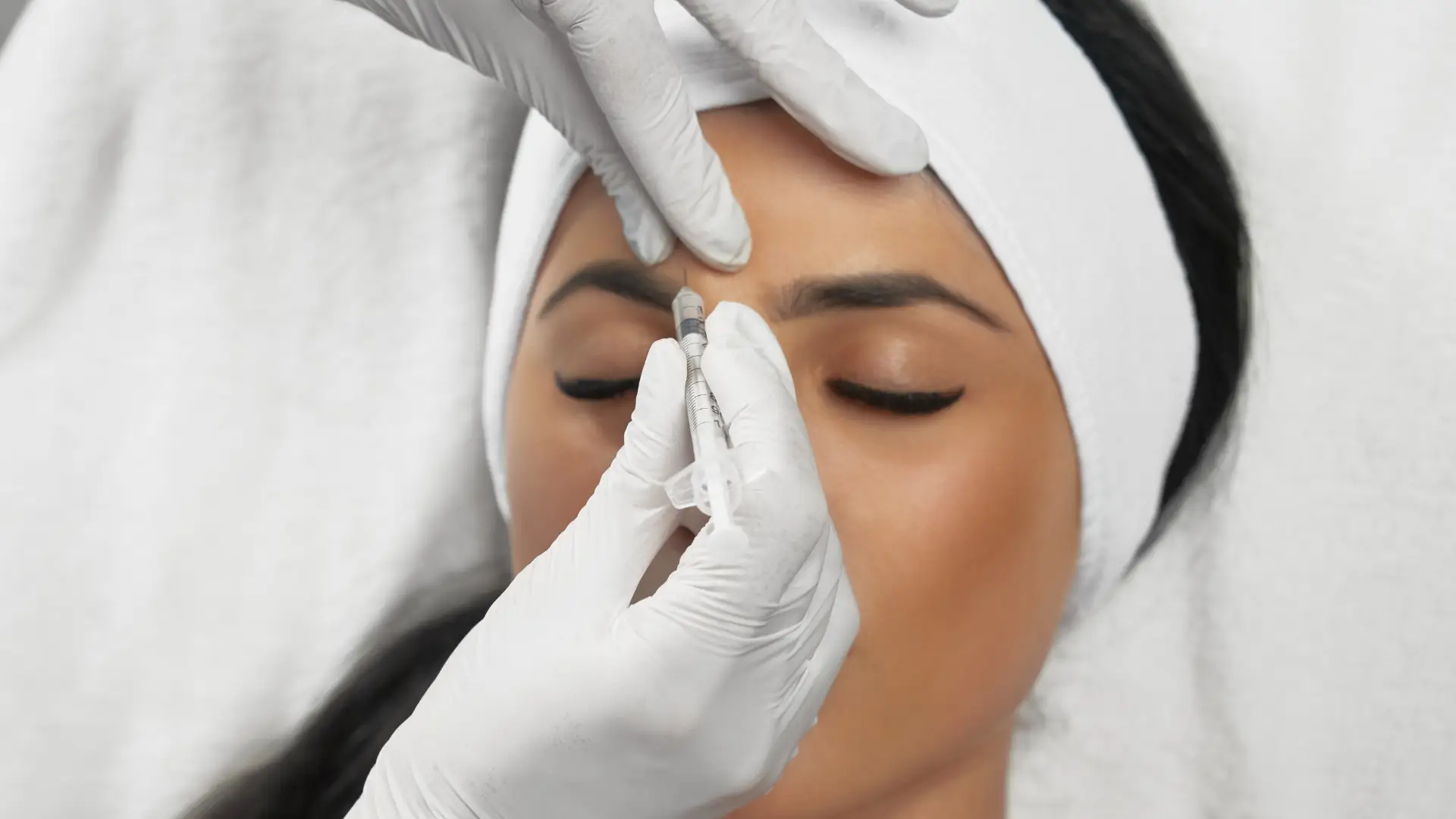
After injection, botulinum toxin type A acts at peripheral cholinergic nerve terminals and inhibits acetylcholine release at the neuromuscular junction [1][2]. This temporarily reduces contraction of the targeted muscles, which can soften dynamic facial lines associated with repeated muscle movement over time.
In practice, Azzalure can soften the lines between the eyebrows that appear when a patient frowns, as well as crow’s feet at the outer corners of the eyes when they smile [1]. The median onset of response is around 2–3 days after treatment, and maximum effect was assessed around day 30 in the relevant clinical studies [1][2]. In a randomized, placebo-controlled study, a single treatment with abobotulinumtoxinA significantly improved moderate-to-severe glabellar lines at day 30 compared with placebo [3].
For glabellar lines, clinical efficacy has been demonstrated for up to four months. For lateral canthal lines, clinical studies demonstrated efficacy for about 12–16 weeks, although individual results vary [1]. As the treatment gradually wears off and normal muscle movement returns, wrinkles and fine lines may become more noticeable again. Because the effect is temporary and individual response varies, follow-up treatments are usually scheduled around the return of muscle movement rather than treated as a one-time, permanent fix.
Azzalure reconstitution is done aseptically with the specified 0.9% sodium chloride solution for injection before administration. Handle, store, and discard the reconstituted solution according to the current product information and local infection-control requirements. It is intended for use in one patient during a single treatment session.
The exact reconstitution ratios, syringe technique, and disposal steps involve more detail than fits within an identity-focused overview like this one. Our dedicated guide to Azzalure reconstitution walks licensed healthcare professionals through dilution ratios, storage windows, and safe disposal practices; use it alongside the current product information, not in place of it.
What Conditions and Concerns Can Azzalure Address?
Azzalure’s licensed indications are narrow and specifically aesthetic. It is indicated for the temporary improvement of moderate-to-severe glabellar lines and lateral canthal lines in adults under 65, particularly where these lines have an important psychological impact [1].
Botulinum toxin type A products may have therapeutic indications outside aesthetic medicine, but approvals are product- and jurisdiction-specific. The current Azzalure UK product information does not list axillary hyperhidrosis (the medical term for excessive underarm sweating) as an indication; providers should consult the product information for the specific botulinum toxin brand being considered [1].
What Side Effects and Precautions Should Providers Review Before Administering Azzalure?
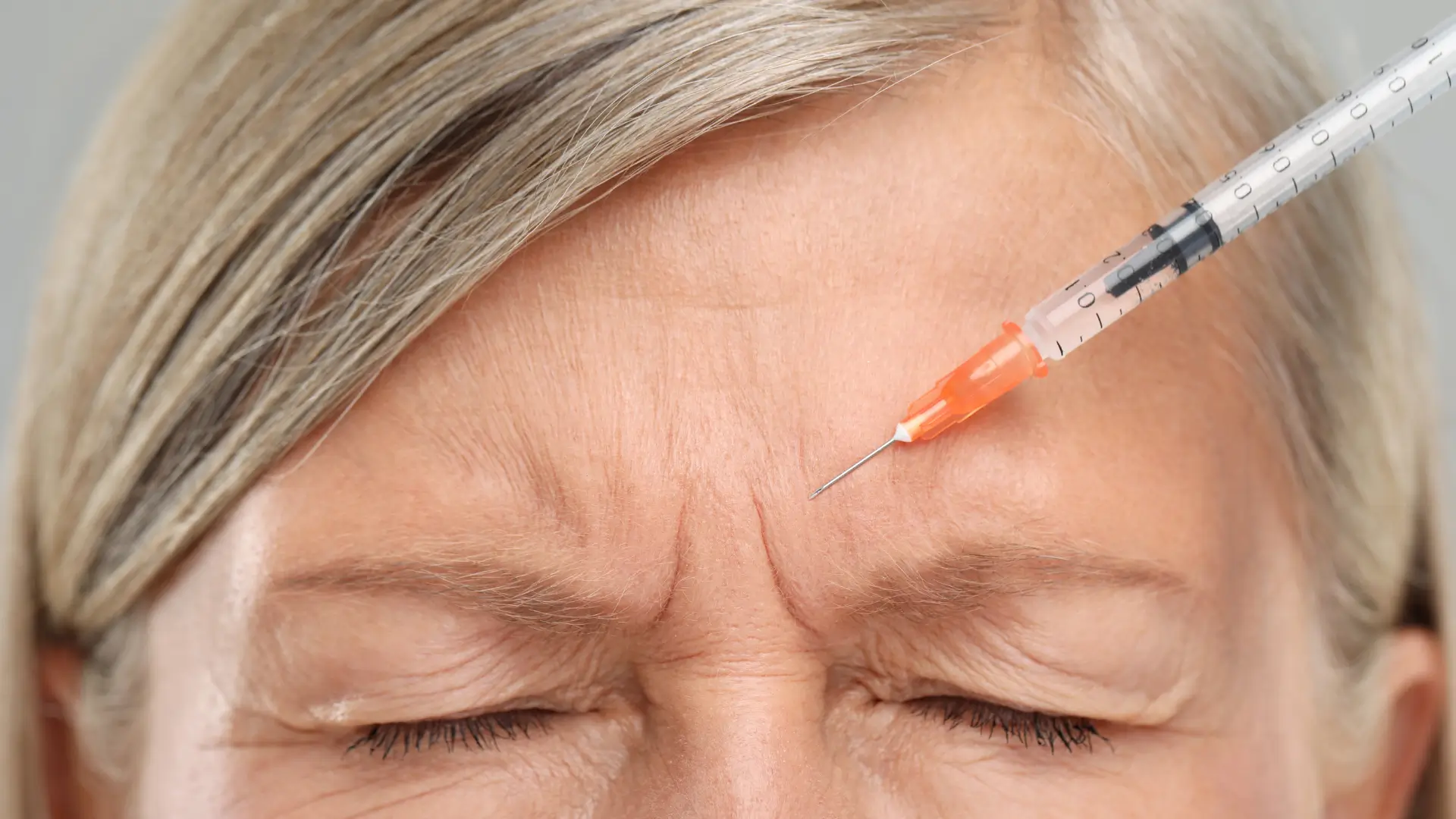
Common or very common adverse effects may include headache and temporary injection-site reactions such as redness, swelling, bruising, discomfort, itching, or irritation. Depending on the treated area, eyelid ptosis, eyelid swelling, temporary facial weakness, dry eye, visual disturbances, or other eye-related effects may also occur [1]. Rarely, botulinum toxin effects may extend beyond the injection site and cause marked muscle weakness, swallowing difficulty, or breathing problems. Seek urgent medical assessment if these symptoms develop [1].
Azzalure should not be used in patients with known hypersensitivity to the active substance or excipients, infection at the proposed injection site, or certain neuromuscular disorders. Patients with conditions such as myasthenia gravis, Lambert-Eaton syndrome, or amyotrophic lateral sclerosis require specialist assessment and should be managed according to the current product information [1]. Caution is required in patients with other neuromuscular-transmission disorders, dysphagia, aspiration risk, bleeding disorders, or inflammation at the proposed injection site [1]. Dry eye and reduced blinking are relevant precautions, particularly for periocular treatment. Concomitant aminoglycosides or other medicines affecting neuromuscular transmission may potentiate the toxin’s effects and should be considered when reviewing patient medication history [1].
Azzalure should not be used during pregnancy, and use during breastfeeding cannot be recommended because relevant clinical data are lacking [1]. Its safety and efficacy have not been established in patients under 18 [1]. Treatment should not be administered more frequently than every 12 weeks. More frequent injections or higher doses may increase the risk of neutralizing-antibody formation, which can reduce treatment effectiveness [1]. A thorough medical history and facial assessment before treatment remain the most reliable way to flag these precautions early.
Azzalure vs Botox: A Brief Comparison
The Azzalure vs Botox debate comes up often among clinics deciding which botulinum toxin type A product to stock, and the honest answer is that neither is universally better. They are different licensed formulations with product-specific dosing units. Do not convert Speywood units directly to the units of Botox or other botulinum toxin products [1][2]. Because the products use different unit systems and regulatory labeling, clinicians should follow product-specific dosing information rather than assume direct conversion or universal superiority.
Beyond choosing the right product for a given patient, other factors like injector training, patient preference, pricing structure, and specific treatment areas shape the treatment protocol’s overall safety, convenience, and efficacy.
Looking to buy Azzalure online? Contact the Medica Depot support team for further guidance.
The contents of this page are meant for licensed medical professionals. They serve informational purposes only and are not to be taken as medical advice.
Citations
[1] Galderma (U.K.) Limited. “Azzalure, 125 Speywood Units, Powder for Solution for Injection: Summary of Product Characteristics (SmPC).” electronic Medicines Compendium (emc), 12 Feb. 2026, www.medicines.org.uk/emc/product/6584/smpc.
[2] Rzany, B et al. “Treatment of glabellar lines with botulinum toxin type A (Speywood Unit): a clinical overview.” Journal of the European Academy of Dermatology and Venereology : JEADV vol. 24 Suppl 1 (2010): 1-14. doi:10.1111/j.1468-3083.2009.03475.x
[3] Brandt, Fredric et al. “Randomized, placebo-controlled study of a new botulinum toxin type a for treatment of glabellar lines: efficacy and safety.” Dermatologic surgery : official publication for American Society for Dermatologic Surgery [et al.] vol. 35,12 (2009): 1893-901. doi:10.1111/j.1524-4725.2009.01235.x
[4] Galderma. “Azzalure.” Galderma, www.galderma.com/azzalure.
[5] Galderma and Ipsen. “Azzalure® Approved in the UK for Aesthetic Use in the Treatment of Glabellar Lines.” Galderma, 12 Mar. 2009, www.galderma.com/news/azzalure-r-approved-uk-aesthetic-use-treatment-glabellar-lines.
This content was prepared and reviewed under our editorial guidelines , which govern how we source, verify, and update clinical and product information. Every claim is checked against peer-reviewed research, manufacturer documentation, or regulatory guidance before publication.