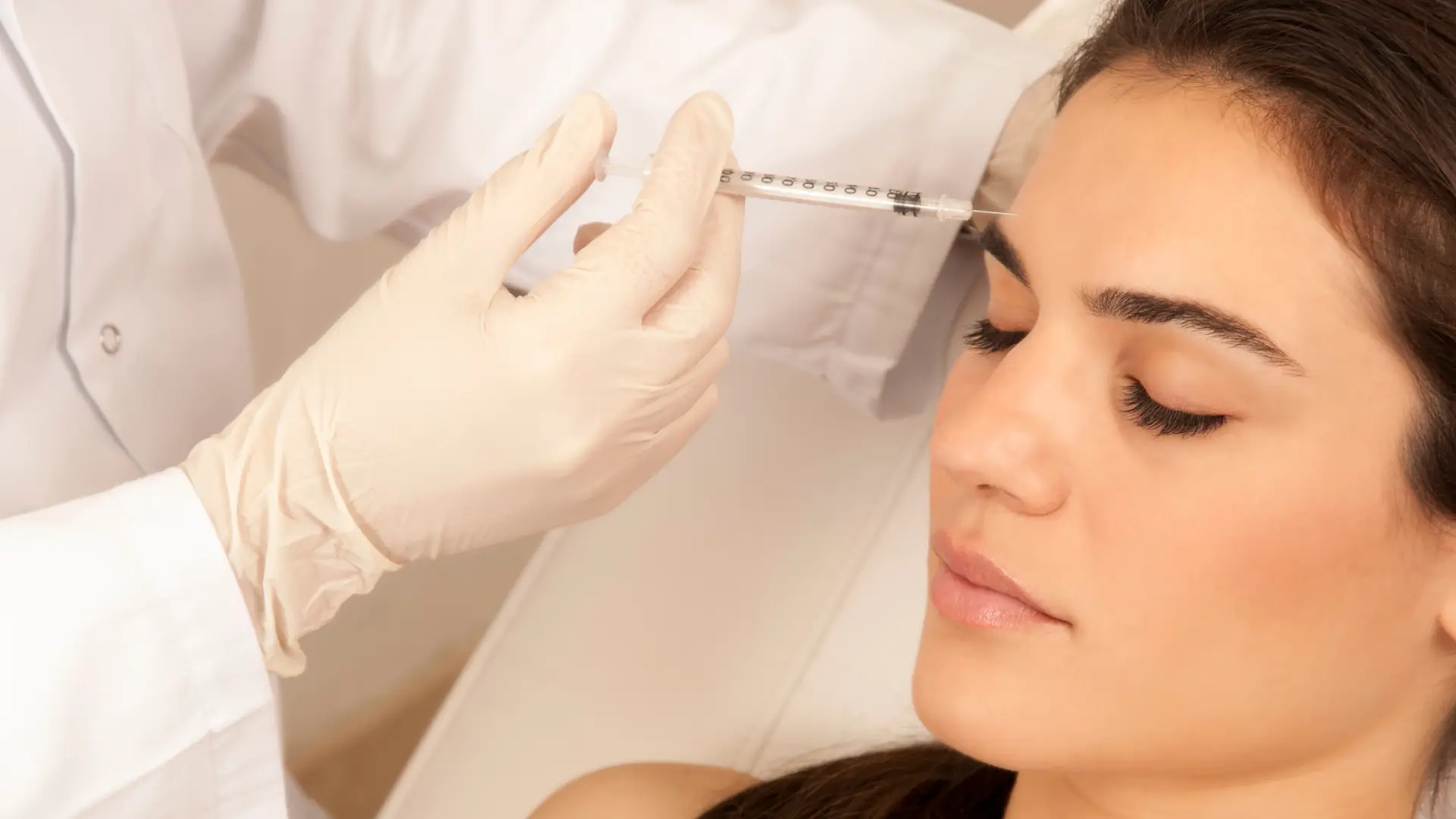
Proper preparation is the foundation of safe, predictable results with botulinum toxin treatments, and Azzalure reconstitution is one of the most consequential technical steps a practitioner performs before injection. This guide covers how to reconstitute Azzalure correctly, the Azzalure dilution ratios for each treatment area, and the handling points every clinic should understand before opening a vial.
At Medica Depot, we know that clinics that buy Azzalure wholesale need more than a product sitting on a shelf. Licensed practitioners want confidence in how to prepare it, and this article walks through the process step by step.
Learn how Azzalure is supplied, the manufacturer’s reconstitution guidelines, dilution ratios for glabellar and lateral canthal lines, and how preparation considerations shift when Azzalure is discussed for uses outside its licensed indications, such as hyperhidrosis.
Key Takeaways
- Reconstitute Azzalure with sodium chloride 9 mg/mL (0.9%) solution for injection, using strict aseptic technique.
- The same 125 Speywood unit vial can be diluted with either 0.63 mL or 1.25 mL of saline, producing two different dosing concentrations.
- Use reconstituted Azzalure immediately from a microbiological standpoint; if not used immediately, in‑use storage times and conditions are the user’s responsibility and are typically limited (e.g., a few hours refrigerated), per the SmPC. Do not treat more frequently than every three months.
About: Medica Depot is your trusted all-in-one supplier, offering a range of high-quality medical injectables and supplies. We offer a worry-free experience in searching for the best and most popular products on the market, like Azzalure. Whether for health professionals, plastic surgeons, dermatologists, licensed estheticians, or other specialists, we can offer genuine, brand-name products you may need. With Medica Depot, we prioritize serving you better to improve the patient’s quality of life.
An Overview of Azzalure Reconstitution and Dilution
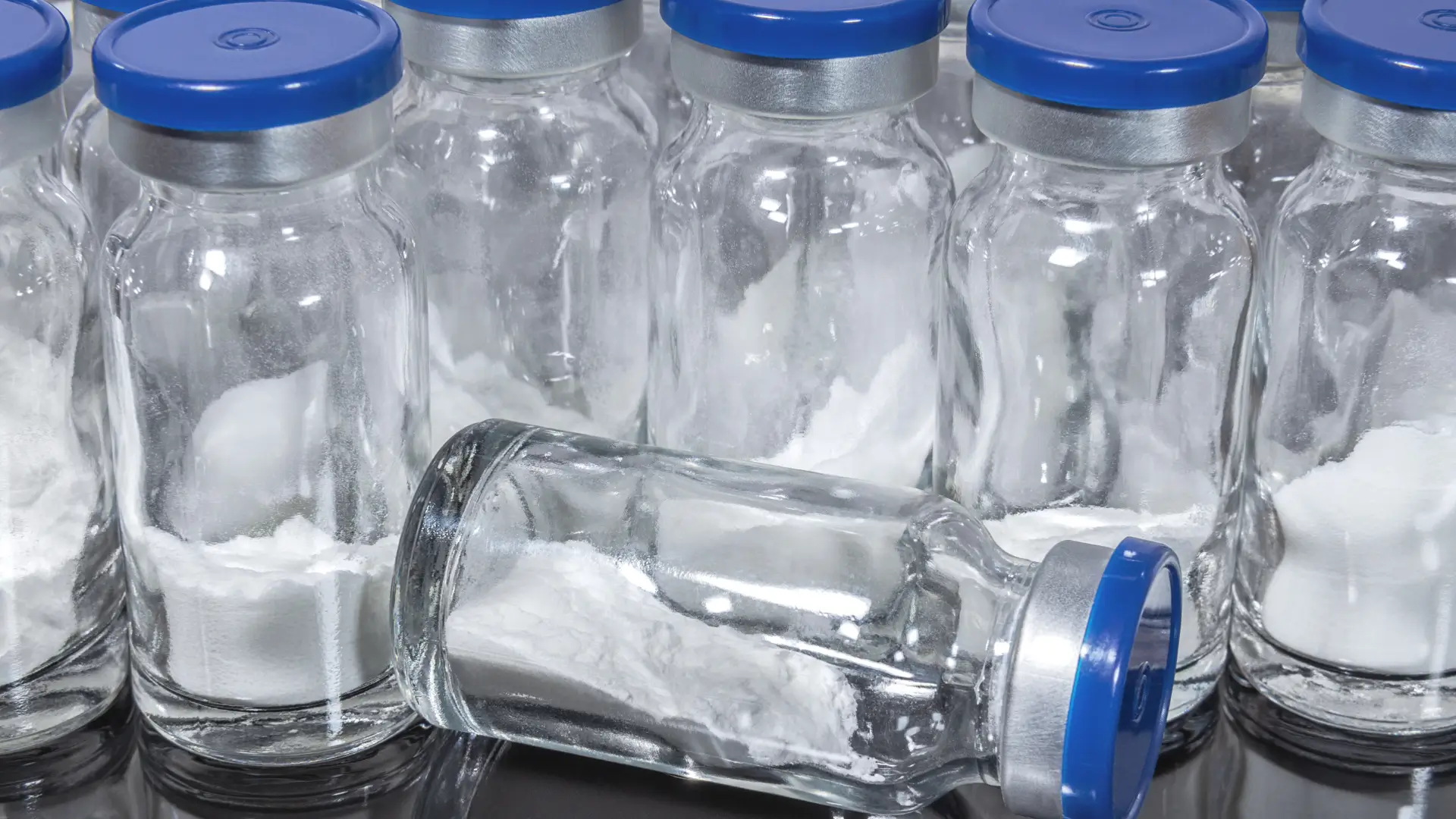
Before starting any Azzalure treatment, you must reconstitute the product. This process dissolves the freeze-dried powder into a liquid, preparing the formulation for injection. Azzalure reconstitution is a required preparation step, and it directly affects the concentration and accuracy of every dose that follows.
Because Azzalure is a botulinum toxin type A product, small variations in dilution can meaningfully change the amount of toxin delivered per injection site [1]. For practitioners who have searched how to reconstitute Azzalure before opening a new vial, the process itself is more straightforward than it initially looks once the underlying logic is clear.
The workflow comes down to one diluent, one concentration table, and a small set of aseptic steps repeated consistently.
What Is Azzalure Supplied As?
Azzalure is supplied as a powder for solution for injection: a sterile, freeze-dried white powder that requires reconstitution before administration [1]. Each vial contains a fixed quantity of botulinum toxin type A, expressed in Speywood units. This dosing scale is specific to Azzalure and is not interchangeable with the units used by other botulinum toxin products [1].
Powder and Speywood Units
A single Azzalure 125 Speywood units powder vial supplies enough reconstituted solution for the doses used across its licensed indications. Once reconstituted, that same 125-unit vial allows a practitioner to draw up to 50 Speywood units for glabellar lines, or 30 Speywood units per side for lateral canthal lines. The dose is delivered in individual injection points of 10 Speywood units each [1]. These doses are per treatment session and per licensed area; the 125‑unit vial contains more than is used for a single licensed area in one session.
Azzalure injections gained approval for cosmetic use in the UK in 2009 and have since been used across many European markets under this Speywood-unit dosing system [4]. Understanding how a 125-unit vial breaks down into smaller aliquots is the starting point for getting Azzalure reconstitution guidelines right.
Sourcing and Storage Considerations for Clinics That Buy Azzalure Wholesale
Because Azzalure is a temperature-controlled biologic, shipping conditions matter across the entire supply chain. Clinics that buy Azzalure wholesale should confirm cold-chain documentation and vial-integrity checks with their distributor before accepting delivery. Requirements to purchase Azzalure online vary by jurisdiction, and licensed professionals evaluating where to buy Azzalure online should verify their regional regulations. Ongoing shipping arrangements should also maintain the 2–8°C range required for stable storage between deliveries.
How to Reconstitute Azzalure Step by Step
Reconstituting Azzalure follows a defined process, and getting it wrong is a common source of dosing error in clinic. The manufacturer’s Azzalure reconstitution guidelines call for the following approach:
- Confirm the vial has been stored correctly, refrigerated between 2°C and 8°C, and inspect it for damage before opening.
- Clean the vial’s rubber stopper with an alcohol swab.
- Draw up the required volume of sodium chloride 9 mg/mL (0.9%) solution for injection. This is the only diluent recommended for Azzalure.
- Slowly introduce the sodium chloride solution into the vial, directing it against the glass rather than forcing it directly onto the powder.
- Mix the vial gently, rather than shaking it, until the powder fully dissolves into a clear, colorless solution.
- Visually inspect the reconstituted solution. It should be clear and free of particulate matter before drawing it into a syringe.
Practitioners should carry out all steps using aseptic, good-practice technique. Azzalure is intended to treat a single patient during a single session, and any unused reconstituted product must be inactivated and disposed of rather than stored for later use [1,3]. These same handling principles are echoed in the official patient-facing leaflet issued alongside the product [1].
How Much Should Azzalure Be Diluted?
Once practitioners understand the general steps, the next question is how much Azzalure to dilute for a given syringe or treatment plan. Azzalure dilution instructions are built around a single 125-unit vial and two standard sodium chloride volumes, each producing a different, clearly defined concentration [1]:
| Sodium Chloride 0.9% Added to a 125 U Vial | Resulting Concentration |
| 0.63 mL | 10 Speywood units per 0.05 mL |
| 1.25 mL | 10 Speywood units per 0.1 mL |
Both are accepted approaches to diluting Azzalure to 125 units. How to dilute Azzalure mostly depends on the syringe available and the practitioner’s preferred injection volume. A 1 mL syringe graduated in 0.1 mL and 0.01 mL increments allows accurate measurement of either 0.63 mL or 1.25 mL [1].
Regardless of which dilution is chosen, the recommended dose for a given treatment area does not change. Only the injected volume needed to deliver that dose shifts accordingly.
How Does Azzalure Dilution Vary by Treatment Area?
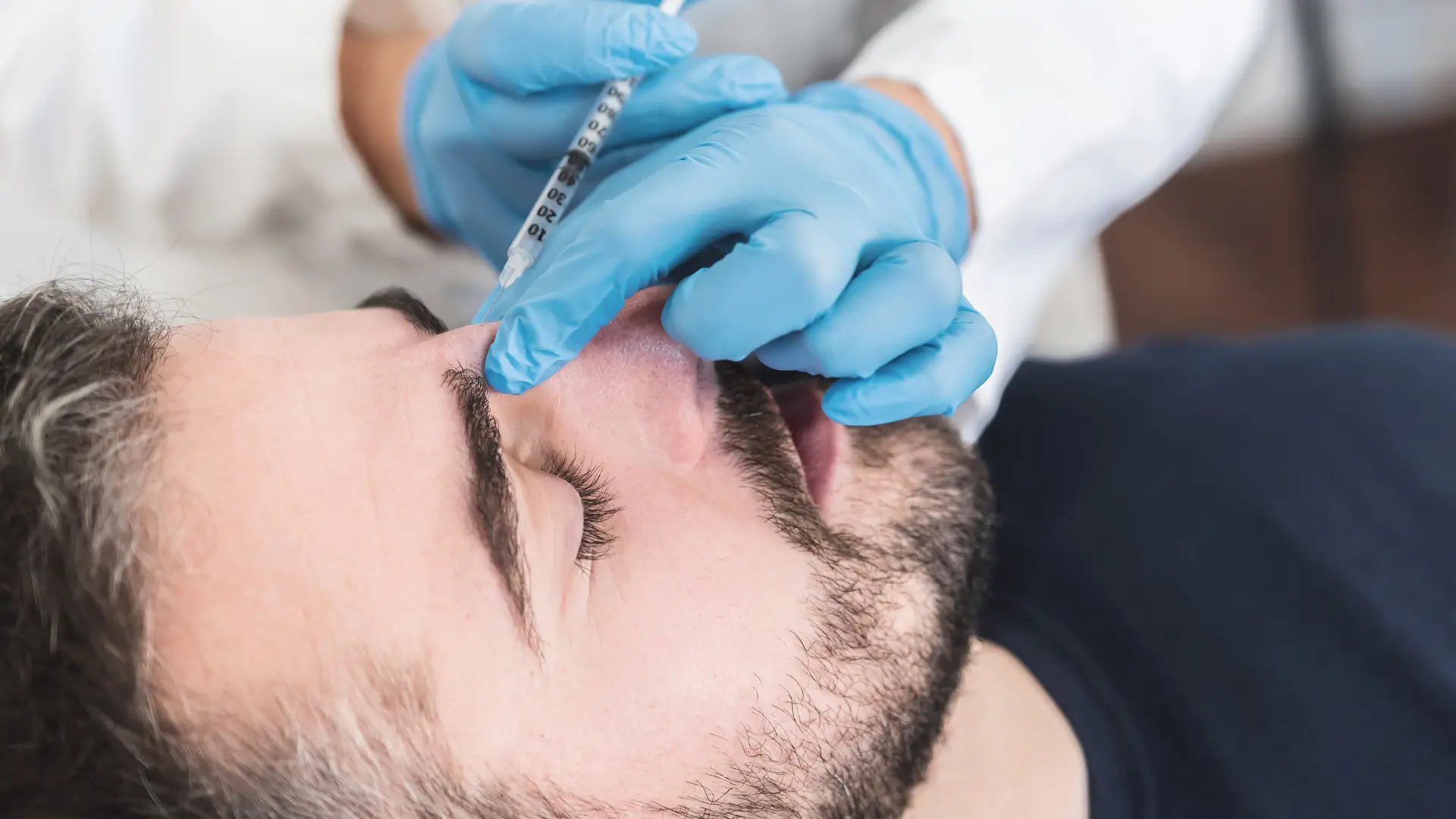
Azzalure’s licensed uses are the temporary improvement of glabellar lines and lateral canthal lines, and the label-recommended dose differs by area [1].
For glabellar lines, the recommended dose is 50 Speywood units per session, divided into five 10-Speywood-unit aliquots across the corrugator muscles and the procerus muscle near the nasofrontal angle [1]. For canthal lines (also called lateral canthal lines, or crow’s feet), the recommended dose is 30 Speywood units per side, delivered as three 10-Speywood-unit aliquots into the lateral orbicularis oculi region [1].
In both cases, the product label fixes the total dose. However, the dilution volume (0.63 mL versus 1.25 mL) changes only the injected volume required to deliver each 10-unit aliquot, not the number of units administered.
Are There Different Dilution Considerations for Hyperhidrosis?
Clinics often ask about Azzalure dilution for hyperhidrosis, but it is worth being precise about what Azzalure is actually licensed for. Per its product information, Azzalure’s approved indications are limited to glabellar lines and lateral canthal lines in adults under 65. Hyperhidrosis is not a licensed use for this specific product [1].
More broadly, botulinum toxin type A has a well-established evidence base for focal hyperhidrosis. Published dermatology literature describes off-label protocols for excessive sweating that typically involve a grid of closely spaced intradermal injections across a broader surface area, rather than the discrete intramuscular sites used for facial lines [2].
Because the treatment area is larger and more diffuse, these off-label approaches often use higher total doses than a standard glabellar or lateral canthal treatment, with dilution volumes adapted accordingly by the treating clinician [2].
Hyperhidrosis sits outside Azzalure’s approved product information, so the dosing table above should be treated as specific to glabellar and lateral canthal lines only. Any clinic considering off-label use should consult current peer-reviewed protocols and exercise independent clinical judgment, within applicable prescribing regulations, before extrapolating dilution volumes to other treatment areas.
What Injection Technique Follows Reconstitution?
Reconstitution and dilution set up the dose. Injection technique delivers it accurately and safely. Needle angle, depth, and the anatomical landmarks used for glabellar and lateral canthal injections all build directly on the dilution choices covered above. A slightly different injected volume matters very little if the injection technique itself is imprecise.
Looking to buy Azzalure online? Get in touch with the support representatives at Medica Depot for further guidance.
The contents of this page are meant for licensed medical professionals. They serve informational purposes only and are not to be taken as medical advice.
Citations
[1] Galderma (U.K.) Limited. “Azzalure, 125 Speywood Units, Powder for Solution for Injection: Summary of Product Characteristics (SmPC).” electronic Medicines Compendium (emc), 12 Feb. 2026.
[2] Lewandowski, Miłosz et al. “Off-Label Use of Botulinum Toxin in Dermatology-Current State of the Art.” Molecules (Basel, Switzerland) vol. 27,10 3143. 13 May. 2022, doi:10.3390/molecules27103143
[3] Health Products Regulatory Authority. “Azzalure, 125 Speywood Units, Powder for Solution for Injection: Summary of Product Characteristics.” Health Products Regulatory Authority, 9 Feb. 2026, assets.hpra.ie/products/Human/28833/Licence_PA1613-001-001_09022026144404.pdf.
[4] Consulting Room. “Azzalure® Botulinum Toxin Type A Information.” www.consultingroom.com/treatment/azzalure.
This content was prepared and reviewed under our editorial guidelines , which govern how we source, verify, and update clinical and product information. Every claim is checked against peer-reviewed research, manufacturer documentation, or regulatory guidance before publication.