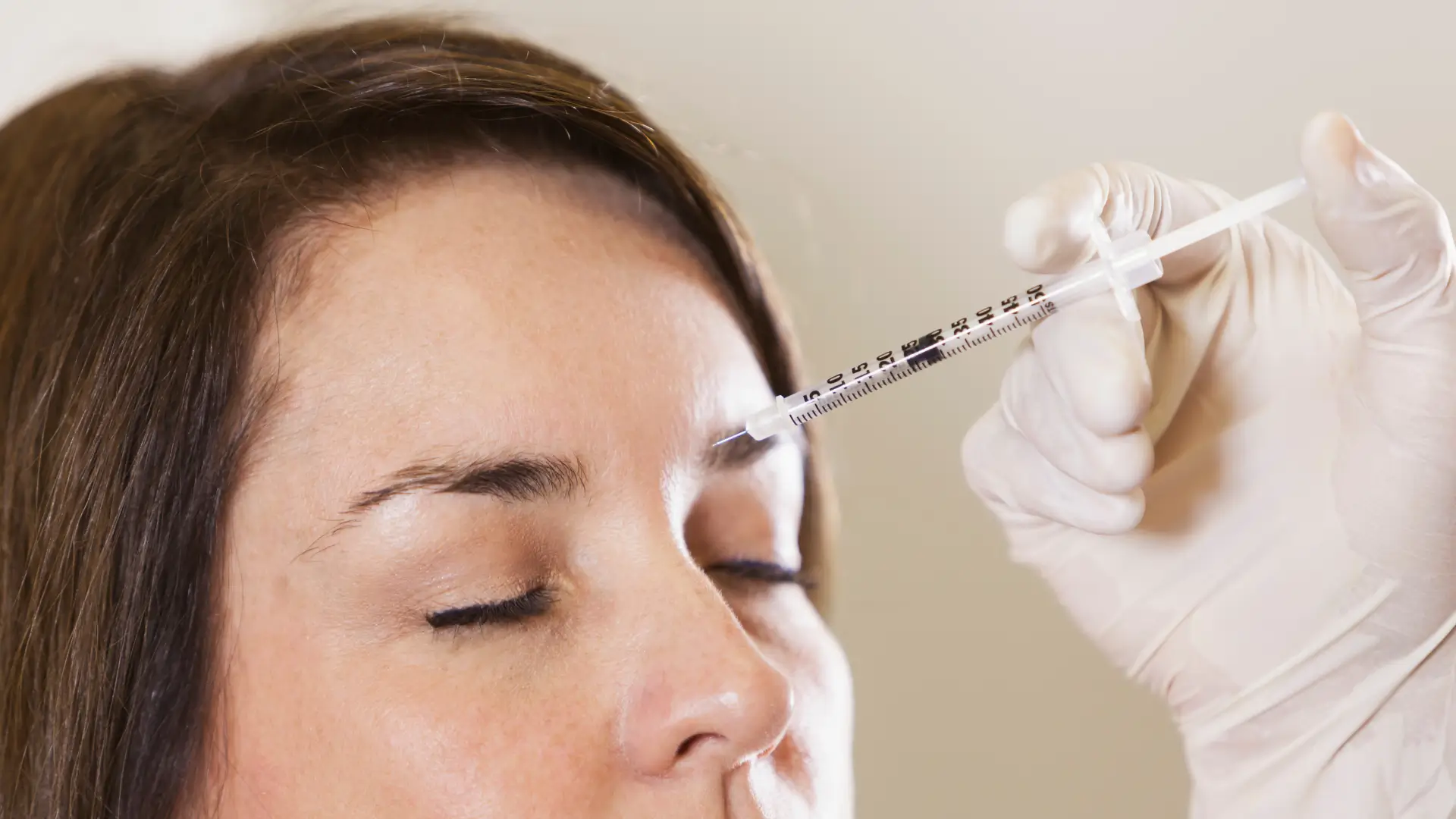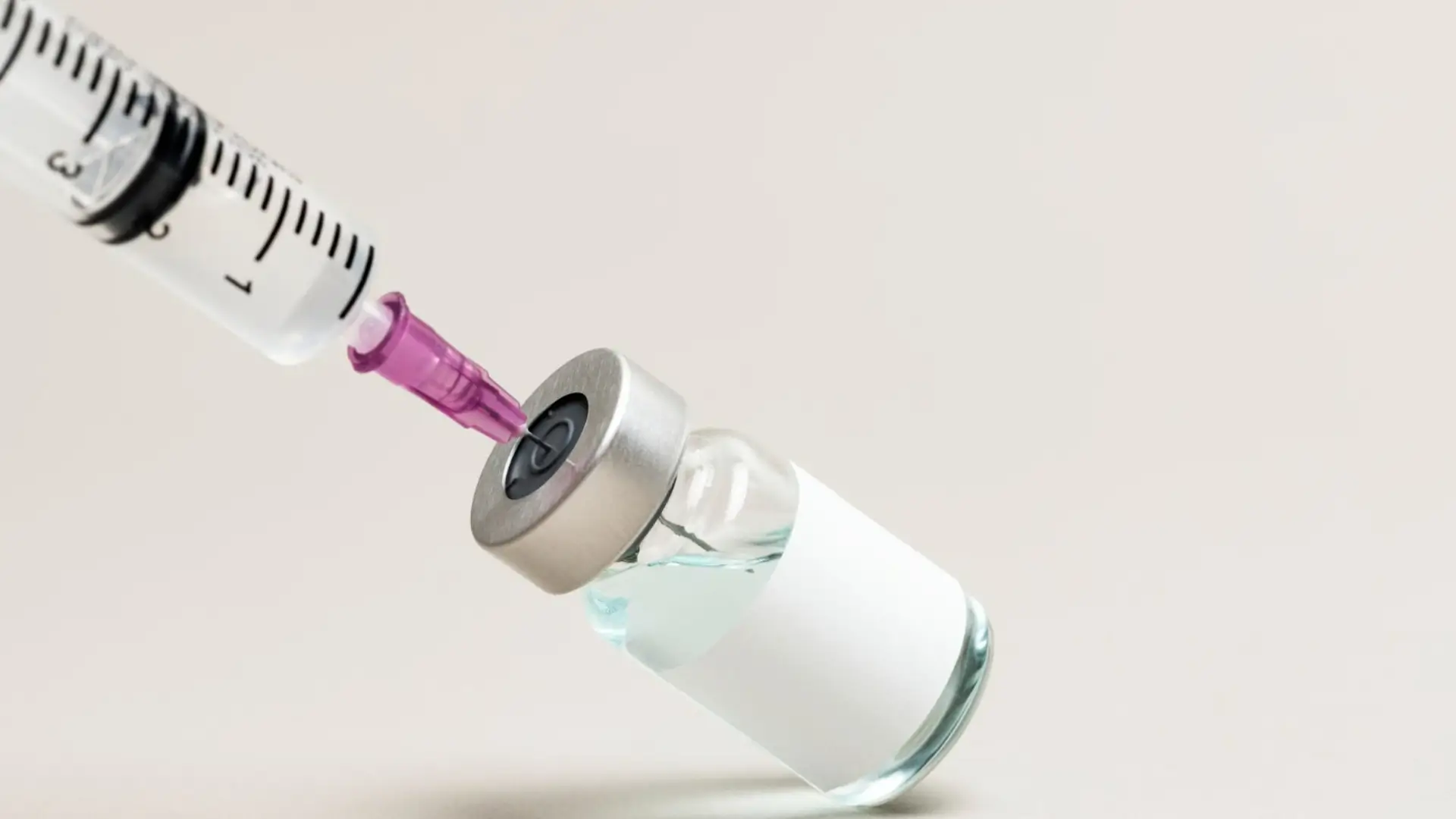
Botulax storage is one of the most practical questions clinics and suppliers deal with once a shipment arrives, since a freeze-dried botulinum toxin product is only as reliable as the cold chain that got it there. The material below is written for clinicians and staff who buy Botulax online or through other distribution channels, and walks through how Botulax should be stored before and after reconstitution, how long a reconstituted vial remains usable, and what a Botulax storage box needs to do to protect it in transit.
Medica Depot covers Botulax® storage and handling here as general clinical and industry guidance, not as a description of any one company’s own supply or handling practices.
Key Takeaways
- Botulax storage before reconstitution means refrigeration at 2–8°C as a freeze-dried powder, and manufacturer labeling instructs against freezing.
- Once reconstituted, Botulax is labeled for refrigerated storage and use within a defined window, typically 24 hours.
- Cold chain failures, not the toxin itself, are the most common reason clinics and suppliers lose potency in a shipment.
About: Medica Depot is your trusted all-in-one supplier, offering a range of high-quality medical injectables and supplies. We offer a worry-free experience in searching for the best and most popular products on the market, like Botulax. Whether for health professionals, plastic surgeons, dermatologists, licensed estheticians, or other specialists, we can offer genuine, brand-name products you may need. With Medica Depot, we prioritize serving you better to improve the patient’s quality of life.
Botulax Storage: An Overview for Clinics and Suppliers
Botulax storage sits at the intersection of biology and logistics: it’s a premium botulinum toxin product, but like every purified botulinum toxin formulation on the market, it’s a protein-based biologic that degrades under the wrong conditions long before its printed expiry date.
Clinics and suppliers handling Botulax are really managing two separate storage problems — how the unopened vial is kept before use, and how the reconstituted solution is kept once it’s been mixed for injection. Both stages have their own temperature requirements, handling risks, and consequences if something goes wrong.
How Is Botulax Supplied? Freeze-Dried Powder and Vial Sizes
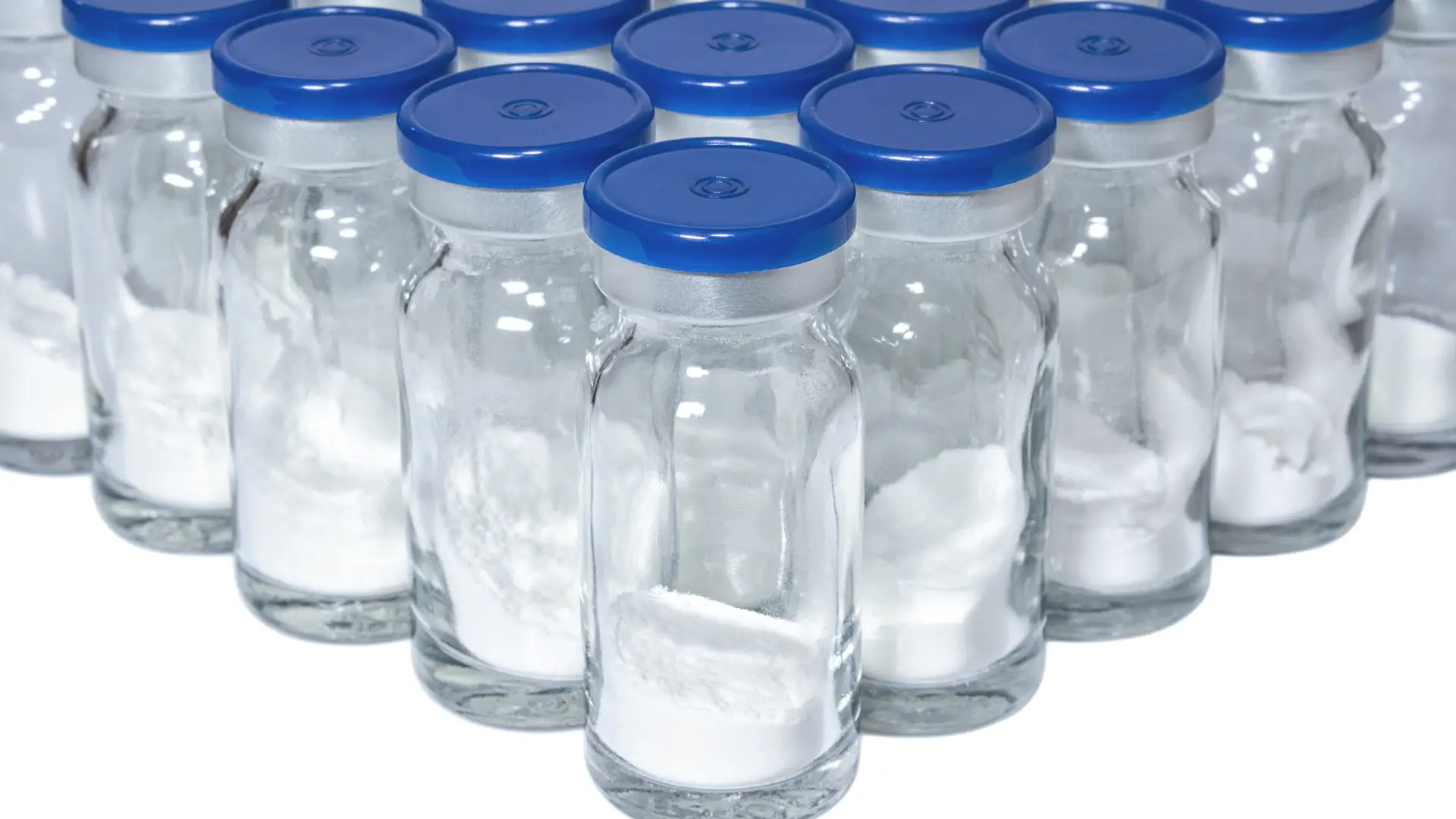
Botulax is supplied as a freeze-dried powder — a white to light-yellow lyophilized cake inside a sealed glass vial — rather than as a ready-to-use liquid botulinum toxin type product. It’s commonly available in 100 units and 200 units, with a Botulax 300 units presentation approved for therapeutic indications including post-stroke upper limb spasticity [4], all classified as a Clostridium botulinum toxin type A product.
The freeze-drying process is what allows the product to remain stable in its unopened state for an extended shelf life, since removing moisture slows the protein degradation that would otherwise occur in a liquid formulation.
This is standard practice across units of botulinum toxin from most manufacturers, not something specific to one brand — the dry powder format is what makes a premium botulinum toxin type product practical to ship, stock, and store across different climates before it’s ever reconstituted.
Why Are These Storage Conditions Required?
The reason Botulax storage is so strict comes down to what the product actually is: a large, structurally fragile protein, not a small stable molecule like most conventional drugs. As a South Korean–manufactured biologic, Botulax follows the same protein-stability logic that governs every botulinum toxin type A product regardless of origin — heat accelerates breakdown of its molecular structure, which is why refrigeration at a consistent 2–8°C is the labeled condition.
Manufacturer labeling also instructs against freezing the unopened vial: independent of any potency studies that exist for reconstituted product, off-label storage voids the approved handling conditions clinics are expected to work within.
Light exposure adds a smaller but real risk, which is why vials are kept in their original carton rather than left out on a counter between uses.
How Long Does Botulax Last Once Mixed?
Manufacturer labeling permits refrigerated storage at 2–8°C for up to 24 hours after reconstitution and dilution, consistent with clinical trial storage protocols documented for this product class [2].
Reconstituted Botulax should appear colorless and transparent — any cloudiness or visible particles is a reason to discard the vial rather than use it. This labeled shelf life is conservative by design: peer-reviewed evidence, including a consensus review of reconstituted neurotoxin storage and earlier work on refrozen and refrigerated reconstituted toxin, has found that potency in this product category can be maintained well beyond 24 hours under continuous refrigeration [1][3].
The 24-hour window is best understood as a labeling and microbiological-sterility guardrail rather than a potency cutoff, and routine practice generally sticks closer to that labeled window regardless. Related questions or queries like, “How long reconstituted Botox is good for at room temperature?”
also comes up often; manufacturer guidance for this product class calls for refrigeration at every stage after mixing rather than room-temperature holding.
What Does Cold Chain and Transport Involve?
Cold chain handling starts well before a clinic ever sees the product. Botulax typically ships in a Botulax storage box lined with insulation and gel packs or dry ice, designed to keep the shipment within its required range for the duration of transit rather than relying on ambient conditions.
Once received, vials should be kept in a refrigerator dedicated to medical stock — not a shared staff fridge — ideally with a calibrated thermometer and a temperature log that gets checked rather than assumed.
Suppliers face the same requirements in reverse: verifying cold-chain integrity on receipt from the manufacturer, and re-packing correctly for onward shipment so that a broken chain at any single link doesn’t go unnoticed until a clinic opens a compromised vial.
What Does This Mean for Clinics and Suppliers in Practice?
In practice, storage isn’t separate from dosage and administration technique — a vial that’s been mishandled can still look fine and still under-perform once injected, which makes correct storage part of getting consistent results rather than a housekeeping afterthought. This matters across both medical and cosmetic applications Botulax is used for, from wrinkle reduction to therapeutic indications like muscle spasticity, since inconsistent potency shows up as inconsistent outcomes regardless of why the product was administered.
For clinics, this usually means building storage checks into the same routine as inventory management: logging temperatures, dating vials at reconstitution, and discarding anything past its window rather than stretching it.
For suppliers, it means being transparent with clinics about how a shipment was handled before it arrived — which is also where reading up on Botulax reviews can be useful, since patient and practitioner feedback sometimes traces back to storage and sourcing rather than the toxin itself.
The contents of this page are meant for licensed medical professionals. They serve informational purposes only and are not to be taken as medical advice.
Citations
[1] Alam, Murad et al. “Consensus statement regarding storage and reuse of previously reconstituted neuromodulators.” Dermatologic surgery : official publication for American Society for Dermatologic Surgery [et al.] vol. 41,3 (2015): 321-6. doi:10.1097/DSS.0000000000000303
[2] Croma-Pharma GmbH. “A Double-Blinded Randomized Controlled Study to Compare the Efficacy, Time to Onset, and Duration of Effect of Botulinum Type A Toxins in the Treatment of Glabellar Frown Lines.” ClinicalTrials.gov, protocol CPH-201-201461, version 1.0, 27 Aug. 2019, cdn.clinicaltrials.gov/large-docs/65/NCT04763265/Prot_000.pdf.
[3] Sloop, R R et al. “Reconstituted botulinum toxin type A does not lose potency in humans if it is refrozen or refrigerated for 2 weeks before use.” Neurology vol. 48,1 (1997): 249-53. doi:10.1212/wnl.48.1.249
[4] Ministry of Food and Drug Safety. “Botulax Injection 300 Units (Clostridium Botulinum Toxin Type A).” Drug Safety Korea, nedrug.mfds.go.kr/pbp/CCBBB01/getItemDetail?itemSeq=202100911.
This content was prepared and reviewed under our editorial guidelines , which govern how we source, verify, and update clinical and product information. Every claim is checked against peer-reviewed research, manufacturer documentation, or regulatory guidance before publication.