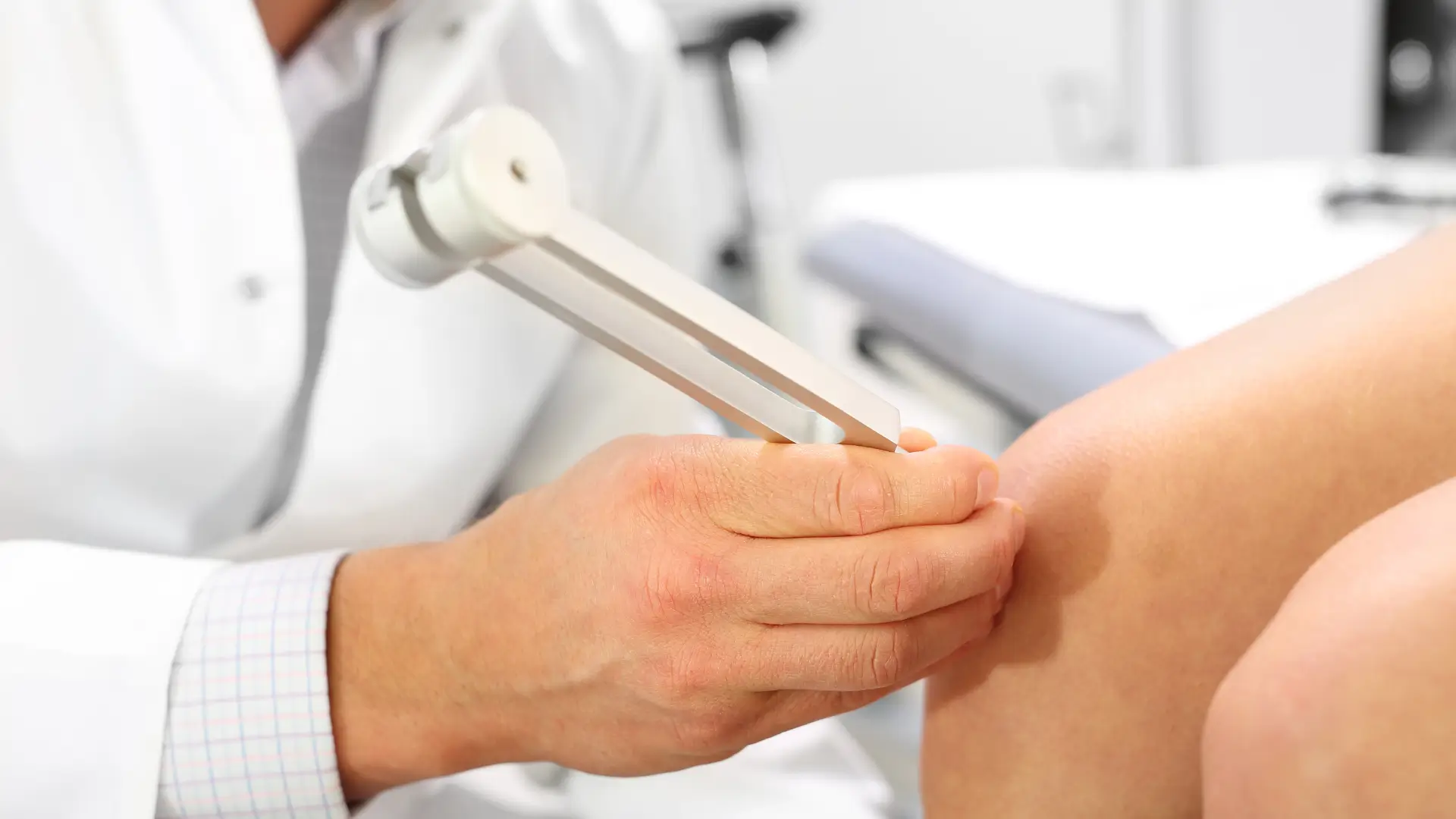
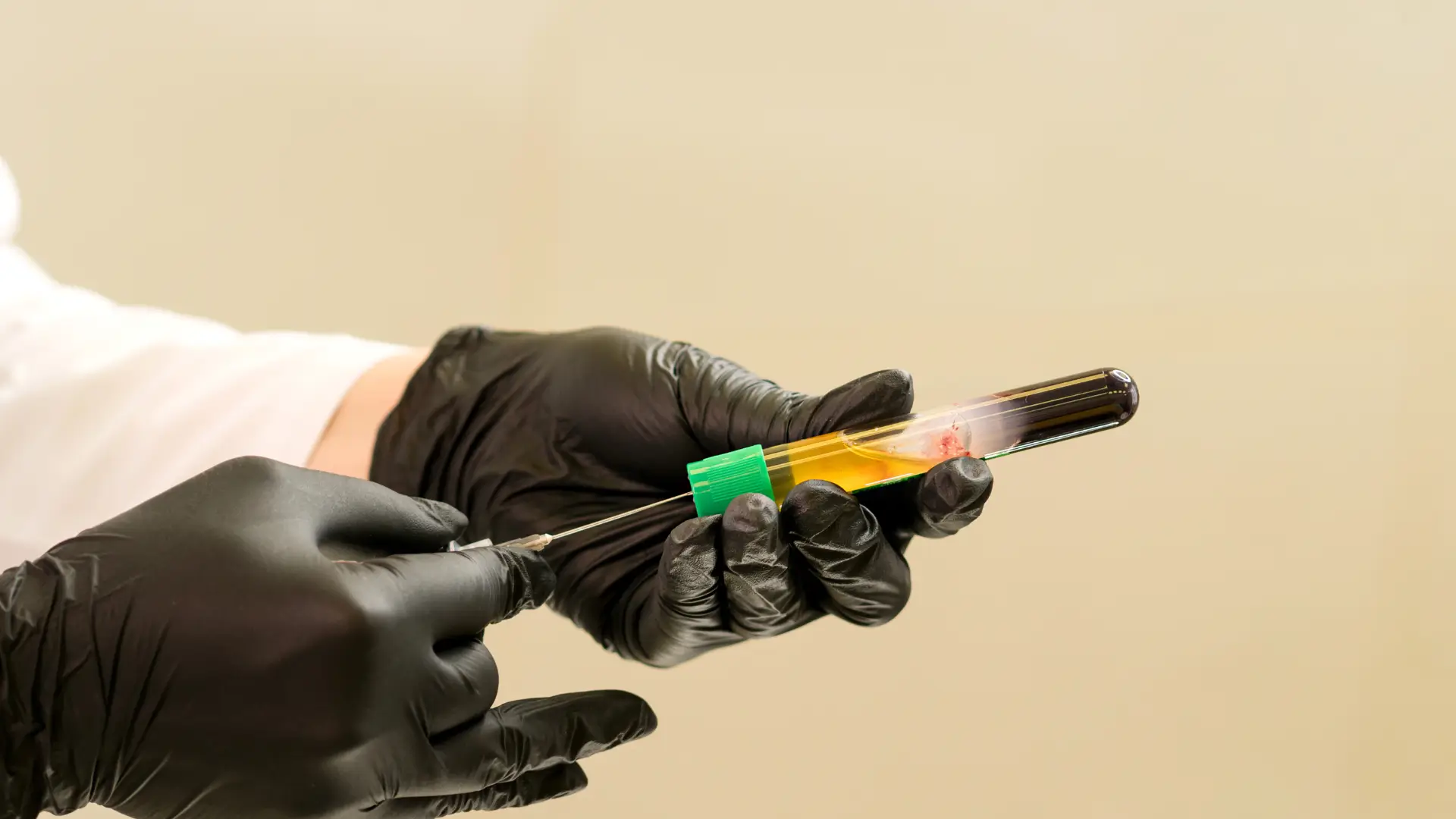
Cortisone injections remain one of the most widely used tools in orthopedic care for controlling localized pain and inflammation. The procedure delivers a synthetic corticosteroid directly into an inflamed joint, tendon sheath, bursa, or soft tissue, giving practitioners a way to calm an acute flare more locally than a course of oral anti-inflammatories.
This article explores what a cortisone injection is, what it does at a cellular level, the clinical conditions it treats, how it is administered, what patients experience during recovery, expected duration of relief, potential side effects, and how cost varies across settings.
Clinics and healthcare providers can order orthopedic injections from Medica Depot, and only medical professionals with the appropriate credentials should source or administer these formulations.
Key Takeaways
- Cortisone injections use a corticosteroid to suppress local inflammation and pain, most commonly at joints, tendon sheaths, and bursae.
- Onset is usually within a few days of treatment, and durability of relief varies by condition, ranging from a few weeks to several months.
- Providers generally cap treatment at three to four injections per year per site, with weeks to months between doses, to limit cumulative tissue and tendon risk.
About: Medica Depot is your trusted all-in-one supplier, offering a range of high-quality medical injectables and supplies. We offer a worry-free experience in searching for the best and most popular products on the market, like cortisone injections. Whether for health professionals, plastic surgeons, dermatologists, licensed estheticians, or other specialists, we can offer genuine, brand-name products you may need. With Medica Depot, we prioritize serving you better to improve the patient’s quality of life.
What Is a Cortisone Injection?
A cortisone injection is a type of corticosteroid shot used to reduce localized inflammation and pain. Cortisone shots use synthetic corticosteroids that mimic cortisol, the anti-inflammatory hormone produced by the adrenal glands.
When clinicians refer to a “cortisone shot” or steroid injection, they usually mean an injectable corticosteroid delivered into or around an inflamed joint, tendon sheath, bursa, or soft tissue. Common formulations include triamcinolone, methylprednisolone, and dexamethasone. Clinicians often draw the corticosteroid with a local anesthetic in the same syringe so the patient feels immediate numbness while the corticosteroid begins its slower anti-inflammatory work.
What Does a Cortisone Injection Do?
At the cellular level, a cortisone injection interrupts the inflammatory cascade. Injured or irritated tissue normally releases chemical mediators, including prostaglandins and cytokines, that produce swelling, pain, and loss of function.
Corticosteroids bind to intracellular receptors and change gene expression, suppressing the production of these mediators and reducing the migration of inflammatory cells into the treated area [1]. In practice, this often delivers a faster, more targeted response for the injected structure than a systemic course of oral anti-inflammatories, though the effect is local and does not address the underlying cause of the inflammation.
What Conditions Are Cortisone Shots Used to Treat?

Cortisone shots treat a broad range of musculoskeletal conditions where inflammation drives the pain [4]. Patients should always consult their trusted medical providers to determine whether cortisone is the appropriate treatment option for their specific condition.
Common indications include:
- Tennis elbow (lateral epicondylitis) and other tendon-related pain around the elbow. This is the sort of case where tennis elbow and cortisone injections most often come up in orthopedic practice.
- Carpal tunnel syndrome, to reduce pressure and inflammation around the median nerve.
- Trigger finger, where a finger becomes “stuck in a bent position” due to inflammation of the flexor tendon sheath.
- Bursitis, tendinitis, and osteoarthritis flare-ups in the knee, shoulder, hip, and other joints. Peri-tendinous injection is common for some conditions, but AAOS advises caution with intra-tendinous injection and with high-risk tendons such as the biceps, patellar, and Achilles because of the risk of rupture.
In each of these cases, the corticosteroid provides symptomatic relief in the treated area rather than a structural repair. The intent is to control an acute inflammatory flare so that rehabilitation strategies such as physical therapy or activity modification can proceed more comfortably.
How Is a Cortisone Injection Administered?
Careful preparation matters for any interventional procedure, and cortisone is no exception. Every treatment plan should be individualized to the patient’s condition, comorbidities, and prior injection history so that the right dose is delivered at the right frequency.
At the start of the procedure, the healthcare provider preps the injection site with an antiseptic. For deeper joints or structures near tendons and nerves, they may use ultrasound guidance to confirm accurate needle placement rather than rely on surface landmarks alone. Medical professionals often combine the corticosteroid with a local anesthetic in the same syringe so the patient feels immediate numbing at the site while injecting cortisone. A fine needle delivers the formulation, and the full anti-inflammatory effect generally builds over the following days.
Most treatment plans deliberately limit how often cortisone is used at any single site. Repeated exposure can gradually weaken tendons and cartilage, and documented cases of tendon rupture have occurred with heavy cumulative dosing near tendon insertions. In practice, healthcare providers usually cap injections in the same area at about three to four times a year [1], with sources recommending anything from six weeks to three months between injections at the same site.
Does a Cortisone Injection Hurt, and What Can You Expect During Recovery?
Most patients describe the injection itself as a brief sting or pressure, especially when a local anesthetic is included in the syringe. A short period of increased discomfort in the first day or two, often called a cortisone flare, is common. This often happens as the local anesthetic wears off and before the corticosteroid’s anti-inflammatory effect has fully set in.
What to Expect During Recovery
A flare should settle within a few days. Residual symptoms at one week can still occur while the steroid is taking full effect. Pain 1 week after a cortisone injection that is worsening or is accompanied by redness, warmth, swelling, or fever warrants prompt review, since those signs can point to infection or another complication.
For trigger finger specifically, a cohort study of more than 450 patients treated with a corticosteroid injection found that improvement in pain and triggering typically developed within about one to three weeks after the injection [5]. That study reported time to improvement rather than a universal rate of complete relief, so individual response still varies.
Providers generally recommend resting the treated area for the first 24 to 48 hours, applying ice as needed, and gradually resuming activity as pain relief and range of motion improve.
How Long Does a Cortisone Injection Last?
It depends on the condition, the specific corticosteroid used, and whether the underlying inflammatory trigger is still active [3].
For trigger finger, many patients experience months of relief, often in the range of three to twelve months after one or two injections. For carpal tunnel syndrome, relief more commonly falls in a two- to six-month window, and the injection is often used as a bridge to definitive treatment or a diagnostic step. For tennis elbow, benefit is typically short-term, about six to eight weeks, with less consistent advantage beyond that. Some evidence suggests the initial benefit may be lost or even reversed by three to six months.
Factors that influence how long the benefits of cortisone shots last include the specific corticosteroid and dose used, the severity and chronicity of the underlying condition, and whether contributing activities or biomechanics continue after treatment.
What Are the Side Effects and Disadvantages of Cortisone Injections?
Cortisone injections side effects are usually mild and self-limiting, but both patients and clinicians should be aware of the more common events and the less frequent but more serious risks.
The events patients most often report are injection site pain or swelling and the temporary cortisone flare in the first 24 to 48 hours. Some patients experience facial flushing or warmth, transient skin changes near the injection site, and a short-term rise in blood glucose, which is a particular consideration in diabetic patients. Patients sometimes ask: can a cortisone injection cause a headache? Headache is a recognized short-term side effect for a subset of patients, generally mild and transient.
Others ask: can cortisone injections cause weight gain? Localized injections rarely produce systemic steroid effects, and major sources note that weight gain is not an expected outcome of a local shot. If short-term change does occur, it is uncommon and more often tied to fluid retention than fat gain.
Patients on blood thinners warrant added caution, since anticoagulant therapy can increase the risk of bruising or bleeding at the injection site. Repeated or high cumulative dosing carries more substantial risks, including weakened tendons and ligaments, tendon rupture, thinning of joint cartilage, elevated blood pressure, and reduced local ability to fight infection [2]. These are among the key disadvantages and side effects of cortisone injections that inform why providers cap treatment frequency in any single treatment area.
How Do Cortisone Injections Compare to Other Orthopedic Injections?
Cortisone is only one of several orthopedic injection types used in musculoskeletal care. Hyaluronic acid injections, sometimes called viscosupplementation, address joint lubrication and cushioning rather than suppressing inflammation. Practitioners often turn to it for knee osteoarthritis when corticosteroids have started to give diminishing returns.
Orthopedic PRP injections (platelet-rich plasma) take another approach, concentrating a patient’s own growth factors to support tissue healing rather than directly targeting inflammation. Compared with these alternatives, cortisone tends to offer a faster onset for acute inflammatory pain, with generally shorter-lasting benefit. Clinicians often sequence these tools rather than choose between them: a cortisone injection to break the initial inflammatory cycle, then hyaluronic acid or PRP when the goal is longer-term structural or biological support.
How Much Does a Cortisone Injection Cost?
In the U.S., self-pay prices vary widely by clinic and by whether the procedure is done in a primary care office, an orthopedic or sports medicine clinic, or an imaging suite. Patients may see totals from roughly $100 to several hundred dollars for a single injection, and specialist settings or ultrasound guidance can push that higher. These figures also do not always include a separate office visit or evaluation fee.
Outside the U.S., costs depend heavily on the local healthcare system, insurance coverage, and whether the procedure is done in a public or private facility. Because coverage for corticosteroid injections is inconsistent, patients should confirm what their plan covers and what the clinic’s own fee structure looks like ahead of the visit.
The contents of this page are meant for licensed medical professionals. They serve informational purposes only and are not to be taken as medical advice.
Citations
[1] Amanatullah, Derek. “Cortisone Shot (Steroid Injection).” OrthoInfo, American Academy of Orthopaedic Surgeons.
[2] Carns, Paul. “Will Patients with Chronic Inflammatory Condition Need Repeat Cortisone Injections?” Mayo Clinic News Network, 23 Mar. 2012, newsnetwork.mayoclinic.org/discussion/repeat-cortisone-injections-not-uncommon-in-patients-with-chronic-inflammatory-condition/.
[3] MacMillan, Carrie. “How Do I Know If I Need a Cortisone Shot?” Yale Medicine, 23 Sept. 2022, www.yalemedicine.org/news/cortisone-shots.
[4] Cleveland Clinic. “Cortisone Shots (Steroid Injections).” Cleveland Clinic, medically reviewed, updated 5 Feb. 2024, my.clevelandclinic.org/health/treatments/cortisone-shots-steroid-injections.
[5] Seigerman, Daniel et al. “Time to Improvement After Corticosteroid Injection for Trigger Finger.” Cureus vol. 13,8 e16856. 3 Aug. 2021, doi:10.7759/cureus.16856
This content was prepared and reviewed under our editorial guidelines , which govern how we source, verify, and update clinical and product information. Every claim is checked against peer-reviewed research, manufacturer documentation, or regulatory guidance before publication.