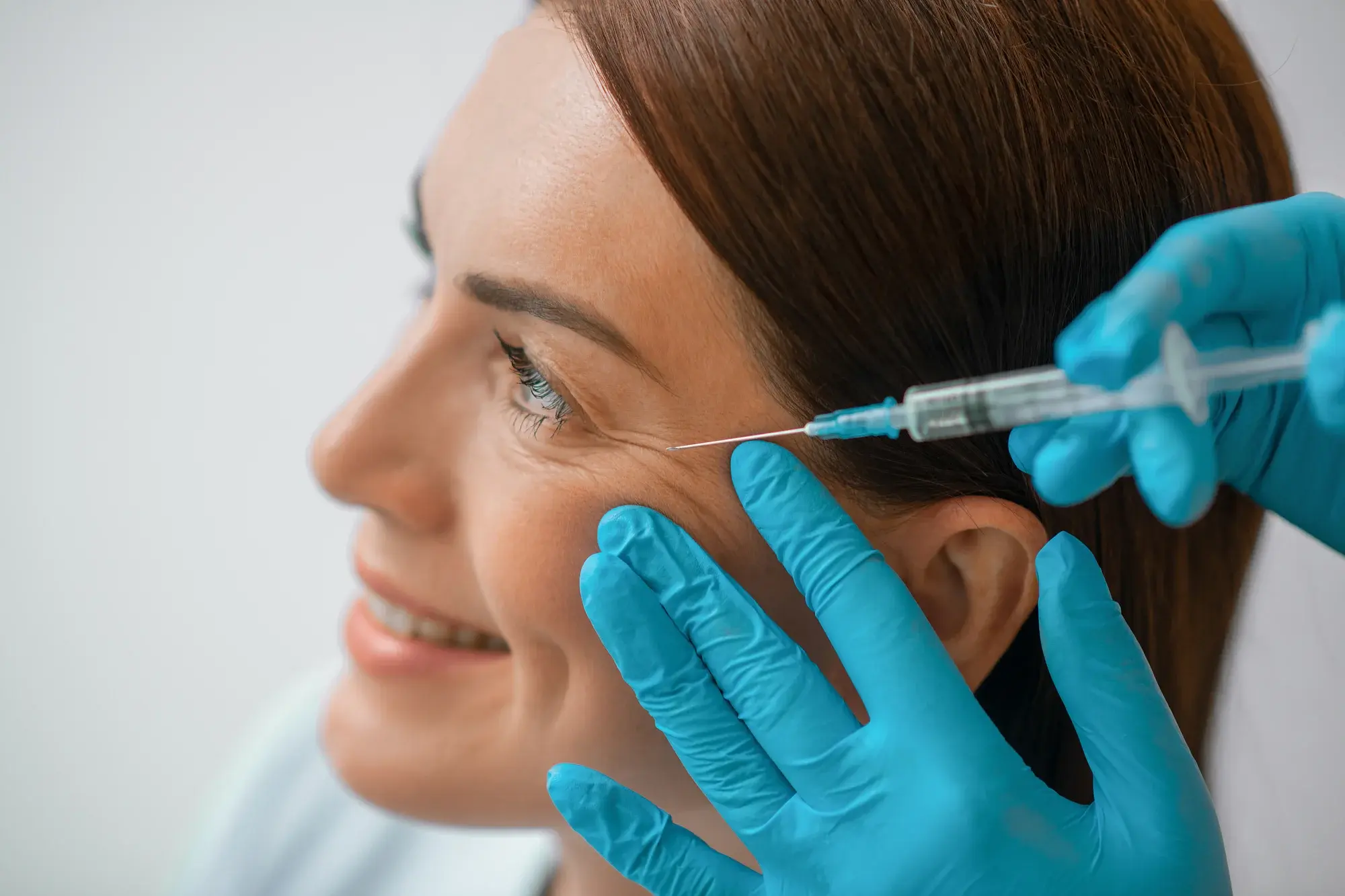
Male plastic surgery is no longer a small niche within aesthetic care. Male patients are increasingly seeking both surgical and non-surgical treatments to enhance appearance, with demands centered on subtle refinement, functional improvement, and results that age well.
This article explores male cosmetic surgery growth in 2026. You’ll learn about the ten most popular male plastic surgery trends and what they mean for your practice.
Key Takeaways
- Male plastic surgery demand has been steadily increasing. Men accounted for about 7% of all plastic surgery patients in 2024, up from roughly 6% in 2023.
- Men are seeking both surgical and non-surgical treatments. Male patients represented approximately 6% of cosmetic surgical procedures and 7% of minimally invasive treatments in 2024.
- The most common male plastic surgery procedures include gynecomastia surgery, liposuction, blepharoplasty, rhinoplasty, face and neck lifts, and chin augmentation.
- Gynecomastia surgery stands out as the most common and fastest-growing male-specific procedure. Over 26,000 cases were performed in 2024, which is a 10.9% increase compared to 2023.
- Despite rising demand, male patients remain underrepresented in aesthetic marketing. Many practices still feature female imagery and limit male-specific messaging to a narrow set of procedures.
The Growth in Male Cosmetic Surgery
While women still account for the large majority of cosmetic procedures, male participation has been increasing over the past few years.
According to the American Society of Plastic Surgeons, in 2024, men made up about 7% of all plastic surgery patients, up from about 6% in 2023.1
This growth spans across both surgical and non-surgical care. Men accounted for around 6% of cosmetic surgical procedures and about 7% of minimally invasive treatments in 2024. There was also a shift towards maintenance-focused care, with non-invasive procedures like “brotox,” male injectables, and skin treatments being common entry points into male cosmetic care.
In addition, an 18-year analysis using Google Trends showed that male interest increased across nearly all major aesthetic procedures between 2004 and 2021.2
The sharpest increases appeared in nonsurgical procedures for men, including neuromodulators, jawline contouring, microneedling, chemical peels, and body contouring technologies.
However, even as male interest in aesthetic care is increasing, research shows that men do not feature prominently in plastic surgery marketing.
Only a select few procedures are advertised specifically to men, meaning that many practitioners overlook this patient demographic.
Top 10 Male Plastic Surgery Trends in 2026
Some procedures have remained consistently popular among male patients over the past few years.
These are the areas where men most often seek treatment, driven by common concerns around body contour, facial structure, and aging.
Based on past trends, the following procedures are likely to remain in demand in 2026.
- Gynecomastia Surgery
Gynecomastia is the most common plastic surgery procedure among men. In 2024, 26,430 gynecomastia surgeries were performed in the U.S., representing 100% male patients and a 10.9% increase compared to 2023.
According to the American Society of Plastic Surgeons, gynecomastia surgery trends are driven by reduced stigma, greater awareness of surgical options, and increased presentation following weight loss or fitness-related body changes.
Many patients who receive this procedure frame it as corrective or restorative rather than viewing it as a cosmetic choice.
- Liposuction
Liposuction is the most common body contouring procedure performed in men. In 2024, 21,082 male liposuction procedures were recorded, accounting for 6% of all liposuction cases.
Male patients seek targeted fat reduction in the abdomen, flanks, chin, and chest, often after lifestyle modification or pharmacologic weight loss.
- Blepharoplasty
Blepharoplasty is the most frequently performed facial plastic surgery in men. In 2024, 15,351 blepharoplasty procedures were performed in male patients, representing 13% of all blepharoplasties.
The demand is largely driven by concerns around tired or aged appearance, with a strong preference for conservative correction that maintains natural periorbital anatomy.
- Rhinoplasty
Male rhinoplasty demand has been consistently rising over the past few years. In 2024, 7,018 male rhinoplasties were performed, accounting for 14% of all rhinoplasty cases.
Male patients choose this surgery with combined functional and aesthetic goals, prioritizing airway improvement, trauma correction, or structural refinement over size reduction. Many patients seek out subtle changes that preserve nasal strength and proportion.
- Rhytidectomy
In 2024, 5,819 facelift procedures were performed in men, representing 7% of all facelifts.
As compared to women, male patients tend to pursue facial rejuvenation at a later age and often focus on lower-face laxity rather than anti-aging.
The demand reflects a desire for age-appropriate improvement, with careful attention to scar placement and hair-bearing skin.
- Neck lift
Male neck lift procedures are also becoming more common. 2,773 neck lifts were performed on male patients in 2024, accounting for 12% of all neck lift procedures.
Patients report viewing the neck as a primary marker of aging and may pursue isolated neck correction without broader facial surgery.
- Abdominoplasty
Although men represent a small proportion of total abdominoplasty cases, volume remains clinically relevant. In 2024, 4,152 abdominoplasties were performed in male patients, accounting for 2% of total procedures.
Male abdominoplasty demand is closely tied to post-weight loss changes, with an emphasis on excess skin removal and core tightening.
- Chin Augmentation
Chin augmentation has one of the highest male participation rates among facial implant procedures.
In 2024, 1,217 chin augmentations were performed in men, representing 22% of all chin augmentation cases.
- Otoplasty
Otoplasty shows one of the highest male-to-female ratios among cosmetic procedures. Male patients accounted for 34% of all otoplasty cases in 2024.
In many cases, the demand appears to be driven by long-standing psychosocial concerns rather than age-related change.
- Cheek Implants
Cheek implants are performed less frequently overall, but male participation remains significant. In 2024, men accounted for 26% of all cheek implant procedures.
What These Trends Mean for Your Practice
As male plastic surgery becomes a routine part of aesthetic practice, clinics will have to adapt how they consult, plan treatments, and present services to male patients.
Here are some important considerations for practices responding to these trends:
- Addressing Marketing Gaps
Despite clear growth in male cosmetic demand, research suggests that many practices still underrepresent men in how aesthetic services are presented and marketed.
A U.S.-based analysis of 453 plastic surgery practice websites found that 94.1% of featured images depicted female patients. Only 5% showed male patients. In addition, only 22% of surveyed practices had a dedicated male services page.3
When male-specific services were marketed, they were largely limited to gynecomastia reduction (58%), liposuction (17%), blepharoplasty (13%), and facelift (10%). Fewer than 10% of practices offered or promoted other aesthetic procedures to male patients.
It is important for practices to evaluate whether their current marketing approach supports education and treatment planning for the male patient segment.
- Need for Male-Specific Consultation Techniques
Male patients come in with a different mindset than female patients. Many are focused on discretion, structural balance, and maintaining a natural appearance rather than visible cosmetic change.
Consultations that acknowledge these differences can be more effective in catering to this demographic.
When engaging with male patients, clinicians should apply consultation methods that avoid appearance-centric language and instead emphasize proportion, definition, and long-term preservation.
- Training and Team Education Implications
As more male patients seek out plastic surgery, demographic-focused training becomes important.
Teams need to be comfortable working with male anatomy. In addition, surgeons, injectors, and support staff should all be on the same page about how male aesthetic goals differ and how those differences affect treatment planning.
Order Male Aesthetic Products from Medica Depot
As more men seek cosmetic treatments, practices must adapt their marketing strategies and consultation techniques to meet this demand.
However, refining your approach only goes so far. What ultimately drives patient satisfaction and repeat business is the quality of products you use.
For authentic dermal fillers, neuromodulators, and aesthetic supplies from trusted brands. Medica Depot has been a reliable source for practices since 2007.
With direct manufacturer connections and savings up to 70% compared to local suppliers, you can stock your practice without compromising on authenticity.
Frequently Asked Questions
Are Injectables Administered Differently for Male Versus Female Patients?
Yes. While the same injectable products are used, treatment planning differs in male patients due to anatomical considerations. Men have thicker skin and greater muscle mass, which can require adjusted dosing and treatment intervals.
What Is “Brotox”?
“Brotox” is a non-clinical term used to describe botulinum toxin type A treatments in male patients. It is a marketing term that has been adopted to describe neuromodulator treatments planned for male anatomy and aesthetic goals.
What Is the Most Popular Plastic Surgery Procedure for Men?
Gynecomastia surgery is the most commonly performed plastic surgery procedure in men. Over 26,000 gynecomastia procedures were performed in male patients in 2024.
References
- American Society of Plastic Surgeons. (2025). 2024 ASPS Procedural Statistics Release.https://www.plasticsurgery.org/documents/news/statistics/2024/plastic-surgery-statistics-report-2024.pdf
- Lem, M., Pham, J. T., Kim, J. K., & Tang, C. J. (2023). Changing aesthetic surgery interest in men: An 18-year analysis. Aesthetic Plastic Surgery, 47(5), 2136–2141. https://doi.org/10.1007/s00266-023-03344-9
- Sinno, S., Lam, G., Brownstone, N. D., & Steinbrech, D. S. (2016). An assessment of gender differences in plastic surgery patient education and information in the United States: Are we neglecting our male patients? Aesthetic Surgery Journal, 36(1), 107–110. https://doi.org/10.1093/asj/sjv100
This content was prepared and reviewed under our editorial guidelines , which govern how we source, verify, and update clinical and product information. Every claim is checked against peer-reviewed research, manufacturer documentation, or regulatory guidance before publication.