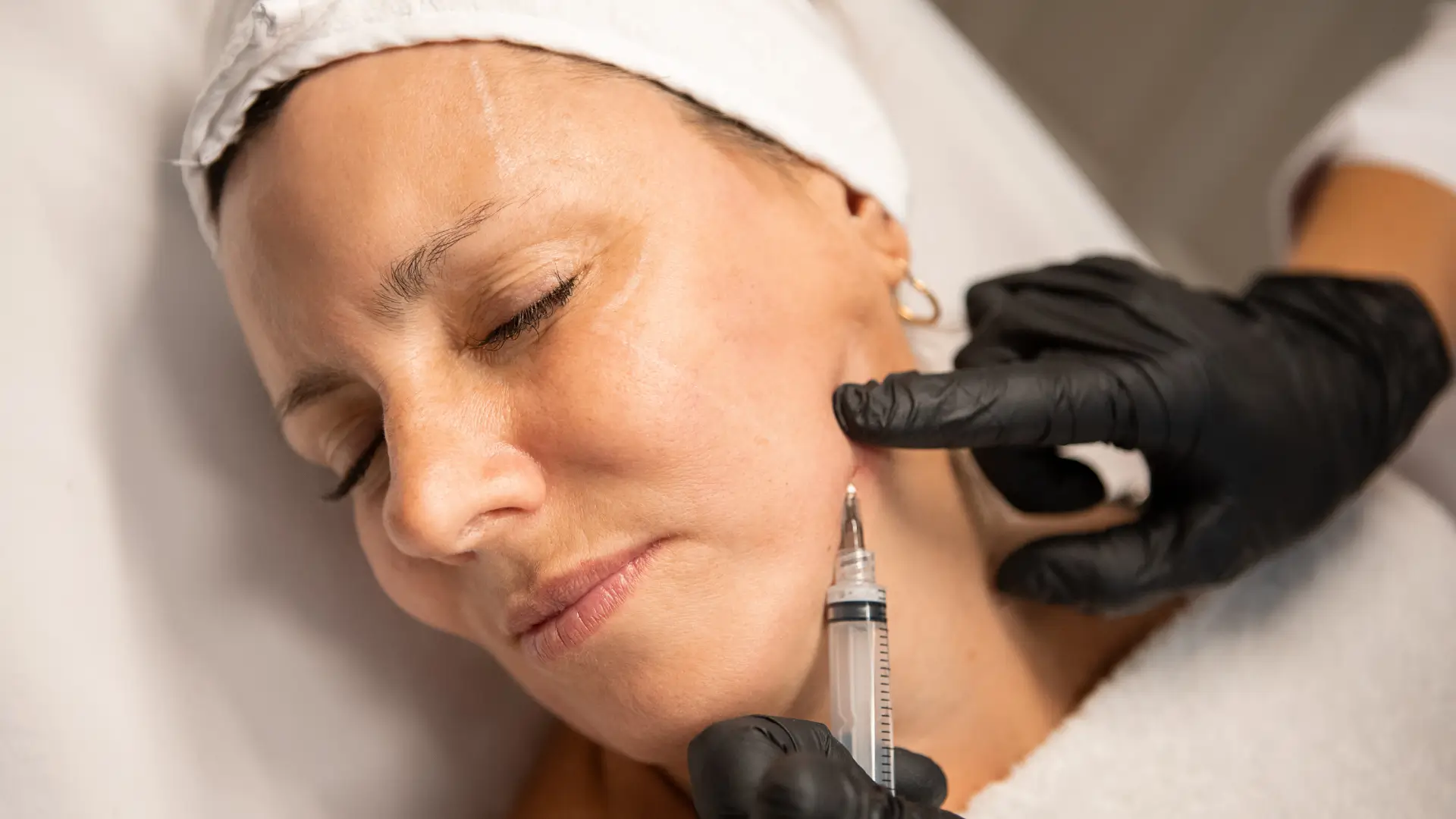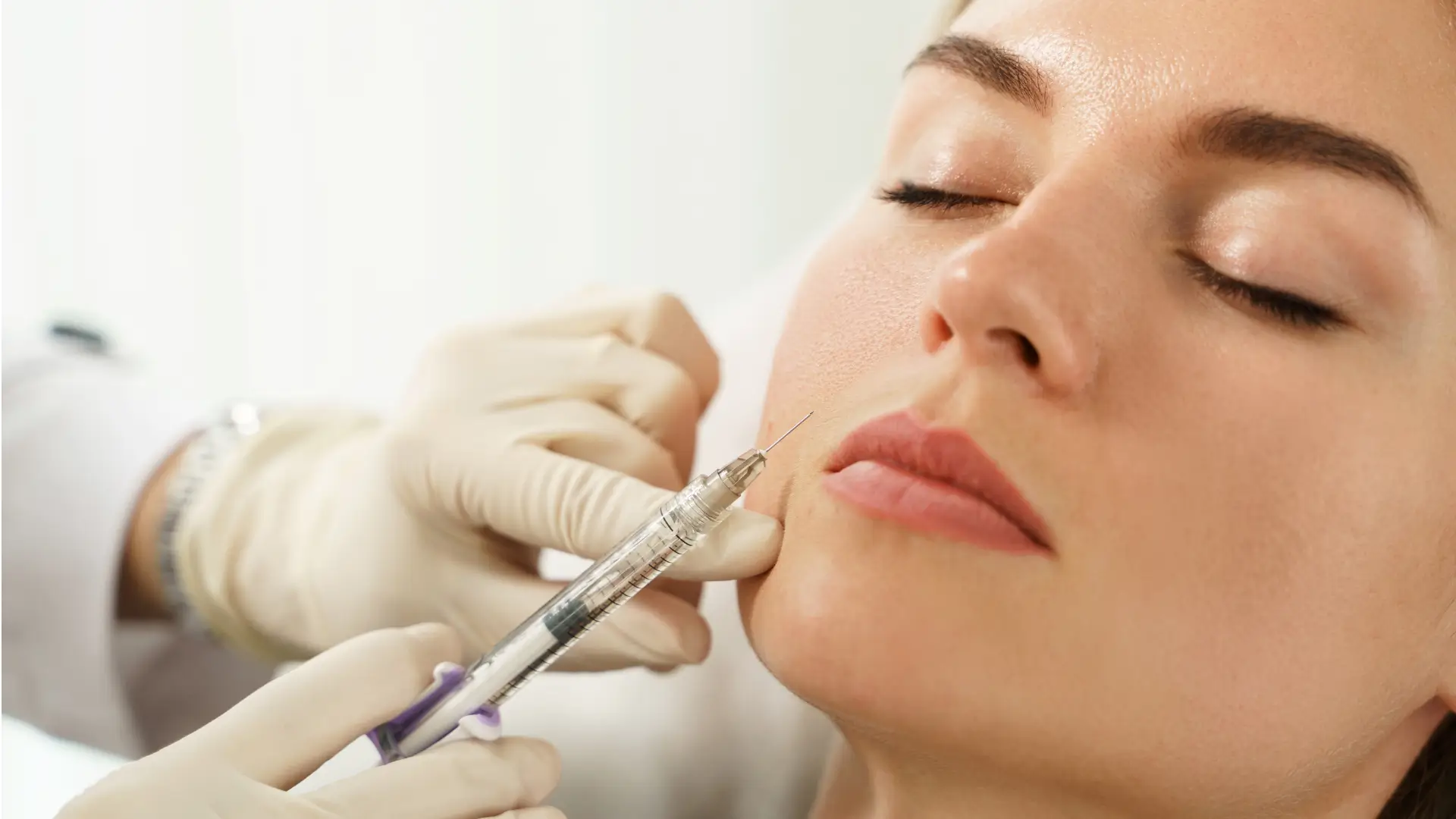
Unlike a conventional HA filler, which produces volume through the physical properties of the gel, biostimulatory fillers are intended to stimulate host-tissue remodeling in addition to any immediate volume from their carrier or formulation.
This article will explore what collagen stimulation is, how the mechanism differs between PLLA and CaHA, when biostimulators entered clinical practice, how the mechanism translates into visible facial rejuvenation, and how it compares to HA fillers and facelift surgery.
At Medica Depot, we supply established biostimulator brands to licensed medical professionals, and this article steps through how biostimulators work at the tissue level in the terms clinicians actually use. Clinics building a consistent protocol can order biostimulators wholesale through our catalog for reliable, brand-name supply.
Key Takeaways
- Biostimulators do not share one identical mechanism. PLLA is associated with a controlled foreign-body response involving macrophages and subsequent fibroblast-mediated collagen deposition, while CaHA appears to stimulate remodeling through interactions between the microspheres and surrounding cells, together with fibroblast-mediated tissue remodeling [1][2].
- Sculptra® (PLLA) was first FDA-approved in 2004 for HIV-associated facial lipoatrophy. A 2009 supplement expanded its use to nasolabial folds and other facial wrinkles in immune-competent patients, and a 2023 supplement added correction of fine lines and wrinkles in the cheek region. Radiesse® (CaHA) received FDA approval on December 22, 2006 for subdermal correction of moderate to severe facial wrinkles and folds and for HIV-associated facial lipoatrophy [5][6][7].
- Some biostimulatory treatments may provide longer-lasting improvement than certain HA fillers, but duration varies by product, treatment area, injection technique, and patient factors. No single longevity range applies to the whole category [3].
About: Medica Depot is your trusted all-in-one supplier, offering a range of high-quality medical injectables and supplies. We offer a worry-free experience in searching for the best and most popular products on the market, like biostimulators. Whether for health professionals, plastic surgeons, dermatologists, licensed estheticians, or other specialists, we can offer genuine, brand-name products you may need. With Medica Depot, we prioritize serving you better to improve the patient’s quality of life.
How Do Biostimulators Work at the Cellular Level?
For PLLA, the proposed mechanism involves a controlled foreign-body response in which macrophages and foreign-body giant cells interact with the polymer, followed by fibroblast activity and collagen deposition as the particles gradually degrade [1][3].
For CaHA, the picture is different in important ways. Radiesse® consists of calcium hydroxylapatite microspheres suspended in a carboxymethylcellulose gel. It provides immediate volume from the carrier gel and injected material, followed by longer-term tissue remodeling through interactions between the microspheres and surrounding cells, together with fibroblast-mediated activity. Histologic studies of diluted CaHA in the neck and décolleté have reported significant increases in type I collagen at four and seven months and in type III collagen at four months, alongside improvements in skin mechanical properties [2][4].
PCL-based biostimulators are also described as collagen-stimulating materials, but their mechanism and clinical evidence base are separate from PLLA and CaHA, and should be discussed on their own terms rather than assumed to follow either pathway [3]. Injection plane depends on the product, indication, anatomy, and clinician technique. FDA labeling specifies particular planes for approved uses, while other planes or treatment areas may reflect clinical practice or off-label use.
How Does Collagen Remodeling Change the Skin?
Collagen stimulation is the biological process at the center of what these products do. How does collagen stimulation work in practice? Once microparticles are placed in the appropriate plane for that product, fibroblasts are recruited to the site and, over the following weeks, increase production of type I and type III collagen and other extracellular matrix components. In CaHA specifically, published histology has documented increases in collagen, elastin, and proteoglycans, alongside changes in fibroblast populations [2][4].
The scaffold framing is more accurate for CaHA than for PLLA. For PLLA, new connective tissue forms around degrading particles rather than substituting one-for-one for the injected volume. For CaHA, remodeling occurs around and between microspheres as they are gradually resorbed. In both cases, the product itself is not transformed into collagen. It stimulates host tissue remodeling while the implant material is eventually degraded or resorbed [1][2].
When Were Sculptra® and Radiesse® Introduced to Clinical Practice?
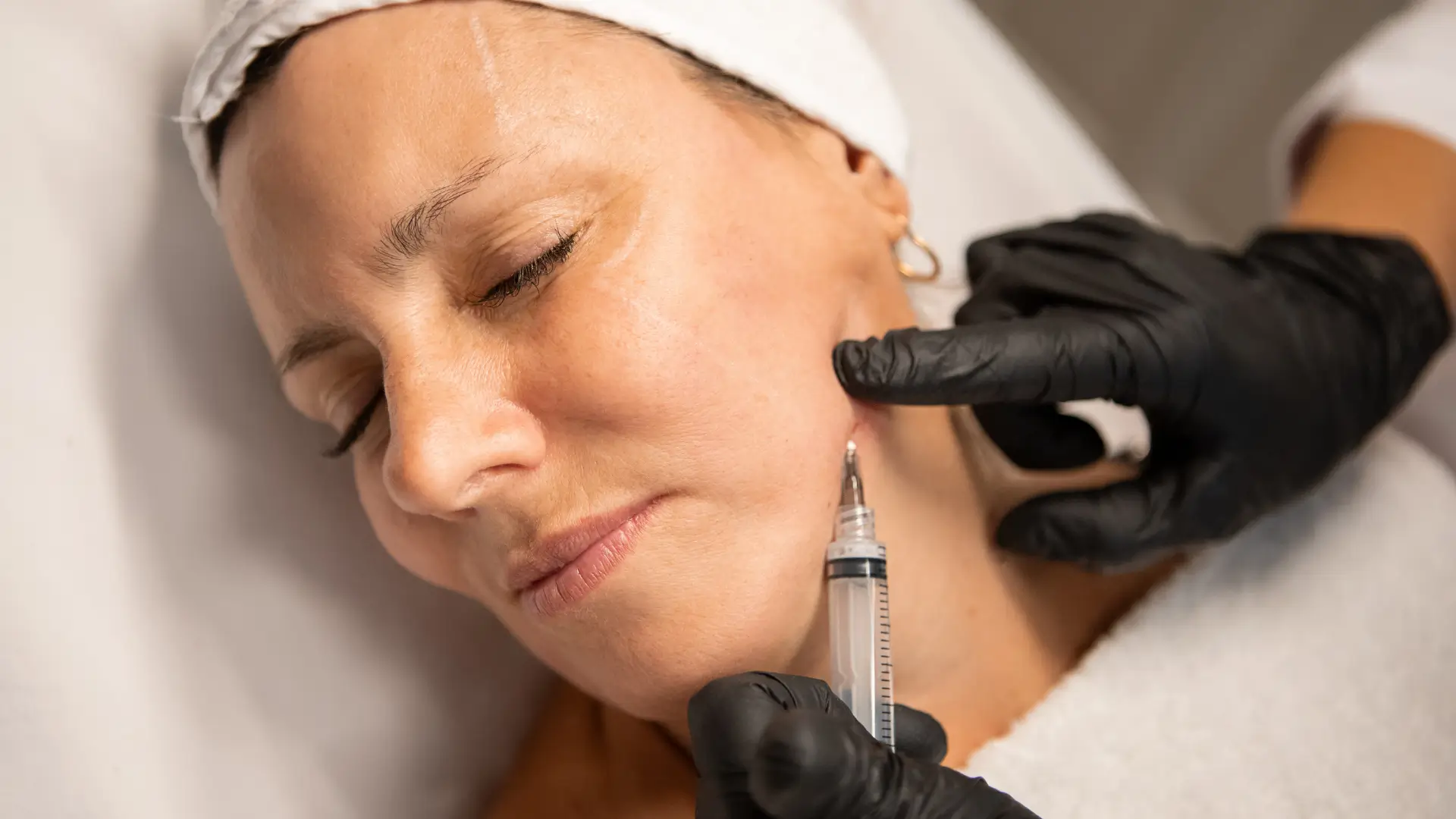
The clinical history of biostimulators traces to the late 1990s and early 2000s. PLLA was first marketed in Europe in November 1999 as New-Fill, later branded Sculptra®, with early adoption concentrated among patients experiencing HIV-associated facial lipoatrophy [6].
Sculptra® was first FDA-approved in 2004 for HIV-associated facial lipoatrophy. A 2009 supplement expanded its use to correction of nasolabial-fold contour deficiencies and other facial wrinkles in immune-competent patients, and a 2023 supplement added correction of fine lines and wrinkles in the cheek region [5][6].
Radiesse® received FDA approval on December 22, 2006 for subdermal correction of moderate to severe facial wrinkles and folds, including nasolabial folds, and for HIV-associated facial lipoatrophy [7]. Radiesse® later received a separate FDA indication for augmentation of the dorsum of the hands [8]. Some clinical use extends to off-label body treatments, but those should be described as off-label rather than grouped with approved indications.
More than two decades of accumulated safety and efficacy data exist for these specific products. That experience does not automatically generalize to the entire biostimulator category, particularly newer PCL products, and copy about the category should reflect that distinction.
From Cellular Remodeling to Facial Rejuvenation
Translated into a treatment room setting, the tissue response described above needs to add up to something visible on the patient’s face, and that translation depends on the product and the treatment plane. For volume-restoration goals, PLLA is frequently chosen in practice for broader mid- and lower-face volume restoration. That is a clinical characterization, not a formal FDA indication, and should be presented that way [1].
For patients who want a firmer, more immediate lift, CaHA is a common choice. That preference ties to its rheologic properties and its immediate carrier-gel volume, not to a guaranteed lifting effect [2]. As fibroblast-driven remodeling continues over the following weeks and months, tissue support may contribute to improved thickness and dermal firmness rather than fully “restoring” volume in every treated area on its own.
Treatment Timing, Results, and Safety
Treatment schedules vary by product, indication, treatment area, and clinical protocol. Sculptra® is commonly administered as a series of sessions spaced several weeks apart, with visible improvement often assessed at approximately two to three months. Radiesse® can be used in a single session, repeat sessions, or diluted protocols depending on the goal [1][2]. Biostimulator treatments typically involve limited downtime, although temporary swelling, bruising, tenderness, redness, or itching may occur. As with other facial injectable procedures, rare but serious complications such as nodules, granuloma, infection, vascular compromise, and visual disturbances are recognized possibilities and should be discussed during informed consent [5].
Biostimulators Vs. HA Fillers and Facelift Surgery
A hyaluronic acid dermal filler works primarily by physically occupying space and attracting water. Some HA products may induce a limited tissue response as well, but the primary clinical effect is immediate volume rather than remodeling. Approved dermal filler durations reported by the FDA range from about 6 to 24 months, depending on the product, treatment area, and patient factors [3].
Because their effects depend partly on tissue remodeling, some biostimulatory treatments may provide longer-lasting improvement than certain HA fillers. However, duration varies by product, treatment area, injection technique, and patient factors, and no single longevity range applies to the entire category. Sculptra® effects are supported up to about two years in clinical documentation, and any framing of “or longer” is a clinical observation rather than an established labeled duration [3][5].
A surgical facelift is a different intervention entirely. It removes or repositions excess skin and underlying tissue under anesthesia and addresses structural sag in a way that no injectable can substitute for. Biostimulator injections do not lift excess skin. They stimulate the patient’s own tissue remodeling, which is a slower and more subtle change. Some practices use both categories in sequence or combination, with HA fillers handling immediate, precise correction and biostimulators supporting longer-term collagen-based improvement, then referring surgical candidates when the structural issue is beyond what injectables address. Sunscreen, topical retinoids, and periodic in-office maintenance support overall skin health and complement injectable procedures. Clinics evaluating this category may also want to review biostimulator injections cost alongside product selection, treatment protocols, and inventory requirements.
The contents of this page are meant for licensed medical professionals. They serve informational purposes only and are not to be taken as medical advice.
Citations
[1] da Cunha, Marisa Gonzaga, Marcela Engracia, Luciana Gasques de Souza, and Carlos D’Apparecida Machado Filho. “Biostimulators and Their Mechanisms of Action.” Surgical & Cosmetic Dermatology, vol. 12, no. 2, 2020, pp. 109–117. DOI: 10.5935/scd1984-8773.20201221424.
[2] Aguilera, Shino Bay et al. “The Role of Calcium Hydroxylapatite (Radiesse) as a Regenerative Aesthetic Treatment: A Narrative Review.” Aesthetic surgery journal vol. 43,10 (2023): 1063-1090. doi:10.1093/asj/sjad173
[3] Haddad, Sasha et al. “Evaluation of the biostimulatory effects and the level of neocollagenesis of dermal fillers: a review.” International journal of dermatology vol. 61,10 (2022): 1284-1288. doi:10.1111/ijd.16229
[4] Yutskovskaya, Yana Alexandrovna, and Evgeniya Alexandrovna Kogan. “Improved Neocollagenesis and Skin Mechanical Properties After Injection of Diluted Calcium Hydroxylapatite in the Neck and Décolletage:A Pilot Study.” Journal of drugs in dermatology : JDD vol. 16,1 (2017): 68-74.
[5] U.S. Food and Drug Administration. “Sculptra® (P030050/S039).” U.S. Food and Drug Administration, 2023, www.fda.gov/medical-devices/recently-approved-devices/sculptra-p030050s039.
[6] Galderma Research & Development, LLC. Sculptra® Summary of Safety and Effectiveness Data (SSED). accessdata.fda.gov. https://www.accessdata.fda.gov/cdrh_docs/pdf3/P030050S039B.pdf
[7] U.S. Food and Drug Administration. RADIESSE® Injectable Implant: P050052. FDA AccessData. https://www.accessdata.fda.gov/cdrh_docs/pdf5/P050052b.pdf
[8] U.S. Food and Drug Administration. “RADIESSE Injectable Implant: P050052/S049.” FDA AccessData. www.accessdata.fda.gov/scripts/cdrh/cfdocs/cfpma/pma.cfm?id=P050052S049.
This content was prepared and reviewed under our editorial guidelines , which govern how we source, verify, and update clinical and product information. Every claim is checked against peer-reviewed research, manufacturer documentation, or regulatory guidance before publication.