
Traditional hyaluronic acid fillers add volume as soon as they enter the tissue. Biostimulators take a different route, cueing the body’s own fibroblasts to lay down new collagen across the weeks and months that follow. That single divergence is why the biostimulators vs fillers decision keeps coming up in injector planning: the two categories solve different problems on different timelines, and neither substitutes for the other.
Medica Depot supplies both categories to licensed medical professionals, and the biostimulators vs fillers guidance below compares them side by side in the terms clinicians actually decide on. Clinics stocking either category for their treatment menu can buy biostimulators directly through Medica Depot’s catalog of genuine, brand-name injectables.
This article explores how dermal fillers and biostimulators differ in mechanism, how long each option lasts in practice, how administration techniques and safety profiles compare, how the two stack up against microneedling and skin boosters, and what the two categories typically cost across the US and other markets.
Key Takeaways
- Dermal fillers are injectable gels that add volume as soon as they’re placed, while biostimulators trigger the body’s own collagen production over the weeks and months that follow [1].
- Duration diverges by product class. HA fillers typically last 6 to 18 months, depending on product, site, and metabolism, while PLLA-based biostimulators most consistently reach the two-year mark, and CaHA-based biostimulators generally fall in the 12 to 18 month range [2][3][4].
- Neither category is universally better than the other. Many practices use both, pairing a biostimulator to rebuild structural support with a filler for immediate, precise contour where the patient wants it now.
About: Medica Depot is your trusted all-in-one supplier, offering a range of high-quality medical injectables and supplies. We offer a worry-free experience in searching for the best and most popular products on the market, like [biostimulators and dermal fillers]. Whether for health professionals, plastic surgeons, dermatologists, licensed estheticians, or other specialists, we can offer genuine, brand-name products you may need. With Medica Depot, we prioritize serving you better to improve the patient’s quality of life.
Biostimulators vs Fillers: What’s the Difference?
At the heart of the biostimulators vs fillers comparison, each product produces a very different result. Dermal fillers, most commonly formulated with hyaluronic acid, are physical volumizers. Once injected, they occupy space beneath the skin and create an immediate, visible lift.
Biostimulators do not fill space. They introduce biocompatible particles that the body responds to by supporting its own collagen synthesis, so improvements in skin quality and structure build gradually rather than appearing all at once. That is the difference between fillers and biostimulators that patients notice first, and it is also the difference between biostimulators and fillers that determines which injector chooses which product for which patient.
In practical terms, the difference is between adding volume you can see leaving the syringe and rebuilding the skin’s underlying architecture over the next several months.
How Do Their Mechanisms of Action Compare?
Discussing the mechanisms of action for these minimally invasive injectables helps set realistic patient expectations. Dermal fillers are injectable gels that, once placed, physically fill the treatment area. No biological process is required for the volume to appear.
Biostimulators work through a regenerative process instead. Active ingredients such as poly-L-lactic acid (PLLA) and calcium hydroxylapatite (CaHA) prompt a controlled, localized response that recruits fibroblasts and drives new collagen production over time. Skin quality builds slowly rather than the contour changing instantly [1][2].
Specifics vary by formulation and product. PLLA-based biostimulators are gradually broken down by the body as new collagen accumulates around the injected microparticles. CaHA-based products combine an immediate volumizing gel carrier with microspheres that continue stimulating collagen after the carrier is absorbed [2].
Because the mechanisms differ, so do the timelines patients should expect before results appear and how long the visible improvement lasts.
Which Lasts Longer? Biostimulators vs Fillers Duration Compared
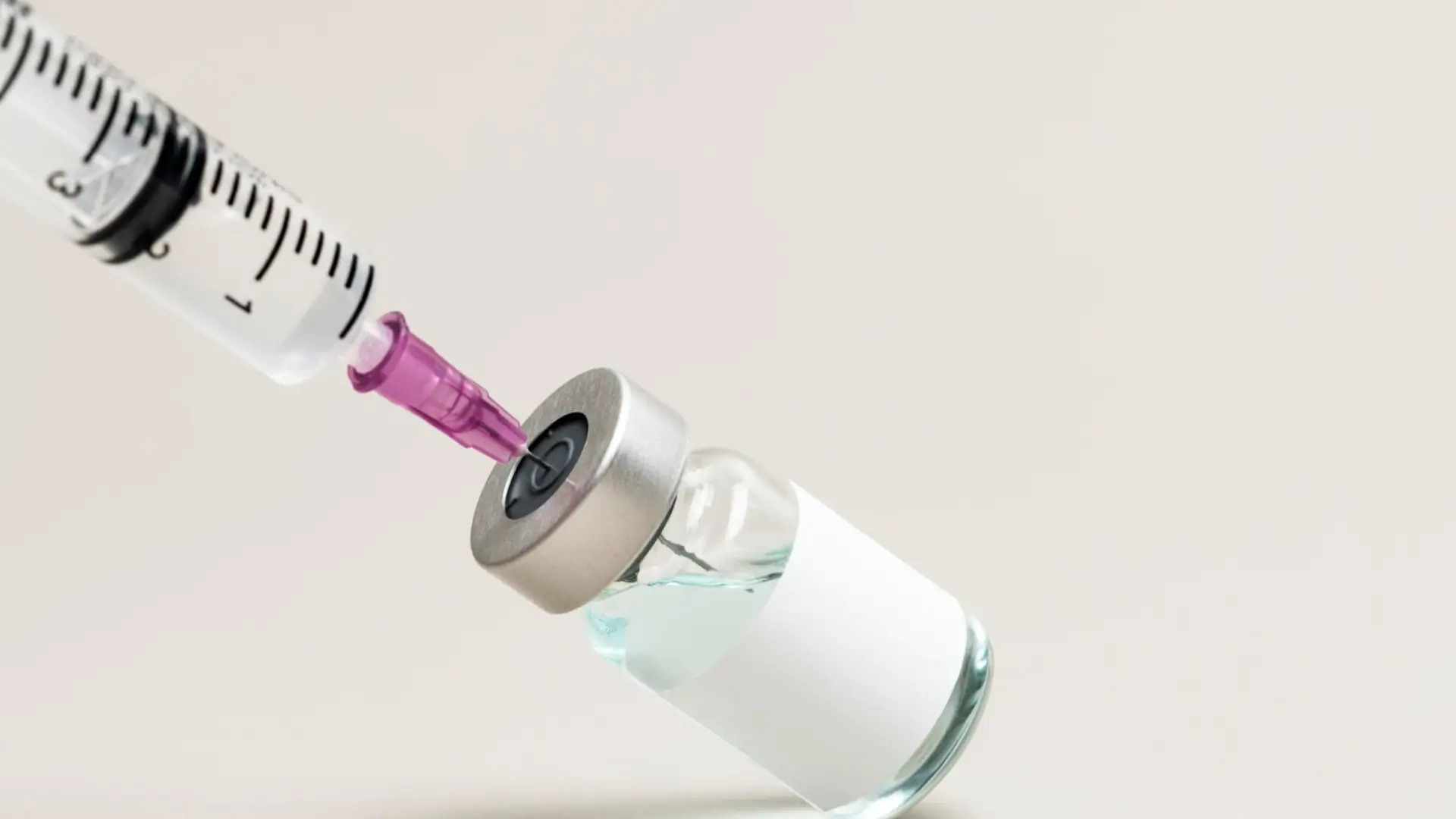
Longevity is where the biostimulators vs fillers comparison gets interesting, though the answer varies with treatment area and individual metabolism. Hyaluronic acid fillers typically hold their volume for about 6 to 18 months, depending on the product, injection site, and individual metabolism. Higher-cohesivity products in low-movement areas can approach or exceed the upper end of that range in practice.
Biostimulator durability splits by class. PLLA-based products such as Sculptra® most consistently reach the two-year mark after a full treatment series, since newly formed collagen persists well after the injected material has been metabolized [3]. CaHA-based products such as Radiesse® typically last 12 to 18 months, with some reports extending to about 24 months in specific uses such as hyperdilute neck and body protocols [4].
Both categories can meaningfully reduce fine lines and wrinkles, but biostimulators before and after show longer-lasting improvement in overall skin quality rather than a quick, targeted volume correction.
Are Biostimulators Better Than Fillers?
It depends entirely on the clinical goal, and any fillers vs. biostimulators comparison that declares one universally superior oversimplifies. Fillers remain the better choice when the patient wants immediate, precise, reversible correction, whether for lip augmentation or a same-day event look. Biostimulators are the stronger option when the goal is gradual, natural-looking rejuvenation and longer-lasting improvement in skin firmness and texture.
Biostimulators vs Traditional Fillers in Combined Protocols
Many experienced injectors treat the biostimulators vs traditional fillers question as an “and,” not an “either.” A biostimulator can rebuild the skin’s foundation while a filler addresses targeted volume where the patient wants immediate change. The pairing lets a single plan touch both the structural and cosmetic sides of facial aging, and it is one of the more common ways experienced practitioners use biostimulators vs traditional fillers together rather than choosing between them.
How Do Biostimulators Compare to Microneedling and Skin Boosters?
Patients researching biostimulators vs microneedling are usually weighing two different collagen-stimulation strategies. Microneedling triggers a wound-healing response through mechanical micro-injury, while biostimulators achieve a similar collagen-building effect through injectable biomaterials. In most practices, biostimulators produce more predictable and longer-lasting structural improvement per treatment session than microneedling alone, though microneedling can still meaningfully improve texture and fine lines over a series, especially when paired with adjuncts such as PRP.
The biostimulators vs skin boosters comparison follows a related but distinct logic. Skin boosters, typically low-concentration cross-linked hyaluronic acid, are injected in small amounts across the dermis mainly to improve hydration and skin quality. They may induce some collagen production through mechanical stretching of the dermis, but they do not stimulate new collagen to the same extent or for as long as PLLA or CaHA biostimulators.
In practice, many clinics position skin boosters and microneedling as hydration- and texture-focused maintenance treatments, while reserving biostimulators for patients who want a more substantial, longer-term structural change.
Comparing Administration Technique and Safety of Biostimulators and Dermal Fillers
Administration technique differs meaningfully between the two categories, so practitioners should walk patients through the specific protocol before treatment. Fillers are typically injected directly into the area needing volume, with results assessed in real time during the appointment.
Biostimulators are often injected in a diluted, multi-point technique across a broader treatment area, since the goal is to distribute product evenly so collagen stimulation is uniform. Depth and dilution choices matter more here than they do for a standard HA filler injection.
On safety and side effects, the two categories share a similar early profile. Temporary swelling, redness, and bruising at injection sites are common to both. Biostimulators carry an additional consideration: because results build over several sessions and the collagen response is scaffolded onto the injected microparticles, proper reconstitution, dilution, and injection depth are critical to avoiding nodules or lumps. Manufacturer training and technique consistency matter more here than they do for a standard filler [1].
Sourcing genuine, properly stored product from a verified supplier is one of the simplest ways to protect both patient safety and outcomes across either category.
How Do Costs Compare in the US and Elsewhere?
The cost picture for dermal fillers vs. biostimulators isn’t always straightforward. Per-syringe or per-vial pricing for biostimulators typically runs higher than a single syringe of hyaluronic acid filler, and biostimulator protocols often require more than one session to reach full correction. Evaluate total treatment cost across the full series rather than per visit.
That said, because biostimulator results last longer, many practices find the annualized cost compares favorably to repeat filler touch-ups over the same period. Pricing also varies by country and regulatory environment, with the US market generally reflecting FDA-approved, premium-branded product costs. Pricing elsewhere shifts with local availability and import regulations.
The contents of this page are meant for licensed medical professionals. They serve informational purposes only and are not to be taken as medical advice.
Citations
[1] Christen, Marie-Odile. “Collagen Stimulators in Body Applications: A Review Focused on Poly-L-Lactic Acid (PLLA).” Clinical, cosmetic and investigational dermatology vol. 15 997-1019. 21 Jun. 2022, doi:10.2147/CCID.S359813
[2] Aguilera, Shino Bay et al. “The Role of Calcium Hydroxylapatite (Radiesse) as a Regenerative Aesthetic Treatment: A Narrative Review.” Aesthetic surgery journal vol. 43,10 (2023): 1063-1090. doi:10.1093/asj/sjad173
[3] Galderma Research & Development, LLC. Sculptra Summary of Safety and Effectiveness Data (SSED). accessdata.fda.gov. https://www.accessdata.fda.gov/cdrh_docs/pdf3/P030050S039B.pdf
[4] US Food and Drug Administration. RADIESSE® (+) Lidocaine Injectable Implant Summary of Safety and Effectiveness Data (SSED). 2021. https://www.accessdata.fda.gov/cdrh_docs/pdf5/P050052S129B.pdf
[5] Galderma. “Galderma Receives FDA Approval for Sculptra® Aesthetic to Improve the Appearance of Cheek Wrinkles.” Galderma, 29 Apr. 2023, www.galderma.com/news/galderma-receives-fda-approval-sculptrar-cheek-wrinkles-0.
This content was prepared and reviewed under our editorial guidelines , which govern how we source, verify, and update clinical and product information. Every claim is checked against peer-reviewed research, manufacturer documentation, or regulatory guidance before publication.