
How much does botox cost? The short answer is “it depends,” because the final fee reflects per-unit pricing, treatment-area dosing, product choice, and practice-level costs. Medica Depot approaches the topic as a pricing reference for practices deciding what to charge and why. For practice owners planning to buy botulinum toxin wholesale, our support specialists at Medica Depot can provide guidance on sourcing documentation and licensing considerations.
This article will explore everything that goes into the cost of Botox — from per-unit pricing and brand comparisons to building a smarter pricing strategy for your practice.
Key Takeaways
- Botox pricing depends on unit cost, treatment area, provider expertise, and practice location, not a single fixed number.
- Comparing Botox to alternatives like Dysport, Xeomin, and Jeuveau helps practices position their own pricing.
- A thoughtful pricing strategy, from packages to maintenance planning, supports both patient trust and practice profitability.
About: Medica Depot is your trusted all-in-one supplier, offering a range of high-quality medical injectables and supplies. We offer a worry-free experience in searching for the best and most popular products on the market, like Botox. Whether for health professionals, plastic surgeons, dermatologists, licensed estheticians, or other specialists, we can offer genuine, brand-name products you may need. With Medica Depot, we prioritize serving you better to improve the patient’s quality of life.
How Much Does Botox Cost? A Complete Overview
The cost of botox operates on two levels. At the practice level, it is the acquisition cost of the product plus everything needed to deliver it safely. At the patient level, it is the fee that appears on the treatment plan. The distance between the two is where clinical skill, overhead, and business strategy come in.
National data offer a starting reference. According to the American Society of Plastic Surgeons (ASPS), botulinum toxin injections average $435 per treatment [5]. That figure blends many providers, markets, and treatment areas, so it is a benchmark rather than a price anyone should copy.
The rest of this guide takes each variable in turn. It covers cost factors, per-unit and per-area pricing, brand comparisons, the economics of dilution and storage, condition-specific dosing, visit planning, pricing strategy, sourcing, and patient communication. Botulinum toxin injections are among the most frequently performed cosmetic procedures involving injectables, and pricing them well takes both clinical and commercial judgment.
Why Can the Same Botox® Treatment Be Priced Differently Across Practices?

- Provider experience and credentials. ASPS identifies several variables behind a practitioner’s fee: who performs the treatment and how qualified they are, how much time and effort it takes, and where the office is located. Provider expertise and qualifications can influence treatment fees, alongside the time involved and geographic location [5]. Nurse practitioners and other experienced providers working under appropriate medical oversight fall along the same spectrum.
- Training and knowledge of facial anatomy. Clinically relevant because safe and effective use of Botox® Cosmetic requires an understanding of the neuromuscular and structural anatomy of the treatment area [3].
- Location of the practice. Overhead, staffing, and local competition vary significantly between metropolitan and regional markets. Two practices using identical product and technique can reasonably charge different fees.
- The treatment area. The price depends on the treatment area because the number of units depends on it. A single glabellar treatment and a full upper-face plan are different products at different prices.
- Brand choice and clinic overhead. Formulations differ in dosing, vial characteristics, and handling requirements. Practice overhead — including staffing, equipment, insurance, and rent — then affects the final fee.
These factors do not operate in isolation. An experienced botox provider in a high-cost city who uses a premium brand will price very differently from a newer practice in a smaller market. Both prices can be fair.
What Is the Average Botox Cost per Unit and by Treatment Area?
Practices may use per-unit pricing, area-based pricing, or a combination of both. To show how the cost per unit of Botox® scales into a treatment total, the table below applies three illustrative rates to label-based dose scenarios [3][4].
These figures are hypothetical examples, not market-price recommendations.
| Treatment or scenario | Units | At $10/unit | At $12.50/unit | At $15/unit |
| Glabellar lines | 20 | $200 | $250 | $300 |
| Lateral canthal lines (crow’s feet) | 24 | $240 | $300 | $360 |
| Forehead lines with glabellar lines | 40 | $400 | $500 | $600 |
| Full upper face (forehead, glabellar, crow’s feet) | 64 | $640 | $800 | $960 |
| Multi-area or tailored plan | 80 | $800 | $1,000 | $1,200 |
| Axillary hyperhidrosis (both axillae) | 100 | $1,000 | $1,250 | $1,500 |
| Chronic migraine | 155 | $1,550 | $1,937.50 | $2,325 |
| High-volume therapeutic scenario | 200 | $2,000 | $2,500 | $3,000 |
Several points stand out from the table:
- For labeled Botox® Cosmetic treatment, forehead lines are treated together with glabellar lines for a recommended total dose of 40 units [3]. “How much does botox in the forehead cost” is therefore a question about the pair, not the single area.
- Eighty units at these rates runs $800 to $1,200. The figure exceeds any single labeled cosmetic dose and signals a multi-area or customized plan rather than one treatment area.
- Two hundred units runs $2,000 to $3,000 here. Volumes at this level are characteristic of therapeutic work, not cosmetic.
When patients ask for the average botox cost per unit, the most honest answer gives the practice’s per-unit rate and an estimate of the units their plan requires. That combination helps them set a realistic budget.
Why Can’t Neuromodulator Prices Be Compared Unit for Unit?
Comparing brands is where many pricing mistakes begin, because units do not carry over between products. The manufacturers’ recommended doses for glabellar lines show the problem: 20 units for onabotulinumtoxinA (Botox®), 20 units for incobotulinumtoxinA (Xeomin®), and 50 units for abobotulinumtoxinA (Dysport®) [2]. Setting one brand’s per-unit rate beside another’s as though they were equivalent is therefore misleading.
| Product | Active ingredient | Documented notes relevant to pricing |
| Botox® | onabotulinumtoxinA | Glabellar dose of 20 units [2][3]; use product-specific pricing rather than assuming unit equivalence across brands |
| Dysport® | abobotulinumtoxinA | Glabellar dose of 50 units; per-unit prices are not comparable with Botox® [2] |
| Xeomin® | incobotulinumtoxinA | Glabellar dose of 20 units; formulated without complexing proteins [2] |
| Jeuveau® | prabotulinumtoxinA | Use product-specific prescribing information when evaluating dosing and treatment pricing |
| Daxxify® | daxibotulinumtoxinA | In a Phase 2 trial, 40 units showed a median duration of response of 24 weeks versus 19 weeks for 20 units of onabotulinumtoxinA [1] |
Duration, dose requirements, and treatment interval can all affect how a practice builds a per-treatment price, but the cited clinical evidence does not establish what premium one product should command over another. Compare each formulation using its own dosing and documentation rather than converting units or assuming equivalent pricing.
Beware of cheap botox when a quoted product price sits well below comparable offers. Price alone cannot establish authenticity, so sourcing and documentation should be verified separately before the product is incorporated into the practice’s pricing model.
Many patients also combine botox and dermal fillers in one plan. The two product categories have different acquisition costs and should be priced independently even when offered together.
How Does Vial Handling Change the Real Cost per Unit?
A vial’s purchase price does not automatically equal the practice’s usable per-unit cost. For internal pricing, compare the amount prepared and administered with any product that cannot be billed or must be discarded. This gives the practice a utilization-based average cost per unit rather than a figure based solely on the vial label.
Botox® Cosmetic specifies a 20-unit glabellar dose in 0.5 mL after reconstitution [3]. Reconstitution, storage, and handling should follow the applicable product labeling, while any policy outside the labeled instructions belongs under clinical governance rather than pricing strategy.
How long a reconstituted vial may be kept, and at what temperature, is defined in each product’s labeling. A consensus statement from the American Society for Dermatologic Surgery reviewed the evidence on storing and reusing reconstituted neuromodulators [6]. The labeling remains the reference point, and any departure from it is a clinical and regulatory decision for the practice’s medical director.
The average cost per unit is the vial cost divided by the units actually billed from that vial. Tracking utilization by vial and by brand lets the practice determine whether its effective per-unit cost differs from the invoice-only figure. That calculation can then inform patient pricing.
How Do Cosmetic and Therapeutic Botox® Protocols Change the Total Cost?
A common starting question is what is botulinum toxin, especially when comparing cosmetic and therapeutic uses. The relevant dose, treatment pattern, and pricing can vary substantially by indication.
Forehead Lines, Glabellar Lines, and Crow’s Feet
The core aesthetic indications focus on reducing the appearance of dynamic fine lines and wrinkles caused by repeated facial muscle movement. The Botox® Cosmetic label assigns glabellar lines 20 units, lateral canthal lines 24, and forehead lines 20, so treating all three together totals 64 units [3]. The label states that the effect on glabellar lines lasts approximately three to four months [3]. At illustrative rates of $10 to $15 per unit, a full upper-face treatment falls between $640 and $960 per session. Over a year, that typically means three to four sessions.
Excessive Sweating (Hyperhidrosis)
When topical agents have failed to control severe primary axillary hyperhidrosis, the Botox® label specifies 50 units per axilla, injected intradermally across 10 to 15 sites [4]. At 100 units per session, the per-visit product cost is significant. At $10 to $15 per unit, the fee ranges from $1,000 to $1,500. Because the diagnosis is medical, patients often ask whether it is covered by insurance. Coverage depends on the payer and the documentation that inadequate response to topical treatment has been demonstrated.
Chronic Migraine
For adults with chronic migraine (headache on 15 or more days a month), the label prescribes 155 units in total, delivered as 5-unit injections at 31 points spread over seven head and neck muscle regions, with re-treatment recommended every 12 weeks [4]. At the table’s illustrative rates, the 155-unit protocol equals $1,550 to $2,325 per session, or roughly four sessions a year. Coverage and authorization requirements should be confirmed with the patient’s payer when applicable.
Why These Differences Matter for Pricing
The cosmetic and therapeutic indications sit at very different price points because their unit volumes differ by roughly 1.5 to 8 times across the range, from a single cosmetic area to the chronic migraine protocol. A practice offering both needs separate pricing logic for each. Per-area pricing suits the cosmetic menu, while per-protocol pricing (and often insurance billing) suits the therapeutic one.
What Does a Treatment Plan Cost Over Time?
Long-term cost depends on both the fee per treatment and the interval between treatments. For glabellar lines, the Botox® Cosmetic label describes an effect lasting approximately three to four months [3], while the chronic migraine protocol specifies re-treatment every 12 weeks [4]. Use those indication-specific intervals when discussing expected annual treatment frequency, and document each patient’s response rather than assuming every patient will follow an identical schedule.
How Can a Practice Turn Unit Costs Into a Sustainable Price Menu?
Start with the pricing basis established earlier in this guide: product utilization, treatment-area requirements, provider costs, and practice overhead. From there, the practice can decide how much flexibility to build into the patient-facing menu.
Area and combination pricing can show how the total changes when patients add treatment regions. Special offers should state their duration and conditions clearly so temporary pricing is not confused with the standard fee. Financing options for botox can address payment timing without changing the underlying treatment price. When botox and dermal fillers appear in the same plan, itemize them separately so each product’s cost remains visible.
In a med spa or medical practice, transparent pricing should make the basis of the quote understandable: what area is being treated, whether pricing is unit-based or package-based, what the fee includes, and where any stated savings come from.
What Should a Supplier-Vetting Review Document?
Supplier review should leave a record that another member of the practice can audit. Document where the product came from, whether its labeling and authorization are appropriate for the jurisdiction, how shipment and storage requirements were maintained, and how lot information can be traced if a question arises. Keep product records and supplier communications together so sourcing decisions are not dependent on memory or verbal assurances.
If imported or foreign-labeled product is being considered, confirm applicable local requirements with the relevant regulator or licensing authority before relying on it.
How Should Practices Talk to Patients About Botox Costs?
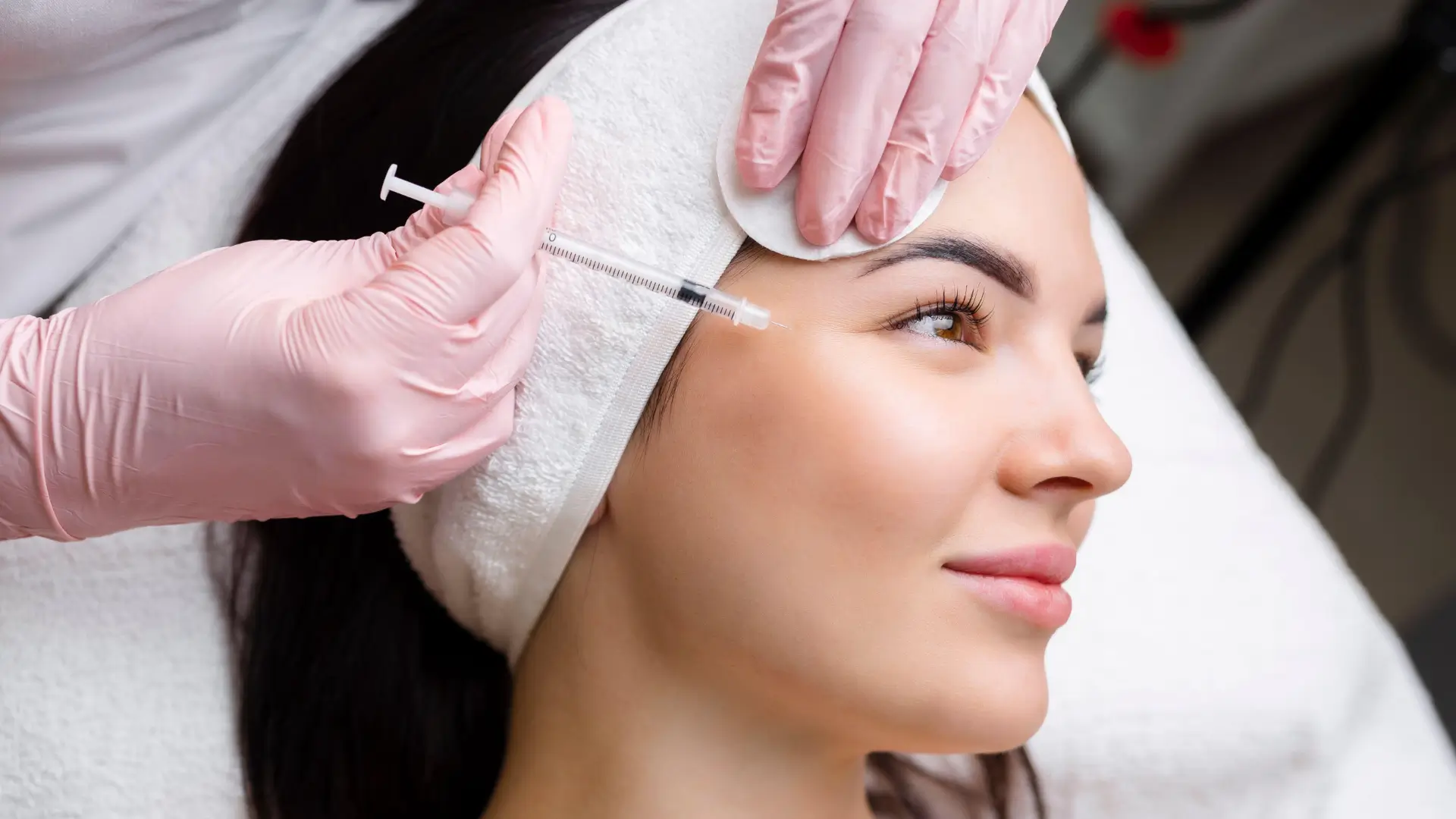
- Explain the unit logic. Many patients do not know botox is priced per unit. Explaining that the dose depends on the area and the strength of the muscles makes the fee feel reasoned rather than arbitrary.
- Pair price with benefits and side effects. Clinical conversations about expected benefits, typical onset, duration, and possible side effects give the price its context. Patients weighing whether botox is expensive usually want to know what they are getting for the money.
- Invite questions about cost and provide an itemized written estimate so patients can review how the quote was built.
- Offer choices, not discounts. When a budget is tight, a smaller initial scope or a phased plan respects the patient without undercutting the practice’s standard pricing.
The contents of this page are meant for licensed medical professionals. They serve informational purposes only and are not to be taken as medical advice.
Citations
[1] Carruthers, Jean et al. “Injectable DaxibotulinumtoxinA for the Treatment of Glabellar Lines: A Phase 2, Randomized, Dose-Ranging, Double-Blind, Multicenter Comparison With OnabotulinumtoxinA and Placebo.” Dermatologic surgery : official publication for American Society for Dermatologic Surgery [et al.] vol. 43,11 (2017): 1321-1331. doi:10.1097/DSS.0000000000001206
[2] Prager, Welf. “Differential characteristics of incobotulinumtoxinA and its use in the management of glabellar frown lines.” Clinical pharmacology : advances and applications vol. 5 (2013): 39-52. doi:10.2147/CPAA.S37582
[3] AbbVie Inc. “BOTOX® Cosmetic (OnabotulinumtoxinA) for Injection, for Intramuscular Use: Full Prescribing Information.” DailyMed, revised Oct. 2024, dailymed.nlm.nih.gov/dailymed/drugInfo.cfm?setid=485d9b71-6881-42c5-a620-a4360c7192ab.
[4] Allergan, Inc. “BOTOX® (OnabotulinumtoxinA) for Injection: Full Prescribing Information.” DailyMed, updated 18 Nov. 2023, dailymed.nlm.nih.gov/dailymed/drugInfo.cfm?setid=33d066a9-34ff-4a1a-b38b-d10983df3300.
[5] American Society of Plastic Surgeons. “Botulinum Toxin Cost.” American Society of Plastic Surgeons, www.plasticsurgery.org/cosmetic-procedures/botulinum-toxin/cost.
[6] Alam, Murad, Diana Bolotin, Jean Carruthers, Doris Hexsel, Naomi Lawrence, Kira Minkis, and Edward Victor Ross. “Consensus Statement Regarding Storage and Reuse of Previously Reconstituted Neuromodulators.” Dermatologic Surgery, vol. 41, no. 3, 2015, pp. 321–326. doi:10.1097/DSS.0000000000000303. www.asds.net/Portals/0/PDF/asdsa/white-paper-storage-and-reuse-of-reconstituted-neuromodulators.pdf.
This content was prepared and reviewed under our editorial guidelines , which govern how we source, verify, and update clinical and product information. Every claim is checked against peer-reviewed research, manufacturer documentation, or regulatory guidance before publication.
Choosing the right products starts with confidence in their authenticity. At Medica Depot, we prioritize genuine branded products, reliable sourcing, and quality you can trust. Explore our standards and learn more about how we ensure product authenticity.


