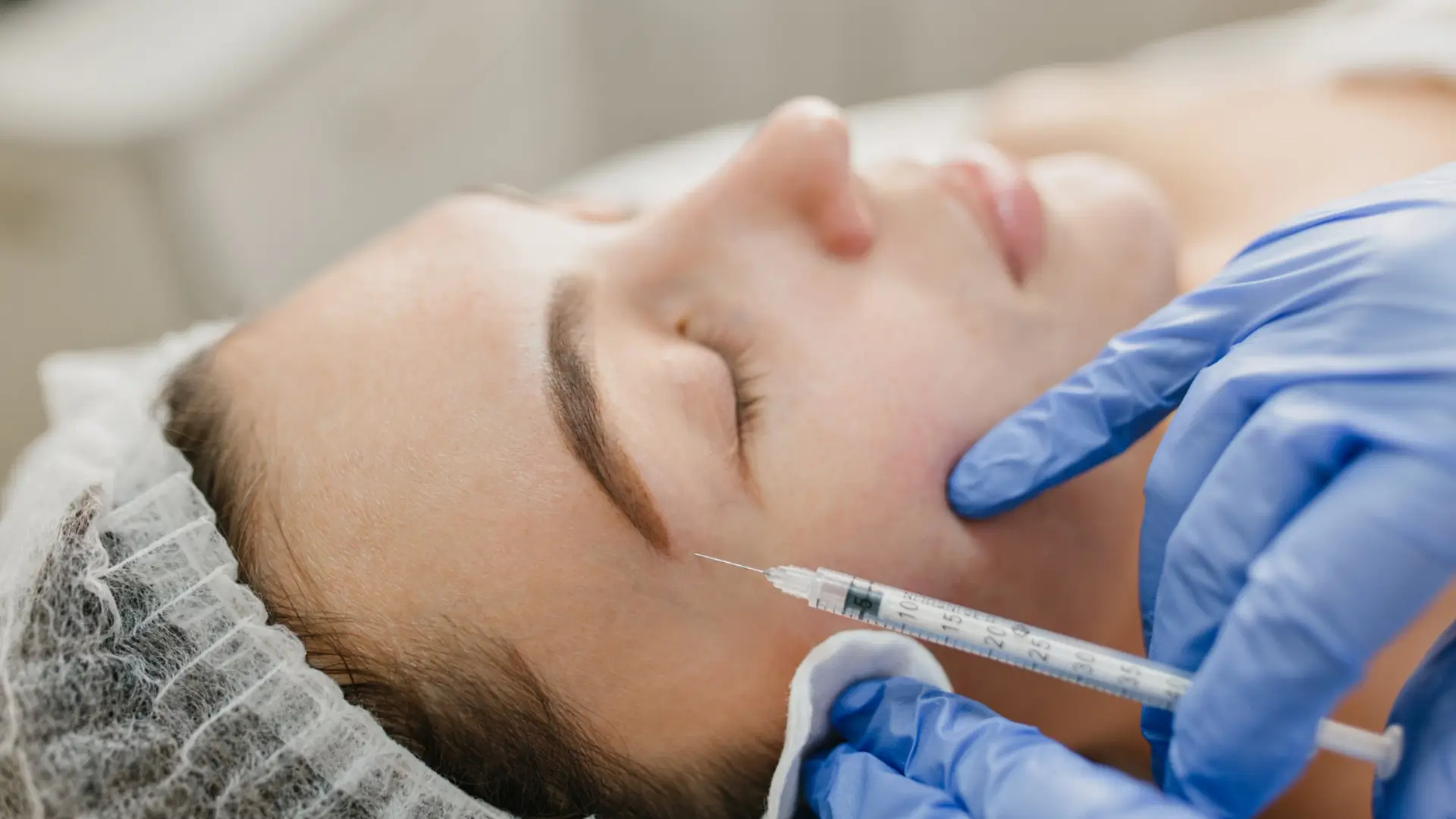
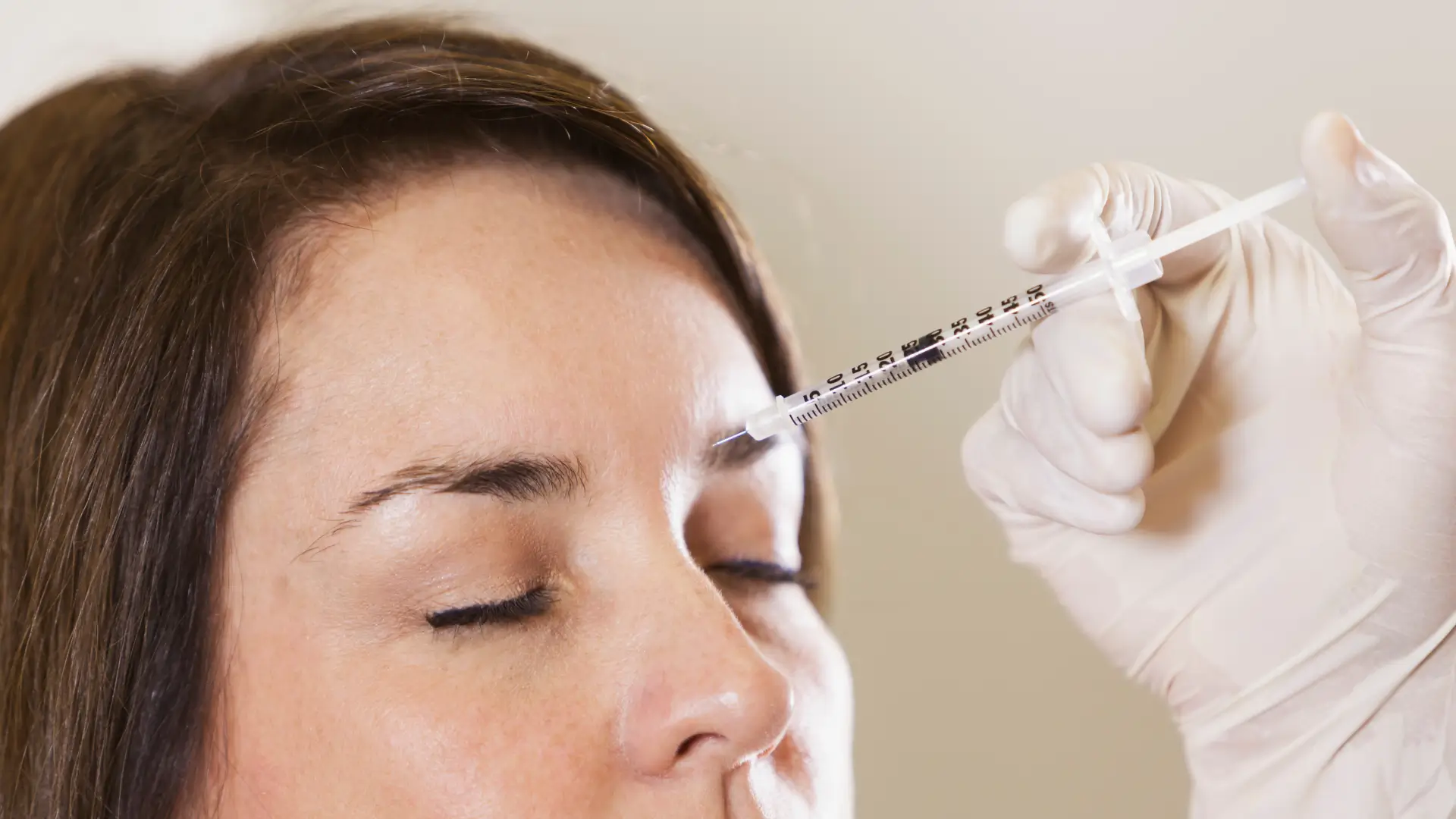
Comparisons like Botulax vs Nabota come up constantly among practitioners weighing which Korean botulinum toxin brand to bring into their practice, since both have built substantial track records. Medica Depot regularly fields the comparison from licensed professionals; for practitioners planning to order Botulax online, the sections below cover manufacturer and process, purity data, onset and efficacy evidence, safety, and regulatory reach. These are concrete differences that tend to shape the decision.
This article will explore who manufactures each brand, how purity and manufacturing processes are documented to differ, how onset of action and clinical efficacy compare, what safety profiles and side effects look like, the main differences practitioners should know, what patient satisfaction and online discussion say, and where each is actually indicated for use.
Key Takeaways
- Botulax comes from Hugel and Nabota from Daewoong. They are two separate Korean manufacturers with their own manufacturing processes, not variations on the same product.
- Published protein-content analysis puts Nabota’s neurotoxin purity slightly ahead of Botulax’s, though both fall well within normal range for conventional botulinum toxin type A products.
- No published head-to-head trial compares Botulax against Nabota directly. Most efficacy evidence for each comes from separate trials against Botox or placebo.
About: Medica Depot is your trusted all-in-one supplier, offering a range of high-quality medical injectables and supplies. We offer a worry-free experience in searching for the best and most popular products on the market, like [Botulax]. Whether for health professionals, plastic surgeons, dermatologists, licensed estheticians, or other specialists, we can offer genuine, brand-name products you may need. With Medica Depot, we prioritize serving you better to improve the patient’s quality of life.
A Quick Look at Botulax vs Nabota for Practitioners
Botulax and Nabota are both Korean botulinum toxin type A brands, but “Korean toxin” is where the similarity in branding stops. The two are independently developed products from two separate manufacturers, each with its own clinical trial history, purity data, and regulatory footprint.
Korean botulinum toxin as a category has grown considerably over the past decade, and Botulax and Nabota are two of its most established exports, competing not just with each other but with legacy brands like Botox® in markets where both are available.
Who Manufactures Botulax and Nabota? A Closer Look
Botulax is manufactured by Hugel Inc., headquartered in Chuncheon, South Korea. Nabota is a brand belonging to Daewoong Pharmaceutical, a separate South Korean pharmaceutical company with more than three decades in biotechnology, and Daewoong markets the same formulation in the United States under the name Jeuveau® through its commercial partner, Evolus.
The two companies use different purity and manufacturing process: Daewoong promotes its Hi-Pure production process for Nabota, claiming a neurotoxin purity above 98.7%, while Hugel doesn’t market Botulax around a comparably branded purity claim. Independent published data complicates a simple “higher number wins” reading of that claim, since the comparison depends heavily on which specific metric, like total protein, inactive protein share, or potency per unit protein, is being measured.
How Do Onset of Action and Clinical Efficacy Compare?
Neither product has been tested against the other directly in a published trial, so onset of action and clinical efficacy comparisons have to be pieced together from separate studies. Botulax’s Phase 3 program against Botox found comparable response rates at week 4 — 93.7% (133/142) for Botulax versus 94.5% (138/146) for Botox — with no statistically significant difference between the two groups on any variable at any measured time point [4].
A separate Phase 4 study designed specifically to pin down Nabota’s onset of action found visible improvement in glabellar frown lines emerging within the first several days post-injection, consistent with the onset window practitioners expect from botulinum toxin injections generally [3].
Both brands are used to reduce the appearance of wrinkles and fine lines by temporarily relaxing the muscles responsible for them, and on the available evidence, neither shows a decisive efficacy advantage over the other.
Comparing the Safety Profiles and Side Effects of Botulax vs Nabota

Safety profile data for both brands looks similar to what’s documented across botulinum toxin type A products generally. Common side effects include the following:
- Injection-site reactions such as bruising, tenderness, and swelling at the injection site
- Occasional headache
- Temporary eyelid drooping when injected near the upper face
In Botulax’s own Phase 3 trial against Botox, adverse events were reported as comparable between groups, with no notable difference in severity [4]. Nabota’s safety record from its own trials — the basis for its FDA, EMA, and Health Canada approvals — reflects a comparable pattern, without a documented signal that distinguishes it meaningfully from Botulax on safety grounds.
Both products also share the labeled safety framing that applies across botulinum toxin type A brands, including hypersensitivity to the formulation, infection at the injection site, and warnings around neuromuscular junction disorders such as myasthenia gravis, where either carries meaningful risk [5].
Main Differences Practitioners Should Know
Stripped of marketing language, the concrete differences between these two botulinum neurotoxin type A products come down to three things [1]:
- Manufacturer and origin (Hugel versus Daewoong, with separate manufacturing sites and separate quality systems)
- Regulatory reach (Nabota’s Jeuveau formulation carries FDA, EMA, and Health Canada approval, while Botulax’s Western-market presence runs through the separately branded Letybo)
- Published purity metrics, where independent protein-content analysis has found Nabota carrying somewhat less inactive neurotoxin protein than Botulax per vial
What doesn’t meaningfully differ is the basic classification: both are conventional, non-purified botulinum toxin type A products in the same broad category as Botox, sharing similar mechanisms, onset windows, and duration once reconstituted and injected.
What Do Patient Satisfaction and Online Discussion Say?
Patient satisfaction themes for both brands lean similar in tone: practitioners report high satisfaction rates when either product is dosed correctly, with most dissatisfaction traced back to under-dosing or unrealistic expectations rather than the toxin itself.
Botulax vs Nabota discussions on online forums follow a familiar pattern — less debate over clinical results and more comparison of price point, sourcing reliability, and which brand a given clinic’s supplier already stocks.
Threads discussing Nabota and Botulax together tend to converge on the same conclusion practitioners reach clinically: both are credible, well-documented Korean options, and the deciding factor for most clinics ends up being supply relationships and cost per unit rather than a meaningful performance gap between the two.
What Are the Indications? Moderate to Severe Glabellar Lines and Beyond
Both brands share their core indication: temporary improvement of moderate to severe glabellar lines in adults, the indication both products’ pivotal trials were built around.
Nabota’s FDA-approved form, Jeuveau, is currently indicated specifically for aesthetic use — glabellar lines — making it, notably, the only FDA-approved botulinum toxin type A product limited to a purely aesthetic indication rather than carrying broader medical uses [2].
Botulax’s approved indications extend further in its home market, covering additional cosmetic treatments and therapeutic muscle relaxation uses. In practice, both are used across broader skin rejuvenation and cosmetic treatments beyond their labeled indications, as is common across botulinum toxin treatments generally, though off-label use carries its own separate risk and documentation considerations for practitioners.
How to Choose Between Botulax and Nabota
For medical professionals and healthcare providers choosing between the two, the honest answer is that neither has a documented clinical edge significant enough to override practical considerations like sourcing, pricing, and how a clinic’s existing patients respond to a given brand name.
Botulax’s broader dosing range and established use across both cosmetic and therapeutic applications may suit clinics doing more varied work, while Nabota’s regulatory reach in Western markets can matter more for clinics positioning around FDA-adjacent credibility.
Whichever brand a clinic settles on, correct Nabota or Botulax storage remains just as important as the product choice itself — mishandling either one before injection will affect results more than the brand difference will.
Looking to buy Botulax online? Get in touch with our customer service representatives at Medica Depot for further guidance.
The contents of this page are meant for licensed medical professionals. They serve informational purposes only and are not to be taken as medical advice.
Citations
[1] Frevert, Jürgen et al. “Comparison of botulinum neurotoxin type A formulations in Asia.” Clinical, cosmetic and investigational dermatology vol. 11 327-331. 5 Jul. 2018, doi:10.2147/CCID.S160723
[2] U.S. Food and Drug Administration. “JEUVEAU® (PrabotulinumtoxinA-xvfs) for Injection: Prescribing Information.” U.S. Food and Drug Administration, revised Feb. 2019, www.accessdata.fda.gov/drugsatfda_docs/nda/2019/761085Orig1s000Lbl.pdf.
[3] Song, Sinyoung et al. “Safety, efficacy, and onset of a novel botulinum toxin type A (Nabota) for the treatment of glabellar frown lines: a single-arm, prospective, phase 4 clinical study.” Archives of craniofacial surgery vol. 19,3 (2018): 168-174. doi:10.7181/acfs.2018.01886
[4] Won, Chong H et al. “Efficacy and safety of a novel botulinum toxin type A product for the treatment of moderate to severe glabellar lines: a randomized, double-blind, active-controlled multicenter study.” Dermatologic surgery : official publication for American Society for Dermatologic Surgery [et al.] vol. 39,1 Pt 2 (2013): 171-8. doi:10.1111/dsu.12072
[5] U.S. Food and Drug Administration. “BOTOX® (OnabotulinumtoxinA): Full Prescribing Information.” U.S. Food and Drug Administration, revised 2011, www.accessdata.fda.gov/drugsatfda_docs/label/2011/103000s5236lbl.pdf.
This content was prepared and reviewed under our editorial guidelines , which govern how we source, verify, and update clinical and product information. Every claim is checked against peer-reviewed research, manufacturer documentation, or regulatory guidance before publication.