According to the American Society of Plastic Surgeons’ 2024 Procedural Statistics, hyaluronic acid (HA) fillers were the second-most common minimally invasive cosmetic procedure reported by ASPS members in the United States, with 5,331,426 procedures performed. Neuromodulator injections ranked first, with 9,883,711 procedures. These treatments restore lost volume, refine facial contours, smooth wrinkles, and enhance skin quality without surgical intervention.
Among the vast array of available dermal fillers, Restylane, a Galderma portfolio, and JUVÉDERM, a portfolio from Allergan Aesthetics, an AbbVie company, remain widely recognized HA dermal-filler portfolios used in aesthetic medicine. While both brands utilize biocompatible, non-animal stabilized hyaluronic acid to achieve aesthetic rejuvenation, their underlying cross-linking technologies, rheological profiles, and clinical indications differ.medicadepot+2
Understanding the technical nuances of Restylane or Juvederm helps medical injectors and patients select the ideal formulation for each anatomical target.
Key Takeaways
- HA fillers are among the most frequently performed minimally invasive cosmetic procedures reported in the ASPS 2024 statistics, with 5,331,426 procedures recorded in the United States.
- Restylane and JUVÉDERM are two established HA filler portfolios, but individual products differ in formulation, rheological properties, approved indications, and expected duration.
- Results are temporary and vary according to the product, treatment area, injection technique, amount used, and individual patient factors.
- FDA approval applies to specific products, patients, and anatomical areas; a treatment that is marketed generally may not be FDA-approved for every location.
- Dermal filler injections are medical procedures and should be performed by a properly licensed, trained healthcare professional.
- Although common reactions are usually temporary, rare vascular complications can be serious or permanent.
About: Medica Depot is your trusted all-in-one supplier, offering a range of high-quality medical injectables and supplies. Buy Restylane online at Medica Depot today! Whether for health professionals, plastic surgeons, dermatologists, licensed estheticians, or other specialists, we can offer genuine, brand-name products you may need. With Medica Depot, we prioritize serving you better to improve the patient’s quality of life.
Introduction to Restylane and Juvederm
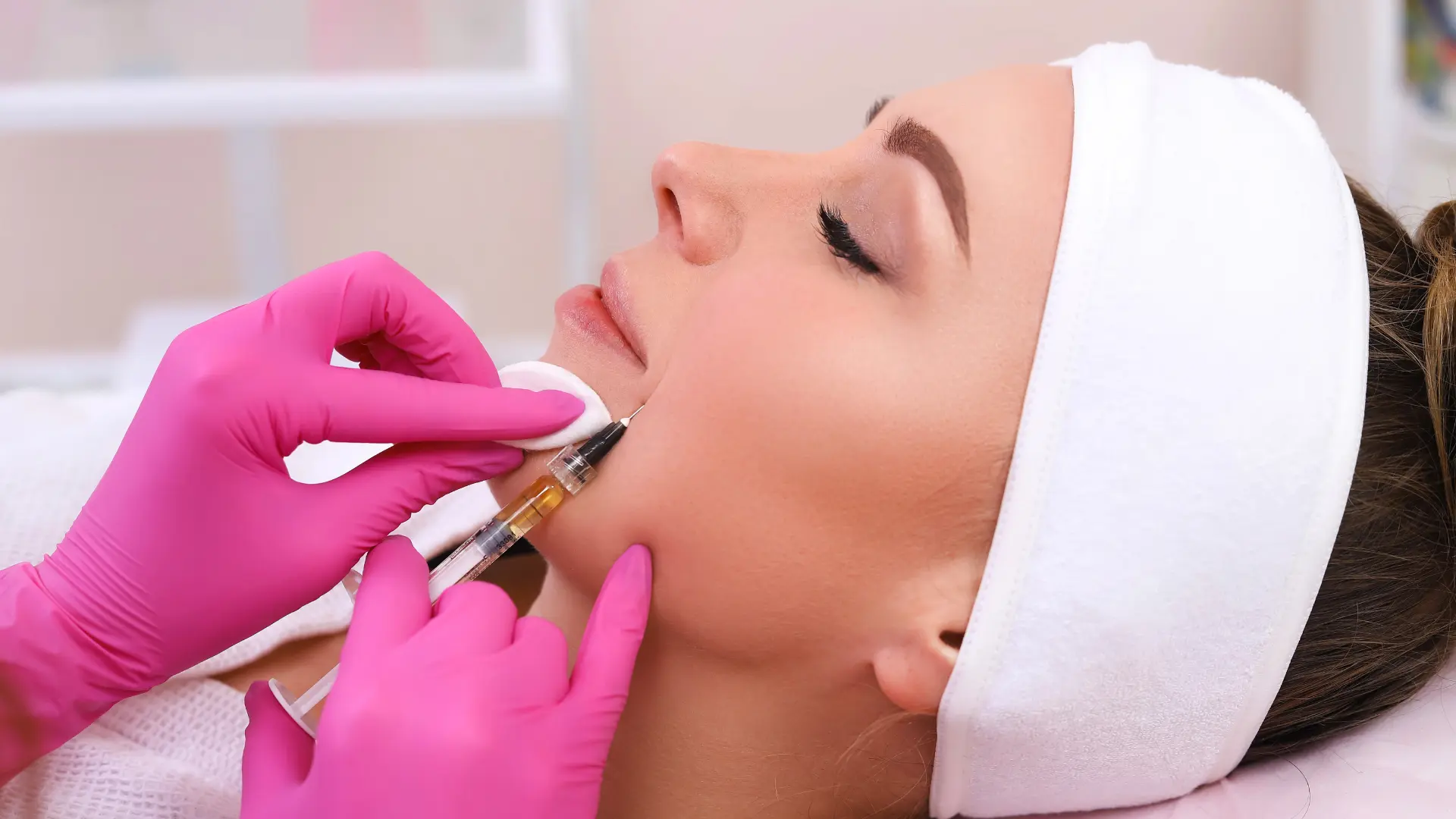
When choosing between Restylane or Juvederm, both are US Food and Drug Administration-approved dermal fillers that can treat signs of aging, such as wrinkles and fine lines. These brands capitalize on the potency of hyaluronic acid (HA), a substance naturally found in the skin.
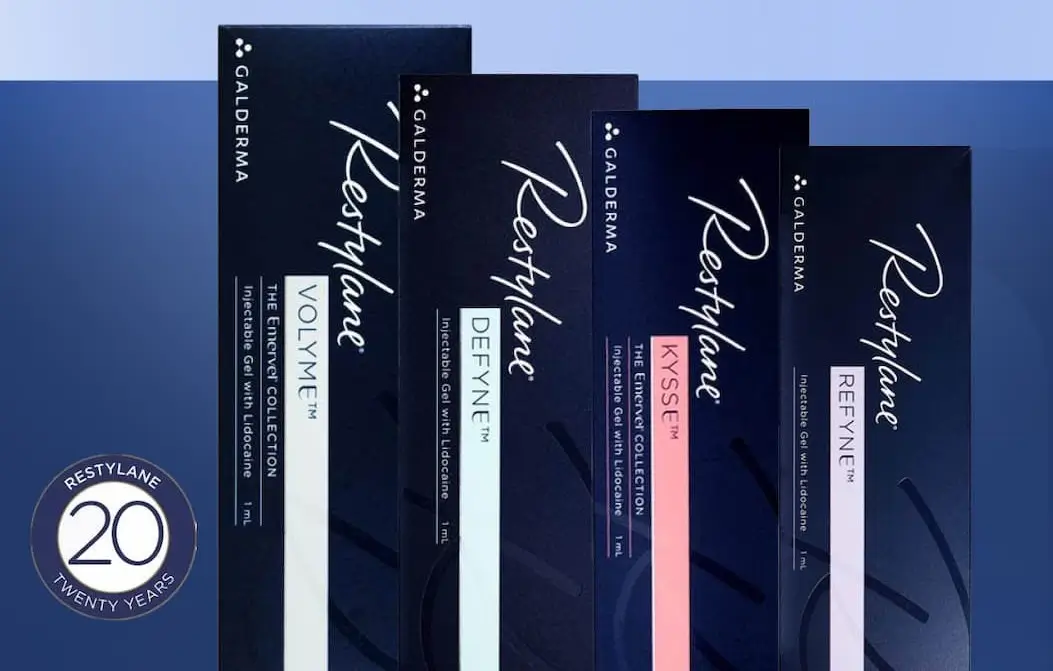
Restylane offers a collection of HA dermal fillers, each with specific indications for each treatment area. Its nine HA fillers available in the United States market can effectively smooth facial folds, wrinkles, and fine lines, restore lost volume, and define facial features.
On the other hand, Juvederm, a well-known HA dermal filler brand, also provides a wide range of HA-based dermal fillers to restore facial regions, enhance facial contours, and improve the signs of aging in the facial area.
HA fillers are crucial in aesthetic medicine, making them an ideal choice for individuals’ aesthetic treatments. While these injectables exhibit temporary results, Restylane and Juvederm can offer longer-lasting outcomes and immediate improvements after the procedure.
Formulation and Composition
Patients should know the formulation and composition of these injectables to understand the precautions and contraindications. Medical professionals can explain these hyaluronic acid (HA) formulations so patients can choose the one that best fits their aesthetic goals and overall health.
Restylane products use Galderma’s NASHA® and XpresHAn® technologies. NASHA formulations are designed to provide a more structured gel, while XpresHAn formulations are engineered to balance flexibility, movement, and support. These are general portfolio-level descriptions; each product’s physical properties and approved uses vary. Clinical performance depends on the specific formulation, injection depth, treatment area, technique, and patient factors.
- NASHA Technology: Restylane, Restylane-L, Restylane Lyft with Lidocaine, Restylane Silk, and Restylane Eyelight.
- XpresHAn Technology: Restylane Kysse, Restylane Refyne, Restylane Defyne, and Restylane Contour.
Juvederm products contain crosslinked, modified HA gels. The portfolio is manufactured using proprietary formulation approaches, including Vycross® technology for certain products. Differences in HA concentration, crosslinking, gel structure, cohesivity, elasticity, and injection characteristics help determine how a specific product is used. These technical properties should be discussed using the applicable product’s official prescribing information.
While specific information about particle size, viscosity, and spreadability, it’s worth noting that these are crucial factors for the injections. Particle size and crosslinking technology affect the viscosity and spreadability, which impacts Restylane and Juvederm’s performance, outcome, efficacy, and longevity.
Choosing Restylane or Juvederm: Treatment Indications

Restylane and Juvederm have different formulations tailored for specific areas, such as lips, cheeks, and nasolabial folds. The choice depends on the medical professional’s recommendation, the patient’s desired outcome, and the area treated.
In the United States, FDA-approved dermal fillers are generally indicated for adults 22 years of age or older, although the exact age requirement and approved treatment area depend on the individual product’s labeling. Notably, in the US, the Restylane portfolio includes nine named HA products, although availability, labeling, and approved indications may vary by market. These specific indications deliver optimal outcomes when administered by licensed and experienced medical professionals.
- Restylane and Restylane-L: Correction of moderate-to-severe facial wrinkles and folds, such as nasolabial folds; also indicated for lip enhancement according to current labeling.
- Lyft with Lidocaine: Correction of moderate-to-severe facial wrinkles and folds, cheek augmentation, correction of age-related midface contour deficiencies, dorsal-hand volume loss, and chin augmentation in adults with mild-to-moderate chin retrusion.
- Silk: Lip augmentation and correction of perioral wrinkles.
- Kysse: Lip augmentation and correction of upper perioral wrinkles.
- Refyne: Correction of moderate-to-severe facial wrinkles and folds, such as nasolabial folds.
- Defyne: Correction of moderate-to-severe deep facial wrinkles and folds, such as nasolabial folds, and chin augmentation for mild-to-moderate chin retrusion.
- Contour: Cheek augmentation, correction of midface contour deficiencies, and correction of temple hollowing.
- Eyelight: Improvement of infraorbital hollowing in patients over 21.
Juvederm Collection of Fillers Uses
Meanwhile, Juvederm also boasts its hyaluronic acid (HA) dermal fillers, which have proven effective in addressing individuals’ skin concerns. Whether for enhancing contours, adding volume, or smoothing signs of aging, Juvederm has a specific product for each need.
- Volux XC: Improvement of moderate-to-severe loss of jawline definition in adults over 21.
- Voluma XC: Correction of age-related volume loss in the cheeks, chin augmentation to improve chin profile, and augmentation of the temple region to improve moderate-to-severe temple hollowing in adults over 21.
- Vollure XC: Correction of moderate-to-severe facial wrinkles and folds, such as nasolabial folds, in adults over 21.
- Ultra Plus XC: Correction of moderate-to-severe facial wrinkles and folds, such as nasolabial folds.
- Ultra XC: Correction of moderate-to-severe facial wrinkles and folds, with additional lip and perioral-area indications for lip augmentation in adults over 21.
- Volbella XC: Lip augmentation, correction of perioral lines, and improvement of the appearance of undereye hollows in adults over 21.
Longevity and Durability
Restylane and Juvederm are renowned for their durability. They provide aesthetic enhancements that can last several months to over a year. However, patients must understand that the longevity of these fillers can be influenced by factors such as the treatment area, the amount injected, and the speed at which the patient’s body metabolizes the filler material.
- Duration of Results with Restylane: Each of the Restylane injectables has a different expected duration of results, ranging from six (6) to 18 months.
- Duration of Results with Juvederm: According to Juvederm’s FAQs, results may generally last one (1) year to two (2) years with optimal treatment.
HA filler results are temporary, but duration varies considerably by product and treatment area. Some products may provide correction for several months, while others may last approximately 12 to 24 months or longer in particular indications. The duration stated in product labeling or clinical studies generally reflects results under specific treatment conditions and should not be interpreted as a guarantee for every patient. Maintenance treatments may be needed.
Patient Outcomes and Satisfaction

Direct head-to-head evidence comparing the complete Restylane and JUVÉDERM portfolios is limited. Clinical studies generally evaluate individual products for specific treatment areas rather than comparing the two brands as a whole. Results like Restylane under eyes before and after and online testimonials from Juvederm patients have significantly improved patient concerns.
According to Li et al. (2017), their study showed the safety and effectiveness of Juvederm Ultra Plus for correcting severe nasolabial folds. Ballin et al. (2013) revealed that Juvederm with pre-incorporated lidocaine is associated with significantly less injection pain than a non-lidocaine hyaluronic acid (HA) gel formulation.
Meanwhile, Hu et al. (2022), Restylane HA fillers had an excellent therapeutic effect on the correction of nasolabial folds and had a more prolonged effect. Online review platforms like RealSelf provided patient insights and showed that Restylane injectables have a good 85% patient satisfaction rate based on user reviews [3].
Moreover, Juvederm treatments had an average patient satisfaction rate of 92%, based on RealSelf user experiences. Furthermore, the effectiveness of both fillers varies by individual factors such as skin type, treatment area, and patient’s age [4].
Pros and Cons
Restylane and Juvederm are hyaluronic acid-based dermal fillers with advantages and potential drawbacks. It’s worth noting that Restylane or Juvederm injectables share almost the same pros when administered by healthcare providers. These HA fillers can deliver the following benefits to patients:
- Natural-Looking Results
- Overall Facial Rejuvenation
- Volumize, Enhance, and Smooth Facial Concerns
- Immediate Improvements
- Longer-Lasting Outcomes
Potential Risks
Medical professionals know that these injections can cause potential side effects and must adequately discuss them with patients. This allows them to make informed decisions for their treatments. However, these typical symptoms may resolve within a few days or weeks. The common side effects of Restylane and Juvederm are as follows:
- Restylane: Swelling, redness, pain, bruising, headache, tenderness, lump formation, itching at the injection site, and impaired hand function (Restylane Lyft use).
- Juvederm: Redness, swelling, pain, tenderness, firmness, lumps/bumps, bruising, discoloration, itching, and dryness (Juvederm Volbella XC use).
Rare but serious complications can occur if filler is unintentionally injected into a blood vessel. These complications may include skin necrosis, visual impairment or blindness, stroke, and damage to underlying tissue. Patients should seek immediate medical attention for unusual or severe pain, blanching or gray-blue skin, vision changes, weakness, facial drooping, difficulty speaking, severe headache, dizziness, or confusion.
fda
Conclusion
Restylane and Juvederm are excellent choices for dermal fillers and are known for their safety and efficacy. These injectables offer significant volume, smooth texture, enhanced contours, and a versatile collection of fillers. Both are hyaluronic acid-based, a natural substance in the skin that attracts and retains moisture. This makes them safe and effective for aesthetic treatments.
Medical professionals can help patients choose between Restylane or Juvederm based on the specific treatment area, product used, and desired outcome. Both can deliver longer-lasting results, and their unique formulations allow them to provide optimal outcomes. Always consult a qualified professional to make the best decision for your needs.
FAQs
1. What are Restylane and Juvederm?
Restylane and Juvederm are US Food and Drug Administration-approved dermal fillers. Both utilize hyaluronic acid (HA) to treat signs of aging, such as wrinkles and fine lines.
2. How do Restylane and Juvederm differ in formulation and composition?
Restylane uses a clear gel HA formulation with patented technologies like non-animal stabilized hyaluronic acid (NASHA) and XpresHAn. At the same time, Juvederm utilizes a modified form of HA and Vycross Technology to crosslink the HA molecules in its fillers.
3. What are the treatment indications for Restylane and Juvederm?
Restylane and Juvederm offer different formulations tailored for specific areas such as lips, cheeks, and nasolabial folds to address various aesthetic concerns, including wrinkles, volume loss, and facial contouring.
Citations
[1] American Society of Plastic Surgeons. (2023). The American Society of Plastic Surgeons ® Procedural Statistics Data Insights Partners: 2022 ASPS Procedural Statistics Release. American Society of Plastic Surgeons. https://www.plasticsurgery.org/documents/News/Statistics/2022/plastic-surgery-statistics-report-2022.pdf
[2] Hu, Y., Liu, Z., Wang, Y., Yu, Q., Gong, Y., Diao, H., Jin, Y., Zhang, S., & Shi, Y. (2022). Efficacy and safety of two hyaluronic acid fillers with different injection depths for the correction of moderate-to-severe nasolabial folds: A 52-week, prospective, randomized, double-blinded study in a Chinese population. Journal of cosmetic dermatology, 21(3), 940–948. https://doi.org/10.1111/jocd.14744
[3] “Restylane Reviews | Was It Worth It? | RealSelf.” RealSelf.com, 22 May 2026, www.realself.com/reviews/restylane.
[4] “Juvederm Reviews | Was It Worth It? | RealSelf.” RealSelf.com, 6 Mar. 2026, www.realself.com/reviews/juvederm.
This content was prepared and reviewed under our editorial guidelines , which govern how we source, verify, and update clinical and product information. Every claim is checked against peer-reviewed research, manufacturer documentation, or regulatory guidance before publication.