
Skin boosters are a broad category of injectable or biologically active treatments intended to improve selected aspects of skin quality, such as hydration, elasticity, texture, and the appearance of fine lines. In aesthetic medicine, they may be considered for some age-related changes and other skin concerns, although suitability depends on the product, indication, patient, and available clinical evidence.
As skin boosters evolve, brands have incorporated various active ingredients into their injectables, such as polynucleotides derived from salmon DNA and hyaluronic acid. Rejuran is a polynucleotide-based injectable, while Profhilo uses a patented formulation of high- and low-molecular-weight hyaluronic acid. Both may improve selected aspects of skin quality, but their results and suitability vary among patients.
This article will compare Rejuran vs Profhilo, their compositions, mechanisms of action, clinical efficacy, benefits, side effects, and the longevity of results.
Key Takeaways
- The Rejuran manufacturer utilizes polynucleotides derived from salmon DNA, while Profhilo injections capitalize on highly pure hyaluronic acid.
- These skin boosters can deliver various benefits, specifically anti-aging, due to Rejuran’s skin regeneration and Profhilo’s bio-remodeling effects.
- Medical practitioners should discuss potential side effects, contraindications, alternatives, aftercare, and realistic expectations before administering either treatment.
- When administered by appropriately qualified professionals, Rejuran and Profhilo may provide temporary improvements in selected skin-quality measures.
- A commonly described Rejuran course involves three initial sessions spaced approximately two to four weeks apart. Profhilo’s standard facial protocol generally involves two sessions about four weeks apart.
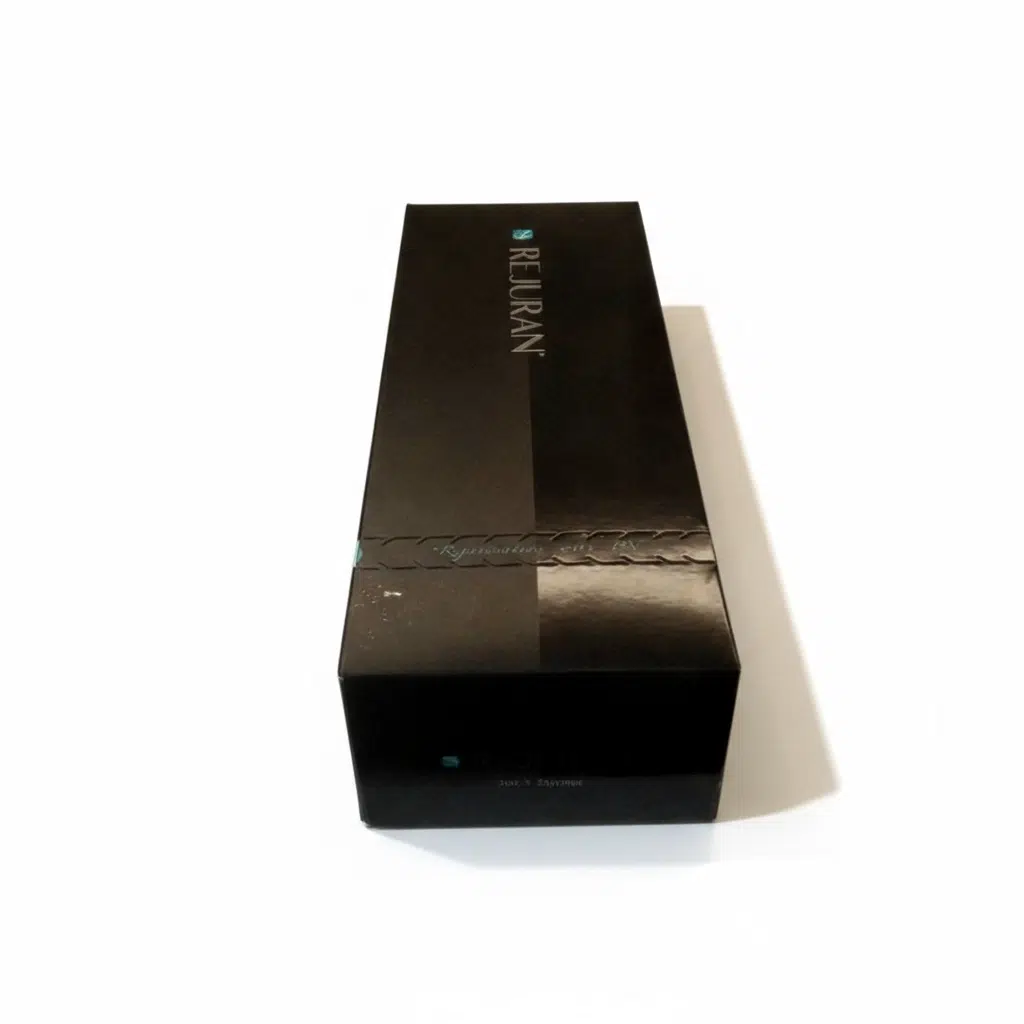
About: Medica Depot is your trusted all-in-one supplier, offering a range of high-quality medical injectables and supplies. Buy Rejuran wholesale at Medica Depot today! Whether for health professionals, plastic surgeons, dermatologists, licensed estheticians, or other specialists, we can offer genuine, brand-name products you may need. With Medica Depot, we prioritize serving you better to improve the patient’s quality of life.
Understanding Rejuran vs Profhilo
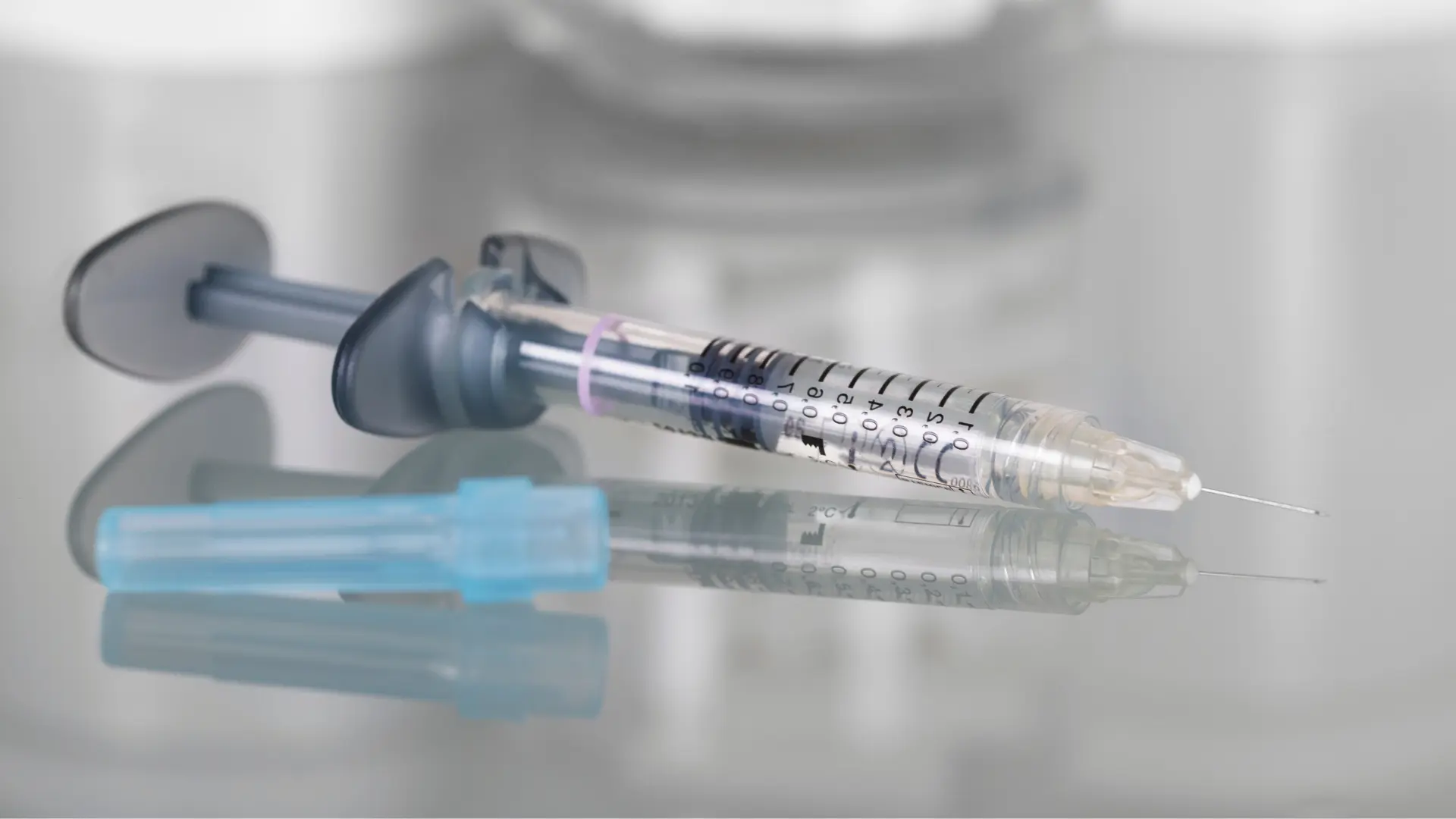
Skin boosters are minimally invasive injectable treatments used in aesthetic medicine to address selected skin-quality concerns. When comparing Rejuran vs Profhilo, medical professionals consider their different ingredients, treatment goals, evidence, and patient factors. A consultation can help determine whether either product fits an individual’s needs.
Rejuran is a polynucleotide-based injectable developed by PharmaResearch. Its polynucleotides are generally described as purified DNA-derived polymers from salmonid sources. Proposed effects include supporting dermal hydration, tissue remodeling, and cellular repair processes. Early studies suggest possible improvements in skin texture, elasticity, hydration, and fine lines, but the clinical evidence remains limited and heterogeneous.
Meanwhile, Profhilo contains a patented formulation of high- and low-molecular-weight hyaluronic acid produced using NAHYCO® technology. The product is designed to spread through the treated tissue and is marketed for hydration and skin bio-remodeling. Clinical studies have reported improvements in selected measures of skin quality, but claims about dermal-cell stimulation and correction of sagging tissue should be presented cautiously.
Mechanism of Action
Rejuran uses polynucleotides that are proposed to support dermal hydration, tissue remodeling, and cellular repair pathways. These effects may contribute to improvements in skin texture, elasticity, and fine lines. However, the precise mechanism and clinical magnitude of benefit remain under investigation, and outcomes vary among patients.
Furthermore, Profhilo’s high concentration of hyaluronic acid supports water retention and skin hydration. The product is also marketed for bio-remodeling, with proposed effects on dermal structure and skin quality. Clinical studies have reported improvements in hydration, elasticity, texture, and selected facial parameters, but “firmer” or “more youthful” results should be described as possible outcomes rather than guaranteed effects.
The Clinical Efficacy and Skin Concerns

Clinical studies of Rejuran and other polynucleotide injectables have reported possible improvements in hydration, elasticity, texture, and fine lines. However, studies differ in their product formulations, sample sizes, injection techniques, treatment intervals, and outcome measures. Evidence for reducing pigmentation, sagging, or “normalizing” skin remains limited, so these benefits should not be presented as universal or confirmed outcomes.
In a 16-week open-label evaluation, participants received two treatments of stable hybrid cooperative complexes containing high- and low-molecular-weight hyaluronic acid, spaced four weeks apart [2]. Several facial parameters improved, and investigators and participants generally rated tolerability and safety favorably. Because the study was open-label and lacked a control group, its findings support possible short-term skin-quality benefits but do not prove that Profhilo is superior to other treatments.
Although clinical evidence for Rejuran remains limited, patients should not rely on Rejuran Healer reviews or before-and-after photographs alone to judge efficacy. Such materials may be affected by lighting, photography, concurrent treatments, and selective reporting. Profhilo reviews and testimonials may describe patient experiences, but they do not replace peer-reviewed studies or a consultation with a qualified medical professional.
Benefits, Side Effects, and Longevity of Results
Rejuran may provide selected skin-quality benefits, including improved hydration, texture, elasticity, and the appearance of fine lines. Its polynucleotides (Rejuran salmon DNA component) are proposed to support tissue remodeling and cellular repair. The degree and duration of improvement vary, and the treatment should not be described as guaranteed skin regeneration or a cure for age-related changes.
Meanwhile, Profhilo’s hyaluronic acid formulation can support skin hydration and may improve selected measures of elasticity, texture, and radiance. It is marketed as a bio-remodeling treatment rather than a conventional volumizing filler. Some patients may notice a firmer or more refreshed appearance, but visible lifting and collagen-related effects should not be guaranteed.
Medical practitioners should explain the potential side effects, contraindications, aftercare, and warning signs before treatment. Common injection-related reactions may include redness, swelling, tenderness, bruising, itching, discomfort, or temporary bumps. These effects often improve within several days, but duration varies. Rare, serious complications are possible with injectable procedures and require prompt medical assessment.
- Common Rejuran Side Effects: Temporary redness, swelling, tenderness, bruising, discomfort, or small injection-site bumps.
- Common Profhilo Side Effects: Temporary bumps, redness, swelling, discomfort, itching, bruising, tenderness, or pain at the injection sites.
The duration of results varies by product, treatment course, treatment area, patient factors, and maintenance plan. Some providers report Rejuran benefits lasting several months, and Profhilo benefits lasting approximately six months or longer, but these timeframes are not guaranteed and should not be presented as fixed clinical outcomes. Maintenance treatment may be considered when recommended by the treating professional.
Practical Considerations
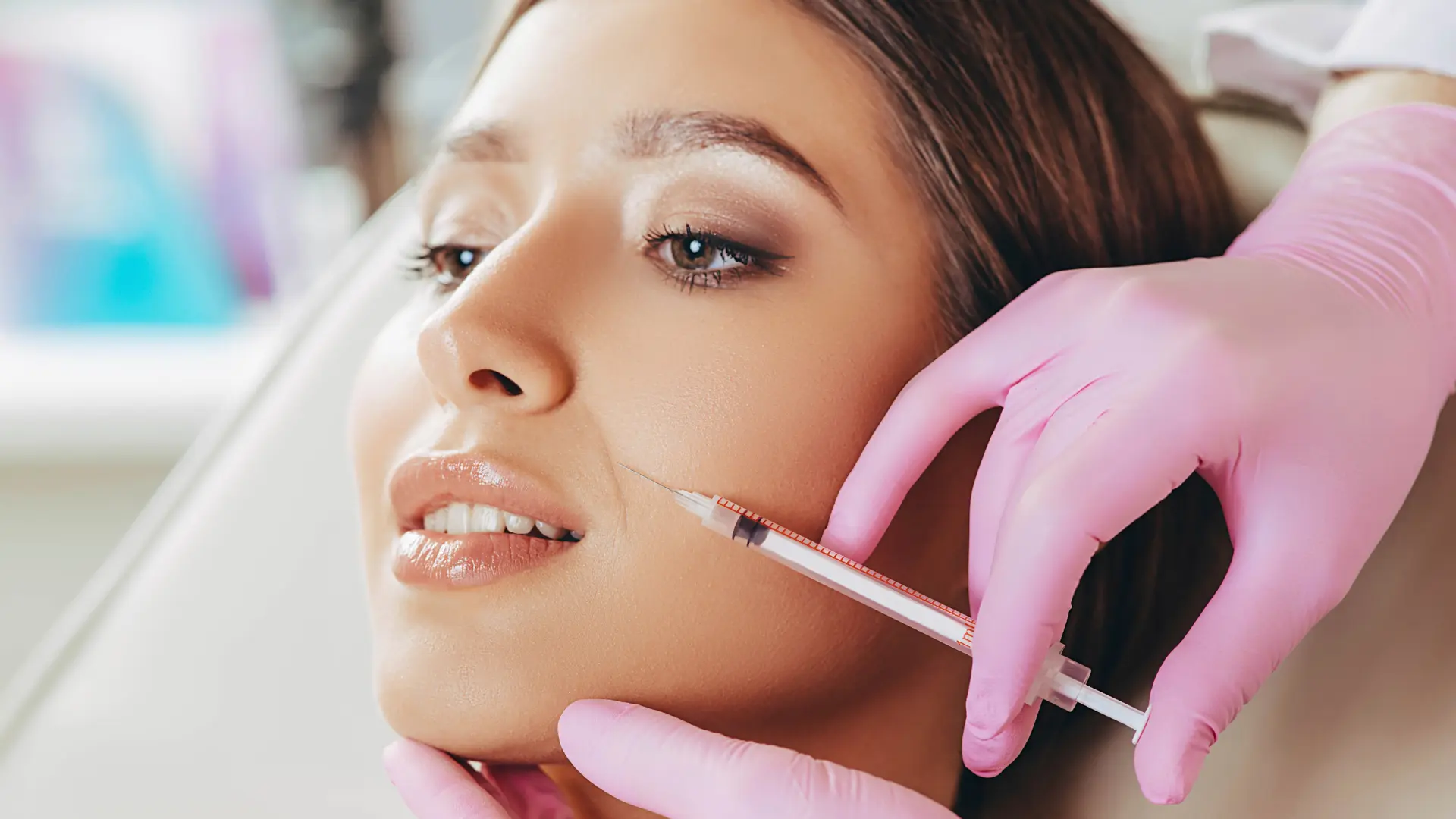
Understanding the treatment procedures can help patients discuss Rejuran vs Profhilo with a qualified medical professional. Providers should explain the product, injection technique, expected results, number of sessions, recovery, alternatives, and potential risks so patients can make informed decisions.
A commonly described Rejuran course involves three initial sessions spaced approximately two to four weeks apart, although protocols vary by product, treatment area, and provider. Rejuran is commonly administered through multiple intradermal injections, but the exact depth, dose, spacing, and technique should follow current product information and the treating professional’s clinical judgment. Polynucleotides are proposed to support improved skin quality and tissue remodeling.
Profhilo’s commonly studied facial protocol involves two treatment sessions approximately four weeks apart. The BAP technique uses ten facial injection points—five on each side—but the technique and treatment area may vary according to current product instructions and clinical judgment. These points are intended to support product distribution; they do not guarantee even results, deep hydration, or increased firmness.
Patient satisfaction data for Rejuran and Profhilo remain limited and may be influenced by expectations, photography, concurrent treatments, and follow-up time. Before-and-after photographs can illustrate individual experiences but do not establish safety or efficacy. Rejuran contains polynucleotides, while Profhilo contains hyaluronic acid; both are marketed as different approaches to improving skin quality.
Treatment costs vary substantially by country, clinic, provider qualifications, product version, treatment area, dosage, and number of sessions. The quoted Rejuran vs Profhilo ranges should therefore be labeled as examples, dated, and verified before publication. Patients should request a personalized quotation from a qualified provider. Maintenance treatment may be recommended for some patients, but neither product universally requires a fixed maintenance schedule.
Conclusion
When considering Rejuran vs Profhilo for anti-aging treatments, it is essential to understand these skin boosters’ unique compositions and mechanisms of action. Rejuran harnesses the power of polynucleotides derived from salmon DNA to promote skin regeneration and collagen synthesis, while Profhilo relies on highly pure hyaluronic acid to deliver intense hydration and stimulate collagen and elastin production.
Both treatments have demonstrated clinical efficacy in addressing aging-related skin concerns. Medical practitioners are crucial in discussing the potential benefits, side effects, and treatment protocols with patients to help them make informed decisions based on their unique needs. The choice between Rejuran and Profhilo will depend on individual skin concerns and treatment preferences.
FAQs
1. What are the key differences between Rejuran vs Profhilo?
Rejuran utilizes polynucleotides derived from salmon DNA, while Profhilo injections capitalize on highly pure hyaluronic acid.
2. What are the benefits of Rejuran and Profhilo for anti-aging?
Rejuran stimulates collagen production and tissue repair, improving skin elasticity and delivering skin regeneration. Profhilo provides intense hydration, stimulates collagen production, and offers visible skin lifting.
3. How many treatments are typically required for Rejuran and Profhilo, and what is the spacing between treatments?
Rejuran’s typical treatment protocol requires three initial injections spaced three weeks apart, while Profhilo’s treatment protocol usually involves two to three injections, with a month between the first and second shots.
Citations
[1] Arora, Gulhima, et al. “Biorevitalization of the Skin With Skin Boosters: Concepts, Variables, and Limitations.” Journal of Cosmetic Dermatology, vol. 20, no. 8, Nov. 2020, pp. 2458–62. https://doi.org/10.1111/jocd.13871.
[2] Cheng, Suzanne Wei Na, et al. “Efficacy and Tolerability of Stable Hybrid Cooperative Complexes of High- and Low-Molecular Weight Hyaluronic Acid in Asian Patients: An Open-Label Study.” Aesthetic Plastic Surgery, vol. 50, no. 1, Sept. 2025, pp. 27–36. https://doi.org/10.1007/s00266-025-05188-x.
[3] Sparavigna, Adele, and Beatrice Tenconi. “Efficacy and Tolerance of an Injectable Medical Device Containing Stable Hybrid Cooperative Complexes of High- and Low-molecular-weight Hyaluronic Acid: A Monocentric 16 Weeks Open-label Evaluation.” Clinical Cosmetic and Investigational Dermatology, vol. Volume 9, Sept. 2016, pp. 297–305. https://doi.org/10.2147/ccid.s114450.
This content was prepared and reviewed under our editorial guidelines , which govern how we source, verify, and update clinical and product information. Every claim is checked against peer-reviewed research, manufacturer documentation, or regulatory guidance before publication.