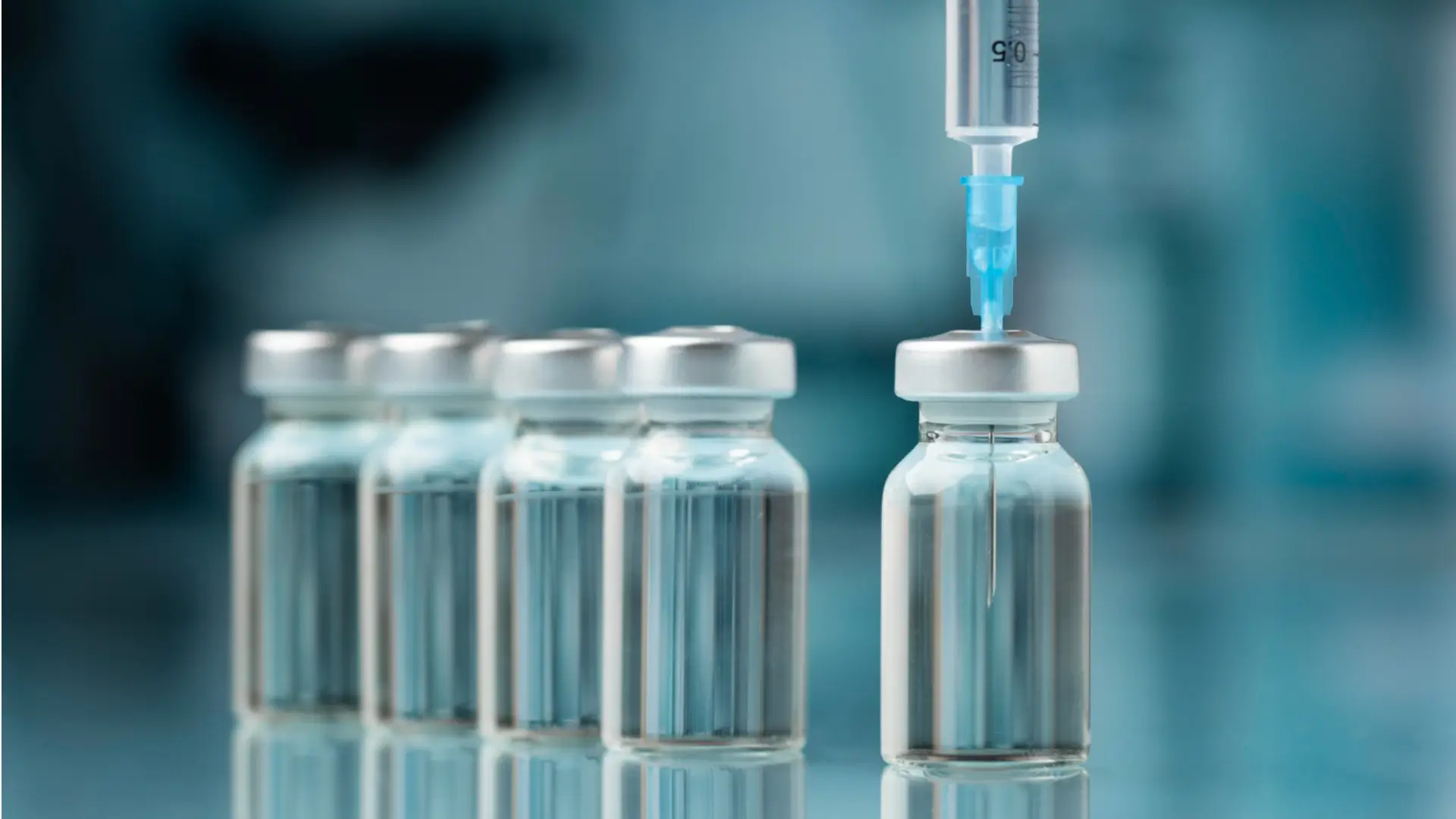
Ipamorelin is a selective growth hormone secretagogue that has attracted research interest for its ability to stimulate endogenous growth hormone (GH) release with minimal effects on other pituitary hormones. When asking what is ipamorelin used for, current evidence centers on laboratory investigations of GH-mediated pathways involved in lean muscle development, body composition, metabolic regulation, recovery, and sleep physiology rather than approved clinical applications.[1] Research into ipamorelin peptides continues to grow across these areas.
This article reviews how ipamorelin is used in research, with particular attention to its effects on growth hormone secretion, muscle development, fat metabolism, and recovery. It also compares ipamorelin with related compounds, including CJC-1295 and tesamorelin. Qualified professionals looking to buy Ipamorelin can contact Medica Depot’s support team for guidance on supplier standards and available supporting documentation.
Key Takeaways
- Ipamorelin selectively stimulates GH release with less influence on cortisol, prolactin, and ACTH than earlier GH secretagogues, making it useful for research into endocrine regulation.[1]
- Research has investigated ipamorelin’s role in lean muscle development, body composition, tissue recovery, and metabolic adaptation, though these findings remain largely preclinical.
- Tesamorelin and CJC-1295/ipamorelin combinations serve different purposes: tesamorelin is FDA-approved for HIV-associated excess visceral adipose tissue, while CJC-1295/ipamorelin combinations remain investigational.
About: Medica Depot is your trusted all-in-one supplier, offering a range of high-quality medical injectables and supplies. We offer a worry-free experience in searching for the best and most popular products on the market, like ipamorelin. Whether for health professionals, plastic surgeons, dermatologists, licensed estheticians, or other specialists, we can offer genuine, brand-name products you may need. With Medica Depot, we prioritize serving you better to improve the patient’s quality of life.
What Is Ipamorelin Used For in Research?
The primary use case for ipamorelin is to investigate how selective stimulation of endogenous GH secretion affects physiological processes in muscle, bone, adipose tissue, and recovery. Unlike earlier growth hormone-releasing peptides, ipamorelin activates the growth hormone secretagogue receptor (GHS-R1a) with high selectivity, producing robust GH pulses while causing comparatively little stimulation of ACTH, cortisol, or prolactin.[1]
Because GH regulates multiple anabolic and metabolic pathways, researchers use ipamorelin to examine downstream effects on lean body mass, lipolysis, skeletal remodeling, and tissue repair. The effects of ipamorelin extend well beyond GH secretion to encompass broader endocrine pathways involving insulin-like growth factor-1 (IGF-1), energy metabolism, and recovery.[3]
Research on ipamorelin is still limited to laboratory and experimental settings. While some early findings warrant further study, the compound is not approved for treating muscle loss, obesity, or age-related decline.
How Does Ipamorelin Support Lean Muscle Development?
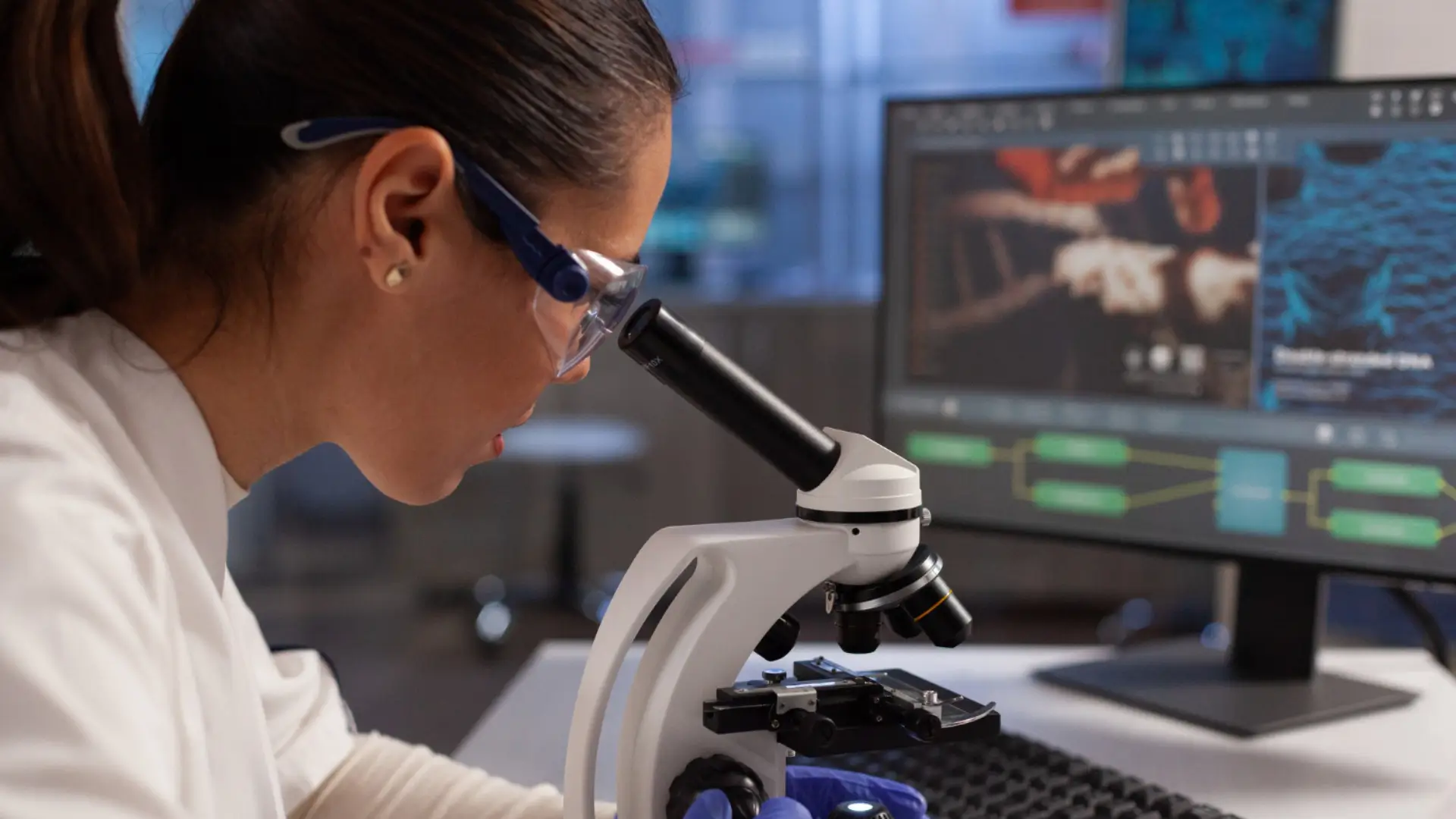
Lean muscle development is one of the more frequently studied areas of ipamorelin research. Because growth hormone supports protein synthesis and affects skeletal muscle metabolism, researchers use ipamorelin to explore how selective GH stimulation may influence muscle preservation during catabolic stress.[2]
In one animal study, ipamorelin partially offset glucocorticoid-related declines in muscle function and significantly increased periosteal bone formation compared with glucocorticoid treatment alone.[2] These results cannot be applied directly to humans, but they indicate that selective GH stimulation may affect musculoskeletal responses under physiologically stressful conditions.
Changes in lean body mass during GH stimulation may also reflect more than just muscle hypertrophy. Research suggests that protein metabolism, fluid balance, and connective tissue remodeling may all contribute to measured changes in body composition.[3] For this reason, investigators often assess strength, recovery, and other functional outcomes alongside body weight and lean mass.
In studies involving peptides for muscle growth, ipamorelin is often evaluated with other GH secretagogues to compare endocrine responses, anabolic signaling, and tissue adaptation. Its role remains that of a research tool for examining how physiological GH pulses affect musculoskeletal biology, rather than a performance-enhancing intervention.
Can Ipamorelin Help With Weight Loss? What Current Research Suggests
Because ipamorelin selectively enhances endogenous GH secretion, researchers use it to examine whether increased GH pulsatility alters body composition, fat distribution, or metabolic flexibility in experimental models. Studies of GH physiology show consistent effects on lipid metabolism, though improved fat loss has not been established specifically for ipamorelin through large randomized clinical trials.[3]
For researchers examining fitness and health, ipamorelin provides a way to study how endocrine regulation may shape body composition during caloric restriction, exercise adaptation, or catabolic illness. Any changes in adiposity are more likely to result from broader growth hormone–mediated metabolic effects than from a direct fat-burning action. Controlled human studies are still needed before firm clinical conclusions can be made.
What Does Ipamorelin Affect Beyond Muscle and Fat?
Beyond musculoskeletal and metabolic research, ipamorelin is also studied in the context of sleep architecture, tissue repair, and broader endocrine regulation. Endogenous GH secretion naturally peaks during slow-wave sleep, making selective GH secretagogues useful for investigating how altered GH pulsatility influences overnight recovery and anabolic signaling.[3]
Researchers have examined whether GH release triggered by ipamorelin is associated with markers linked to deeper sleep, collagen turnover, and connective tissue remodeling. The focus of this work is endocrine physiology, not the use of ipamorelin as a sleep treatment. Although improved recovery has been proposed as a possible downstream effect of increased GH secretion, the current evidence is not strong enough to confirm a direct clinical benefit.
GH also contributes to bone remodeling, protein metabolism, and tissue maintenance, which is why ipamorelin continues to serve as a useful experimental model for examining natural growth hormone production and its relationship with recovery following physiological stress.[2][3]
What Is CJC-1295/Ipamorelin Used For? The Stack Application
CJC-1295 is a modified GHRH analogue, whereas ipamorelin acts selectively on the GHS-R1a receptor. Because the two compounds stimulate growth hormone release through different pathways, researchers often study them together to determine whether dual-pathway activation produces stronger or more sustained GH pulsatility than either compound used alone.[6]
Within laboratory settings, these combinations are used to study changes in body composition, recovery biomarkers, and endocrine signaling. Researchers also evaluate whether sustained physiological GH pulses influence the preservation of lean tissue or metabolic adaptation under controlled experimental conditions. Protocols for combinations like the CJC-1295 and ipamorelin stack remain experimental and have not received regulatory approval for therapeutic use.[6]
What Is Tesamorelin/Ipamorelin Used For? A Brief Comparison
The distinction lies in regulatory status and intended application since Tesamorelin is a synthetic GHRH analogue approved by the FDA to reduce excess abdominal visceral adipose tissue in adults with HIV-associated lipodystrophy. Clinical trials have demonstrated significant reductions in visceral fat and waist circumference, with an acceptable safety profile in appropriately selected patients.[4][5]
As for Ipamorelin, it remains an investigational peptide used to study selective GH secretion and the downstream effects of GH-mediated signaling on skeletal muscle, metabolism, connective tissue, and recovery.[1][2]
Although both compounds influence the somatotropic axis, their research and clinical roles differ substantially. Tesamorelin has an established indication supported by randomized clinical trials; ipamorelin remains under evaluation as a research peptide without approved therapeutic indications.
Research Context and Considerations for Ipamorelin Use
Current evidence suggests that ipamorelin can selectively stimulate endogenous GH secretion with less activation of other pituitary hormones than earlier GH secretagogues.[1] This profile has made it a useful research compound for examining endocrine physiology, body composition, musculoskeletal adaptation, and metabolic regulation.
However, the evidence remains limited. Much of the available literature comes from animal models, mechanistic studies, and early-stage human research. Although these findings support further investigation, they do not establish ipamorelin as an approved treatment for muscle growth, weight management, recovery, or age-related concerns. To reduce potential confounding, researchers commonly consider factors such as baseline endocrine function, metabolic health, concurrent interventions, and study duration when developing protocols.
FAQs
1) What is Ipamorelin used for?
Ipamorelin is mainly used in laboratory research as a selective growth hormone secretagogue. Researchers study it to better understand GH release and its potential effects on body composition, muscle preservation, recovery, and metabolic regulation.[1]
2) Is Ipamorelin approved for medical use?
No. Ipamorelin remains an investigational research peptide and is not approved for treating weight loss, muscle gain, anti-aging, or other clinical conditions.[1]
3) How is Ipamorelin different from Tesamorelin?
Tesamorelin is FDA-approved for reducing excess visceral abdominal fat in adults with HIV-associated lipodystrophy. Ipamorelin, by comparison, remains an investigational compound used to study selective GH secretion and the physiological pathways associated with it.[4][5]
The contents of this page are meant for licensed medical professionals. They serve informational purposes only and are not to be taken as medical advice.
Citations
[1] Raun K, Hansen BS, Johansen NL, et al. Ipamorelin, the first selective growth hormone secretagogue. Eur J Endocrinol. 1998;139(5):552-561. doi:10.1530/eje.0.1390552
[2] Andersen NB, Malmlöf K, Johansen PB, Andreassen TT, Ørtoft G, Oxlund H. The growth hormone secretagogue ipamorelin counteracts glucocorticoid-induced decrease in bone formation of adult rats. Growth Horm IGF Res. 2001;11(5):266-272. https://pubmed.ncbi.nlm.nih.gov/11735244/
[3] Vijayakumar A, Yakar S, Leroith D. The intricate role of growth hormone in metabolism. Front Endocrinol (Lausanne). 2011;2:32. Published 2011 Sep 27. https://pubmed.ncbi.nlm.nih.gov/22654802/
[4] Spooner LM, Olin JL. Tesamorelin: a growth hormone-releasing factor analogue for HIV-associated lipodystrophy. Ann Pharmacother. 2012;46(2):240-247. doi:10.1345/aph.1Q629
[5] US Food and Drug Administration. EGRIFTA® (tesamorelin for injection): prescribing information. https://www.accessdata.fda.gov/drugsatfda_docs/label/2019/022505Orig1s010lbl.pdf
[6] Ishida J, Saitoh M, Ebner N, Springer J, Anker SD, Von Haehling S. Growth hormone secretagogues: history, mechanism of action, and clinical development. JCSM Rapid Communications. 2020;3(1):25-37. doi:10.1002/rco2.9
This content was prepared and reviewed under our editorial guidelines , which govern how we source, verify, and update clinical and product information. Every claim is checked against peer-reviewed research, manufacturer documentation, or regulatory guidance before publication.